
Noise Monitoring

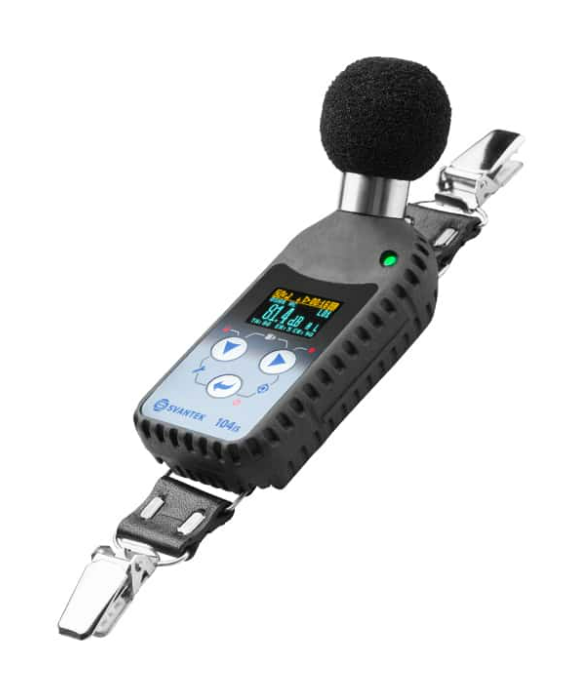
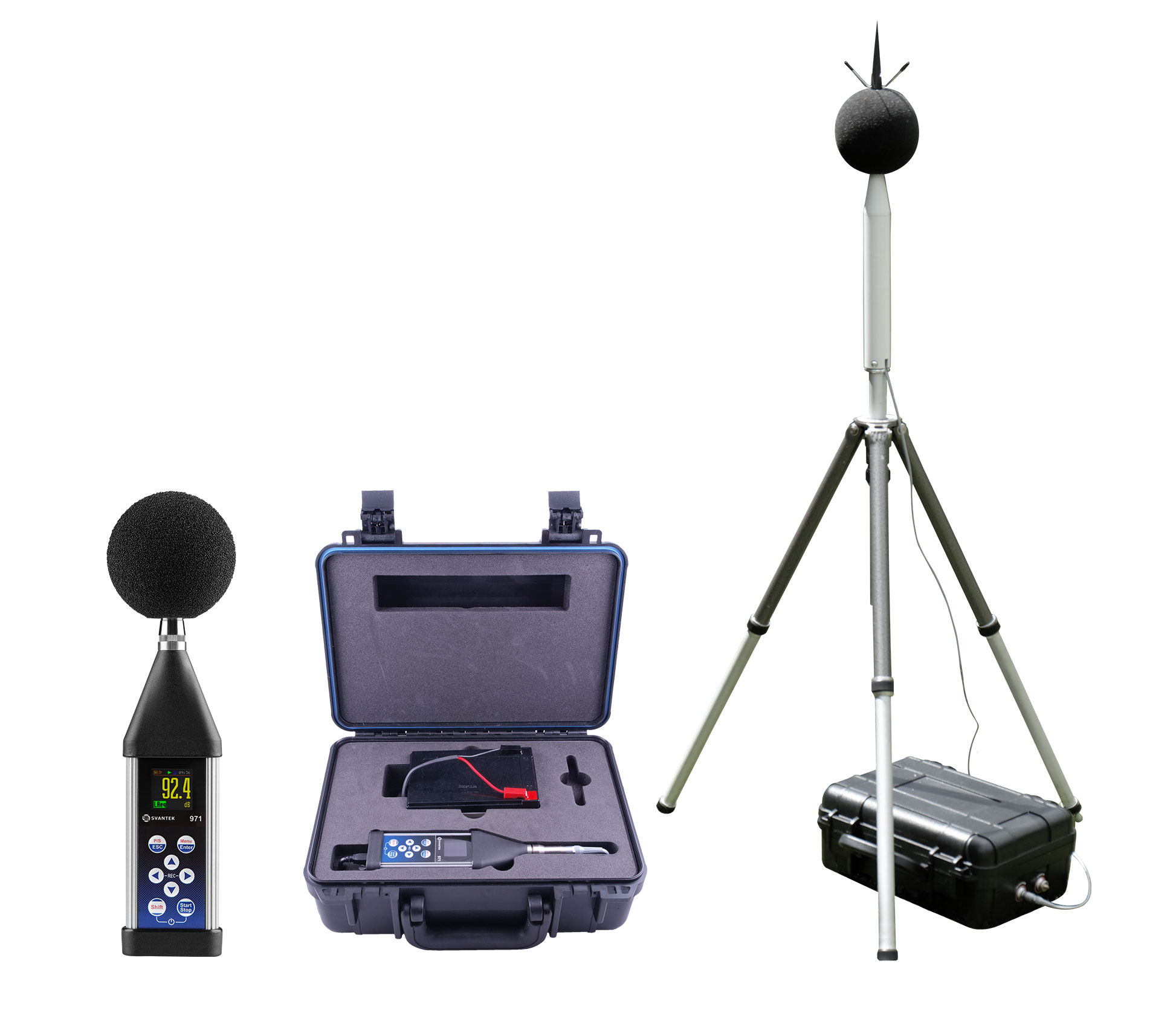
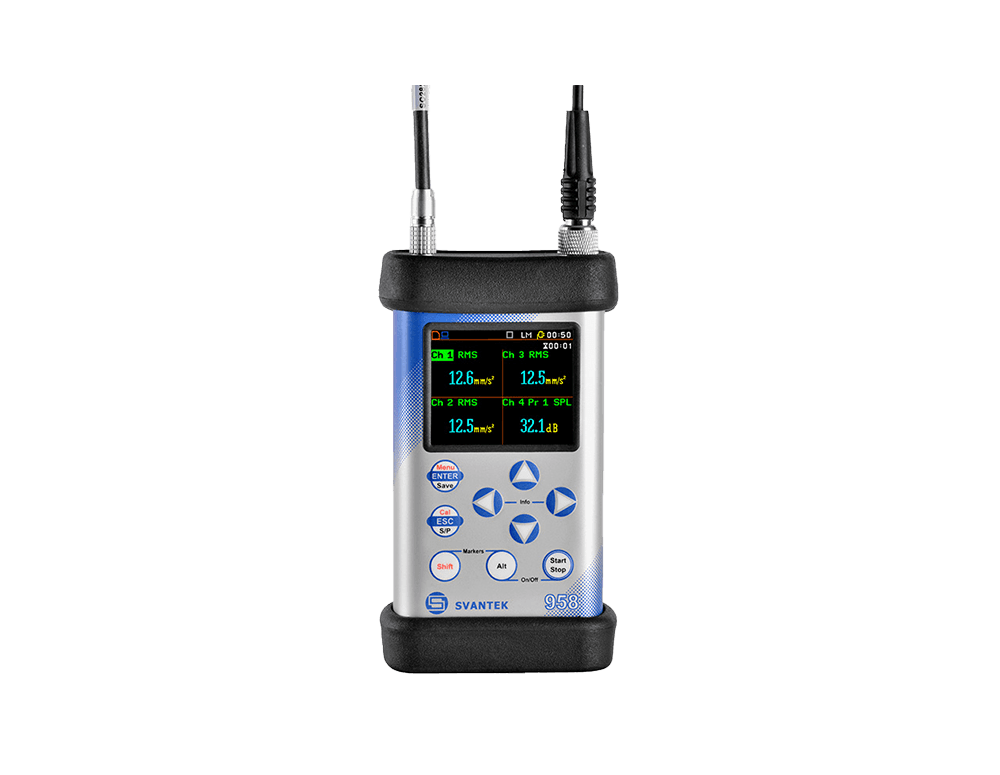
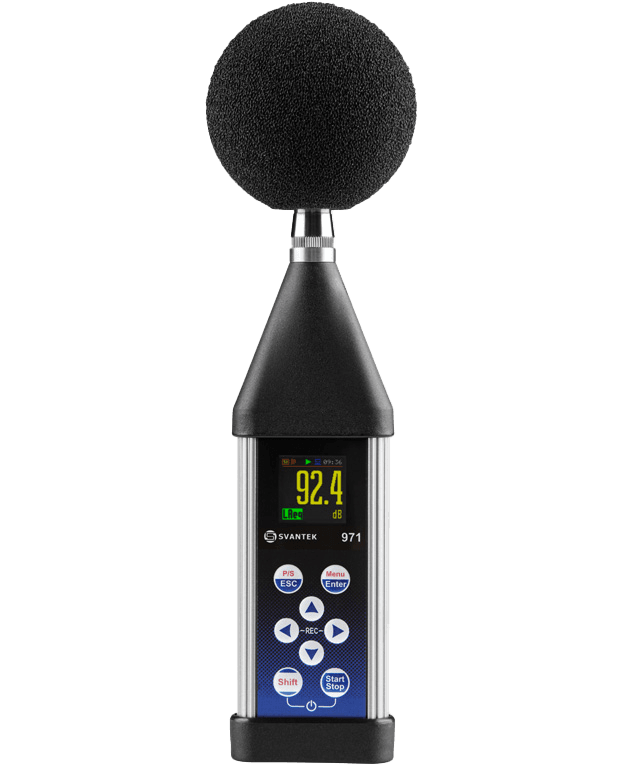
Class 1 and Class 2 noise monitoring solutions for environmental and personal noise.

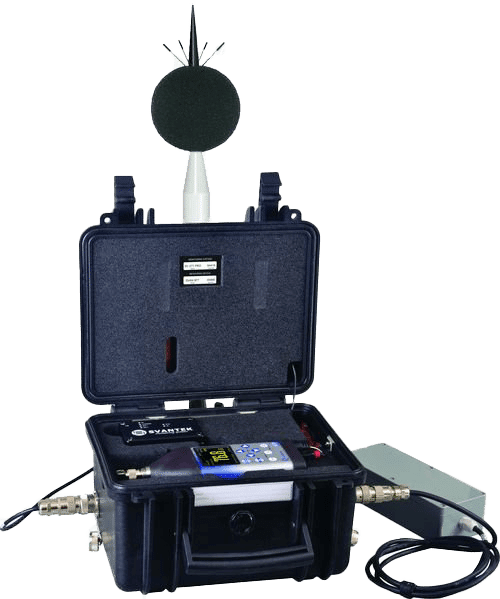
There are two main types of noise monitoring: workplace monitoring and environmental noise monitoring, each depending on the location of the sound source. Environmental noise monitoring is one of the most common kinds of environmental monitoring and is most often carried out using a monitoring system.

Noise monitoring should occur whenever there is a risk of exceeding these noise levels limits. As a result of studies on noise and health connections, as well as policy-making procedures in various countries, governments have established national limit values and regulations for environmental noise.
  • The two main types of noise monitoring are workplace noise monitoring and environmental noise monitoring.
  • Environmental noise monitoring is commonly used to measure sound levels using fixed or portable monitoring systems.
  • National noise level limits and regulations are set by governments to manage environmental noise and protect public health.

Knowledge Hub

In situ Acoustic Testing: Smarter Noise Control & Analysis in the Field

May 12, 2026

On Thursday 4th June at 11am, we’ll be hosting a live webinar with Jared Schmal from Microflown Technologies as the key speaker who will explore how in situ acoustic testing is changing how engineers tackle noise in real-world environments. From product development to field troubleshooting, understanding noise and where it…

read article

A Breakdown of Our Vibration Monitoring Packs

May 8, 2026

When you’re planning a noise monitoring deployment, battery life, site access, and project duration all play a direct role in cost, risk, and practicality. That’s exactly why we’ve created our new vibration monitoring packs, giving you 3 levels of equipment and accessories, all in 3 easy to digest levels. The…

read article

Scan&Paint 2D vs Scan&Paint 3D

April 28, 2026

Acoustic troubleshooting and sound source localisation provide insights that traditional measurement techniques can struggle to deliver. This is why tools like Scan&Paint 2D and Scan&Paint 3D are becoming so popular in the engineering field. These tools allow engineers to transform acoustic data into clear visual sound maps, making it easier…

read article

A Deep Dive into Scan&Paint 2D

April 15, 2026

NVH Engineers face acoustic challenges every day. This could be troubleshooting noise, optimising products or improving soundproofing. Identifying the true source of unwanted sound is rarely straightforward. Traditional acoustic measurements can tell you how loud something is, but they often struggle to clearly show where the noise is coming from.…

read article