







Advancing Environmental Compliance with SV 307A
The Significance of PTB Type Approval for MEMS Technology
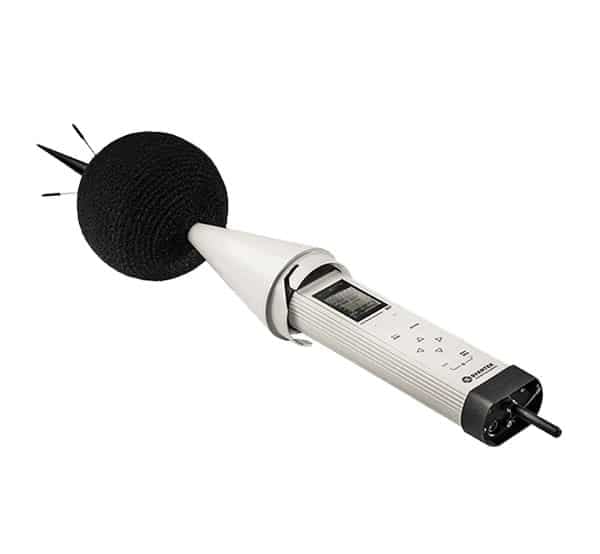
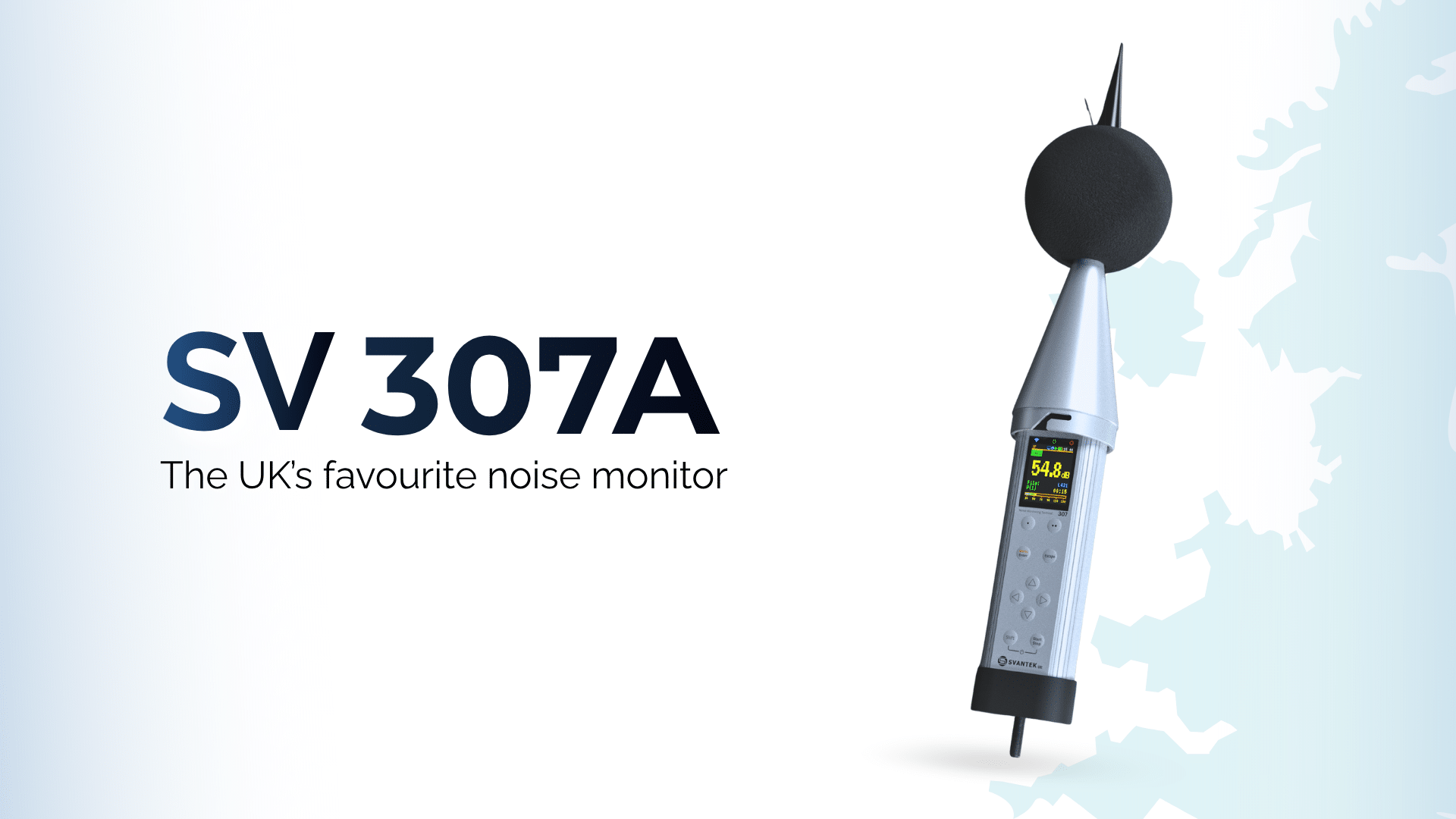
The SV 307A represents a landmark in acoustic engineering as the first noise monitoring station with a MEMS microphone to receive PTB Type Approval. For environmental consultants and local authorities, this certification provides the ultimate assurance of data legal defensibility.
- Class 1 Precision: Meets strict IEC 61672 standards, ensuring accuracy across the full 20 Hz to 20 kHz frequency range.
- Lifetime Reliability: The patented MEMS technology is immune to the typical sensitivity drift found in traditional condenser microphones, backed by a lifetime warranty on the sensor element.
- Integrated Self-Check: An inbuilt reference sound source (100 dB at 1 kHz) allows for automated remote system checks, ensuring the station is calibrated and operational without requiring a site visit.

Integrated Environmental Intelligence: Noise, Dust, and Weather
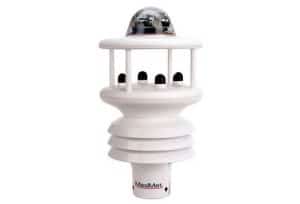
Modern planning conditions often require more than just decibel readings. The SV 307A acts as a central hub for multimodal environmental monitoring. By integrating weather and dust sensors, you can correlate noise spikes with environmental variables:
- Wind Speed & Direction: Automatically filter out “false positives” caused by high wind speeds hitting the microphone.
- Construction Compliance: Monitor PM2.5 and PM10 dust particles alongside Peak Particle Velocity (PPV) vibration and noise levels in a single, unified data stream.
- Advanced Alarms: Set intelligent triggers. For example, receive an alert only when noise levels exceed a threshold and the wind is blowing towards a sensitive residential receptor.

Resilience in Harsh Environments
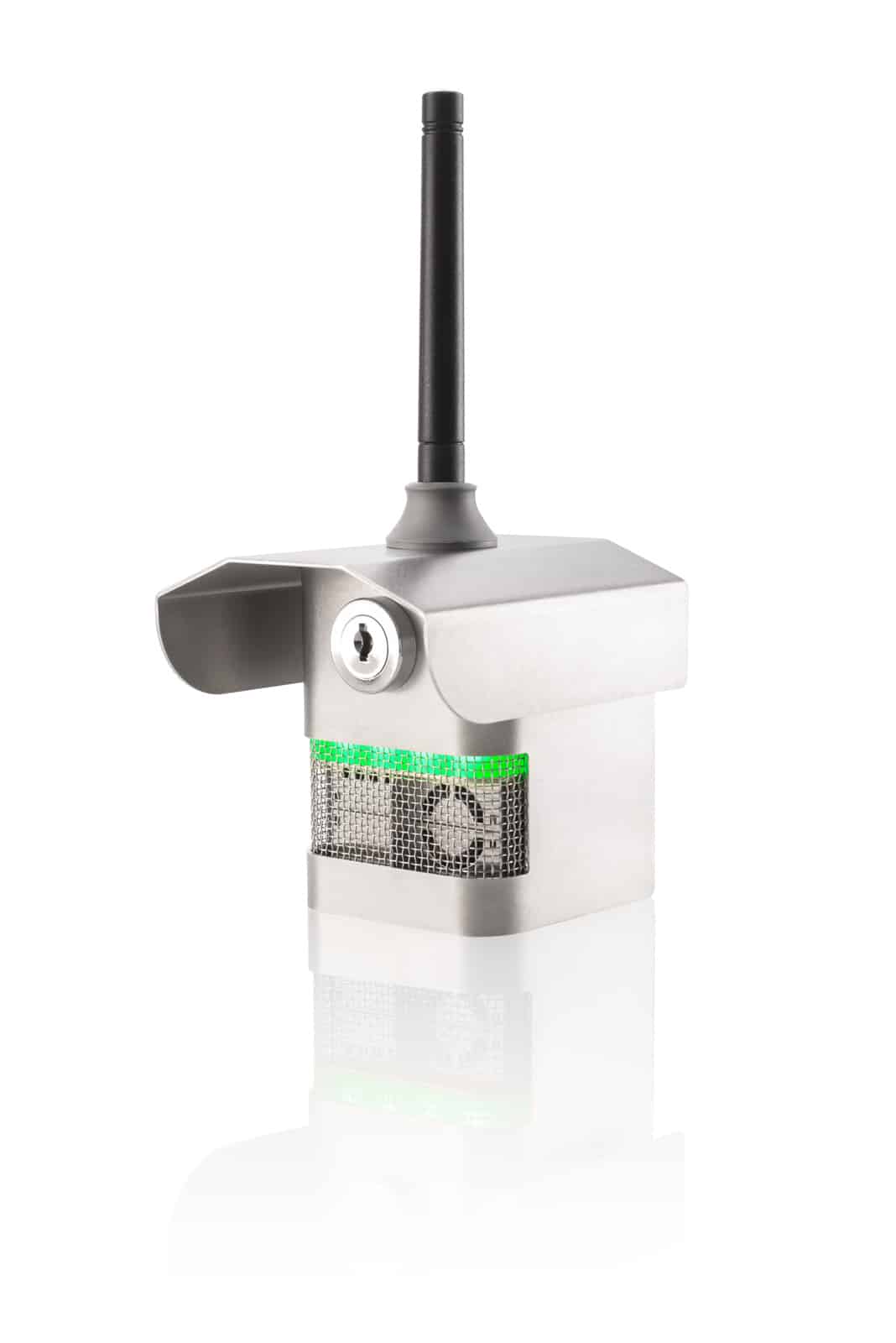
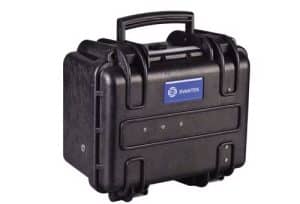
Designed for permanent outdoor installation, the SV 307A features a reinforced housing with an IP64 ingress protection rating. It is engineered to operate in extreme temperatures (-20°C to +50°C), with internal heating and cooling logic to protect the Class 1 electronics. Whether it is a coastal construction site or a high-traffic urban corridor, the SV 307A provides continuous, unattended “uptime” that traditional hand-held meters cannot match.
Remote Data Management with SvanNET
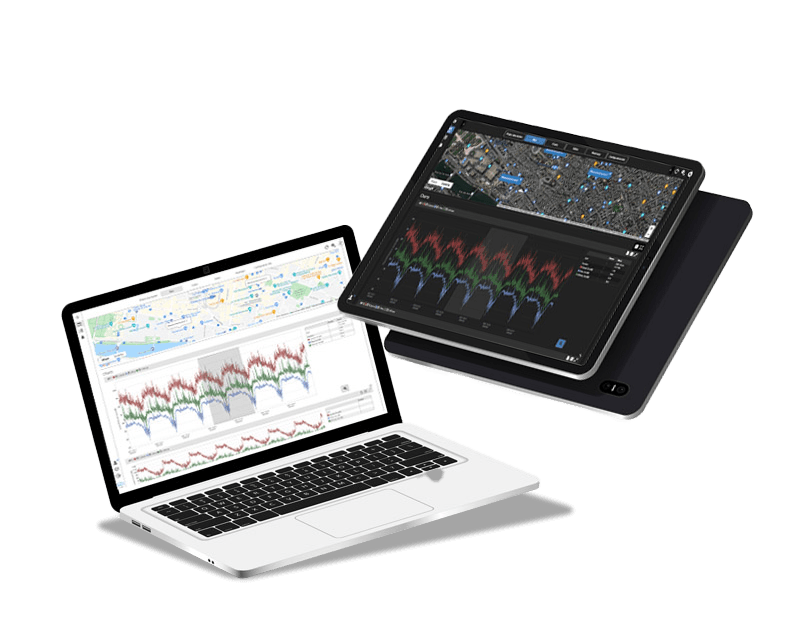
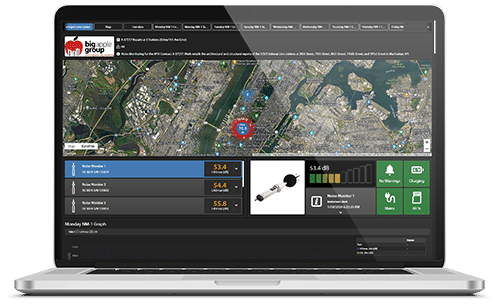
The complexity of long-term monitoring is managed through the SvanNET Remote Communication Service. This cloud-based ecosystem transforms raw data into actionable insights:
- Live Audio Streaming: Listen to the “live” environment remotely to identify the character of a noise (e.g., distinguishing between a barking dog and industrial machinery) without leaving the office.
- Automated Reporting: Generate daily, weekly, or monthly compliance reports that meet local authority requirements automatically.
- Data Security: Using 4G connectivity and secure GPS time-synchronization, all data is stamped with precise location and time metadata, essential for forensic noise analysis.

Frequently Asked Questions
What is the advantage of a MEMS microphone for outdoor noise monitoring?
MEMS (Micro-Electro-Mechanical Systems) microphones offer superior long-term stability and environmental resilience compared to traditional ceramic or pre-polarized microphones. They are less susceptible to humidity and temperature fluctuations, ensuring your Class 1 measurements remain consistent over years of outdoor exposure.
Can the SV 307A trigger audio recordings based on noise levels?
Yes. The system supports advanced audio triggering. You can configure the station to record .wav files when specific dB thresholds are breached or at set time intervals. This allows for easy source identification during post-processing.
How is the system powered for long-term projects?
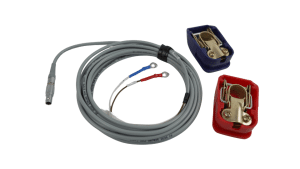
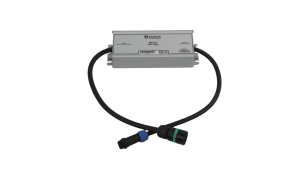
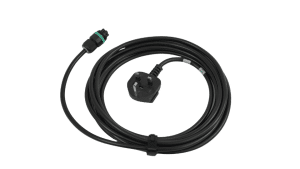
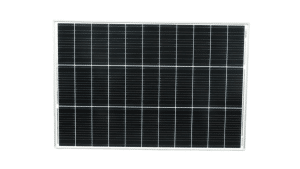
The SV 307A includes an internal Li-Ion battery providing up to 5 days of operation with the 4G modem active. For permanent installations, it can be powered via a mains AC supply (IP67 rated) or integrated with a solar panel for complete off-grid autonomy.
Is the data accessible via API for third-party software?
Yes, via the SvanNET service, data can be integrated into external platforms, making it ideal for Smart City initiatives or proprietary environmental dashboards.