Home Products Air Quality

Air Quality

In the workplace it is important to monitor the air quality in situations where workers may be exposed to various elements such as dust that could prove harmful.

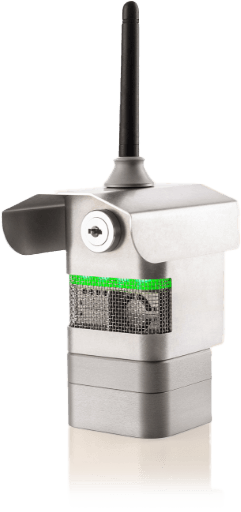
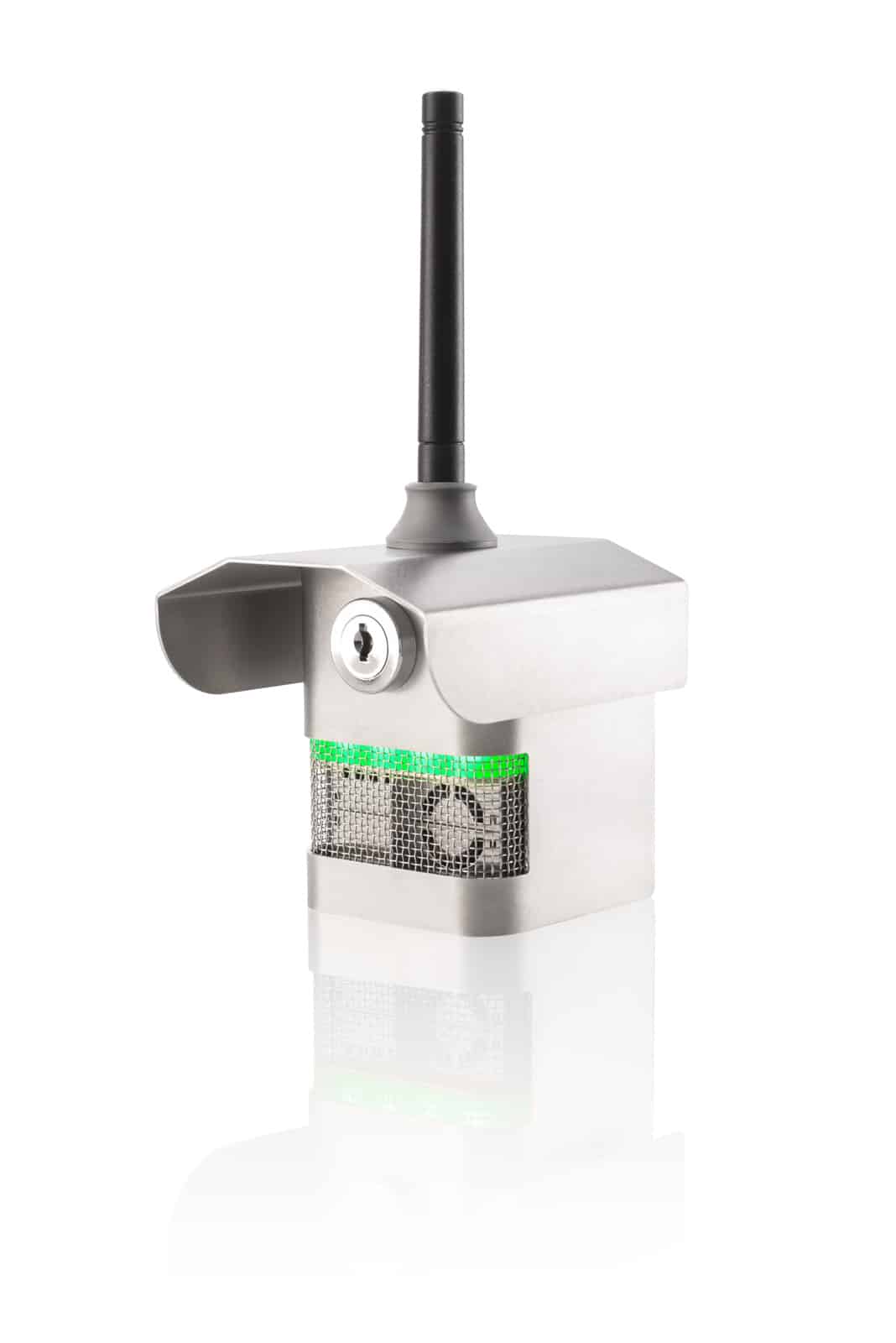
In our range are MCERTS certified particulate monitoring equipment which automatically measures real-time airborne PM10, PM2.5 or TSP particulate concentration levels. Ideal for a range of applications including, construction and demolition sites.

Also popular is the Gilian range from Sensidyne, well known for the same quality that industrial hygienists and occupational health professionals trust. The range includes personal and area pumps for the evaluation of worker exposure to airborne hazards.

  • Measure pollutants like NO₂ and PM₂.₅ to assess environmental and health impacts in real time
  • Flexible monitoring solutions for urban areas, construction sites, research and local authorities
  • Choose from portable sensors to full-scale systems with cloud reporting and long-term tracking

Environmental Air Quality Monitoring

Industrial air quality monitoring equipment for accurate particle measurements in outdoor environments.

Exploring Air Quality Monitoring

Monitoring air quality plays a vital role in understanding the environments we live and work in. From the city streets to construction sites, having accurate data on pollutants and particulates helps inform decisions about health, planning and environmental management.

Why Air Quality Monitoring Matters

Poor air quality can have serious health and environmental effects. Measuring air quality helps identify pollutant sources, monitor compliance with regulations, and guide interventions that protect the public’s health. It’s particularly important in urban areas, near transport hubs, and in sectors like construction and manufacturing where emissions can be higher than average. Air pollution has now outpaced smoking and high blood pressure as the number 1 global health risk (WHO).

What’s Involved in Monitoring the Air Quality?

Air quality monitoring is the process of measuring the concentrations of pollutants like nitrogen dioxide (NO₂), particulate matter (PM₂.₅ & PM₁₀), and other airborne substances. This can be done in real time or over longer periods using both fixed and portable systems. The type of air quality monitoring device used will depend on the application and environment.

Tools & Technologies Most Commonly Used

There are many types of equipment used to gather important air quality data. A typical air quality monitor might use sensors to measure particulate levels, gas concentrations, humidity and temperatures. These kinds of devices can range from outdoor air quality meters to personal wearable monitors. For larger or more long-term studies, outdoor quality monitors and air quality monitoring systems are commonly used across the UK.

We supply a broad range of air quality measurement devices; many of them are used in academic studies, by local authorities, in environmental impact assessments and in industrial site management projects. These include both portable units and permanent systems for the more long-term use cases.

Applications Across Sectors

Air quality monitoring is relevant to a broad range of users. Local councils may use it to assess something like the pollution levels around schools or areas that experience a lot of congestion. Construction sites might rely on air quality sensors to monitor the dust and emissions from machinery.

Options range from simple air quality meters to full monitoring networks with cloud connectivity and real-time reporting features.

View our full air quality monitoring equipment range.
Environmental

Noise, Vibration and Dust are all around us, whether from a construction site, airport or windfarm. Our professional systems make monitoring simple.

Construction

Accurate noise, vibration and dust monitoring right from the planning stages through build completion.

Health & Safety

From the Noise at Work Act to the Physical Agents Directive (Vibration) we have instrumentation to ensure you stay within the law.

Knowledge Hub

Svantek UK are Back at London Build 2025

October 28, 2025

We will be at London Build 2025 We’re excited to be back at London Build 2025, showcasing our latest range of Noise, Vibration, and Air Quality monitoring solutions. Our equipment, designed for consultancies, construction and more, is fully compliant, ensuring your peace of mind when setting your equipment on site.…

read article

Where Can You Use the NoisePAD?

October 20, 2025

When it comes to analysing noise and vibration on site, we know that you’re constantly on the move. That’s why you need portability, and durability. And few instruments pack as much capability into such a compact form as the NoisePAD™ from SINUS. At less than a kilogram in weight, this…

read article

Take Acoustic Imaging Into Explosive Zones

October 20, 2025

The CRY8125 is an ATEX acoustic camera. It’s fully IECEx and ATEX certified, which means it’s safe to use in environments with explosive gas or dust. That single upgrade takes this camera into oil and gas, petrochemical, and power generation industries where safety certification is a legal requirement. What Is…

read article

Why Type Approved Certification Matters

October 13, 2025

When you’re choosing a noise monitoring system, you want to have trust in that kit and you need to know the data that you are collecting is accurate, reliable and defensible. Sometimes behind the impressive branding and technical specs, the calibration certificate that comes with the instrument doesn’t really tell…

read article