

R&D and Production
Looking for Monitoring Equipment for your Research & Development? Centralising data collation and analysis across multiple production sites is also possible as expectation of remote access to acquisition systems becomes the norm. Networking, and automation of data synchronisation in the cloud, for live monitoring and alerting, therefore, is another feature of current acquisition systems – another aspect to consider when choosing the most appropriate solution in R&D.
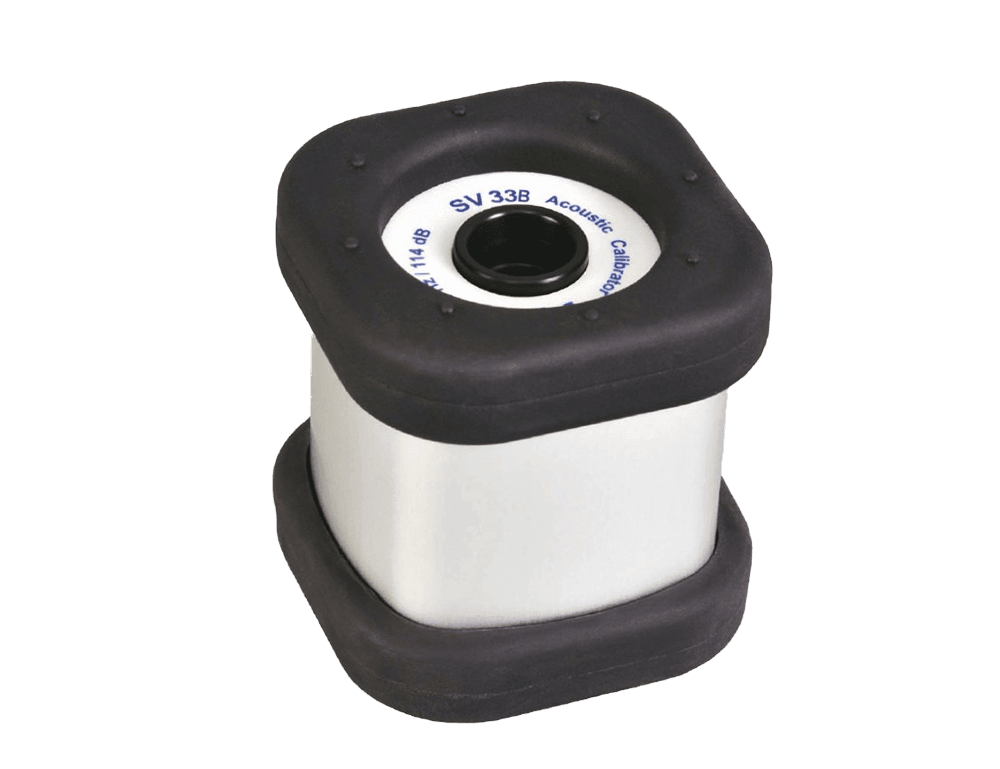
SV 33B Acoustic Calibrator
SV 33B Class 1 Acoustic Calibrator produces an acoustic pressure of defined level 114 dB at frequency of 1 kHz. The SV 33B is suitable…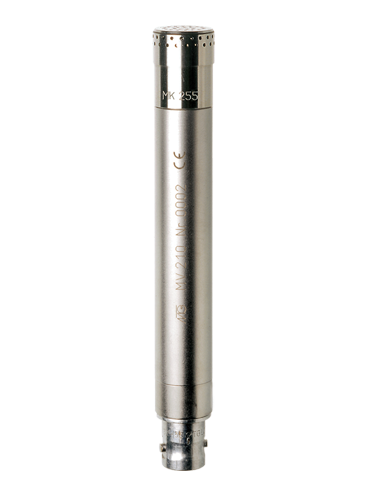
Measurement Microphone MM 215
The 1/2 ”measuring microphone MM 215 opens up the possibility of using high quality, pre-polarized measuring microphone capsule MK 255 on measuring systems with IEPE…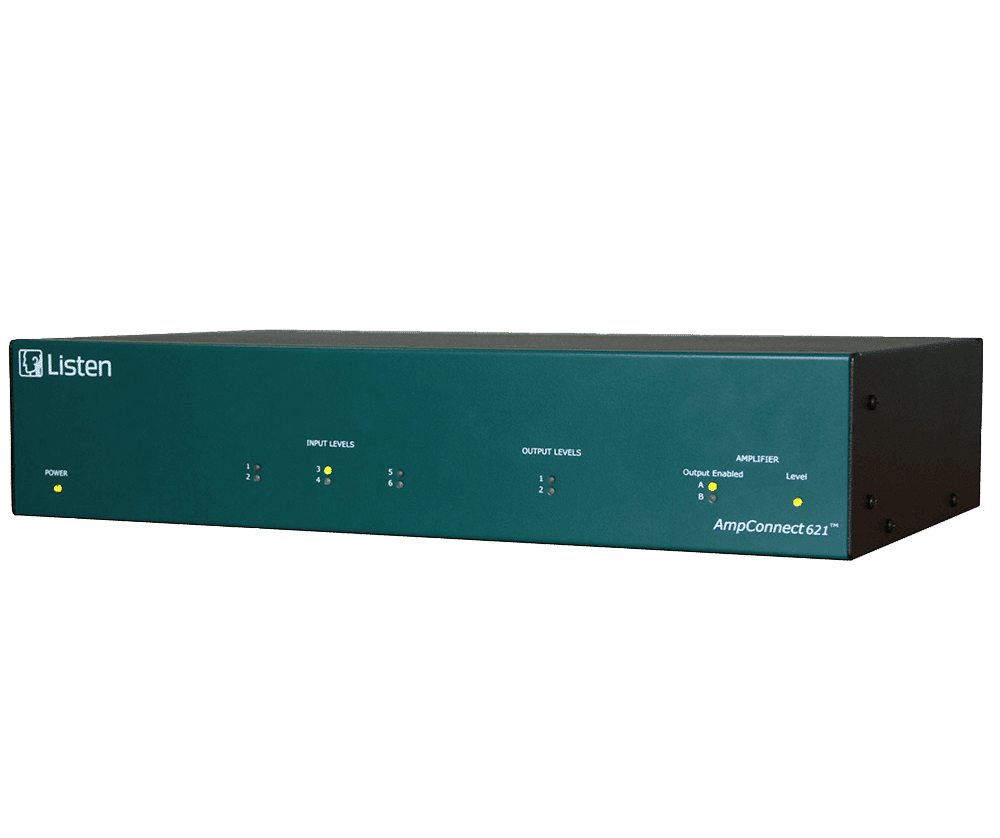
AmpConnect 621
AmpConnect 621 simplifies your multichannel audio test with 6 inputs, 2 line outputs and one amplifier output, along with microphone power, full TEDS support, impedance…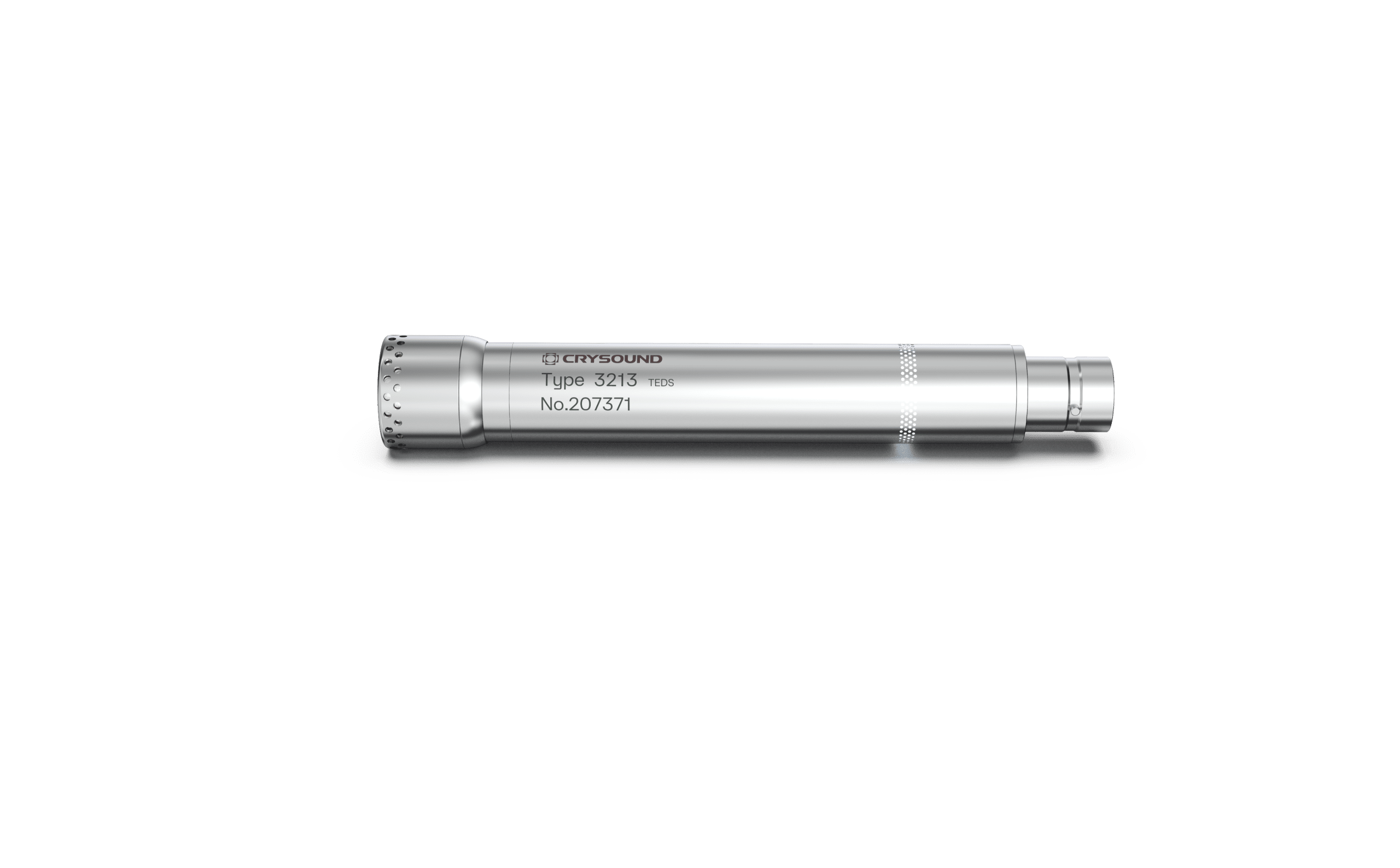
CRY3213 Ruggedised Measurement Microphone Set
The CRY3213 Measurement Microphone Set is a high-precision free-field microphone engineered for demanding NVH, environmental, and aerospace testing where accuracy, stability, and durability are critical.…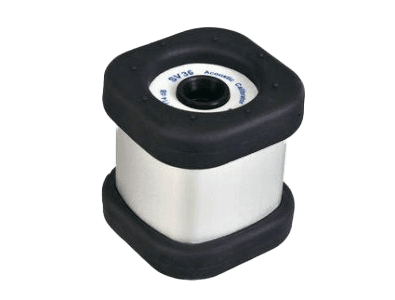
SV 36 Acoustic Calibrator
The SV 36 acoustic calibrator is a small, portable dual-range Class 1 device (sound source). Powered by two LR03/AAA batteries, it contains a loudspeaker producing…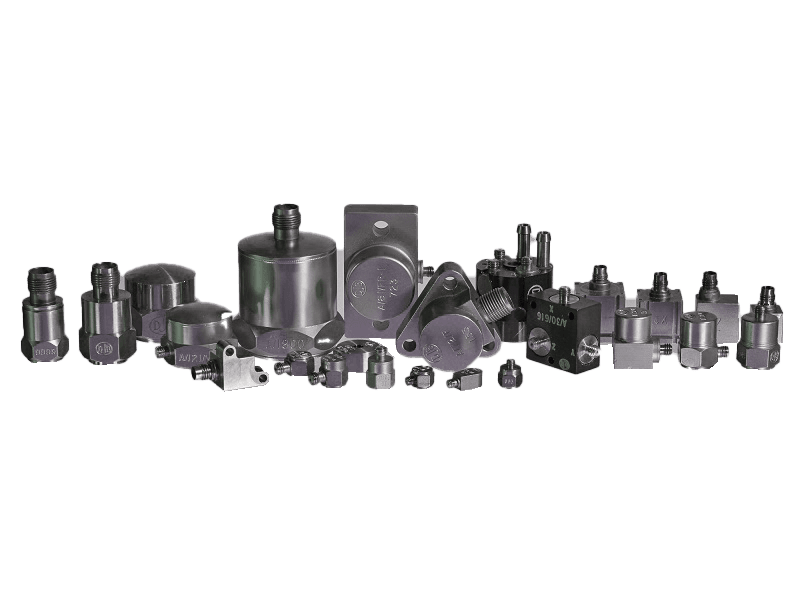
Accelerometers
We are able to offer a wide range of accelerometers to complete your system from leading suppliers including Dytran, DJB, Meggitt and PCB.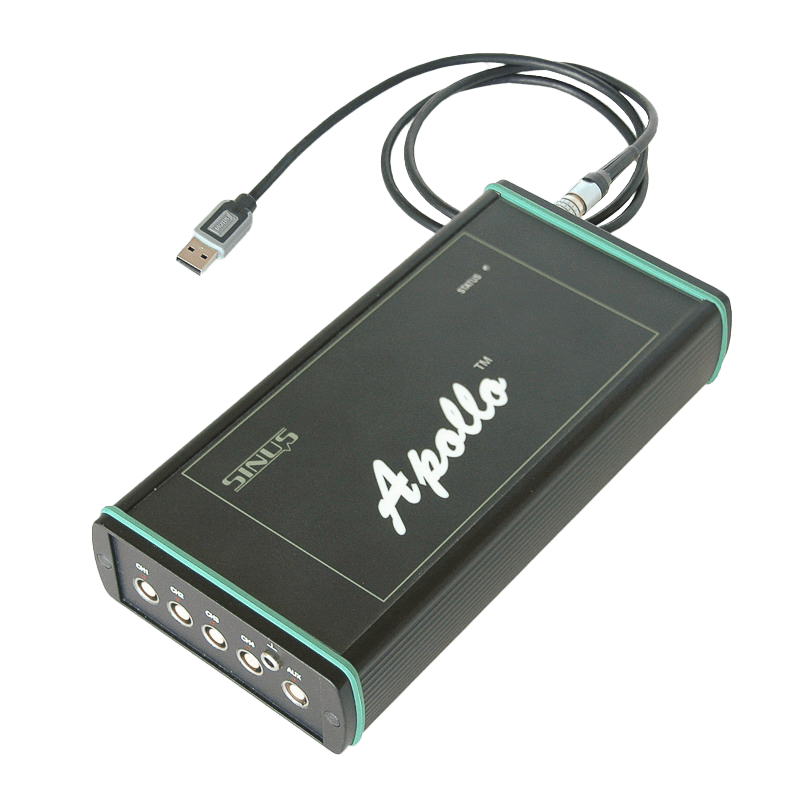
Apollo
The Apollo from Sinus is a flexible 2 or 4 channel data acquisition box, connecting to your PC using a USB connection. This small and…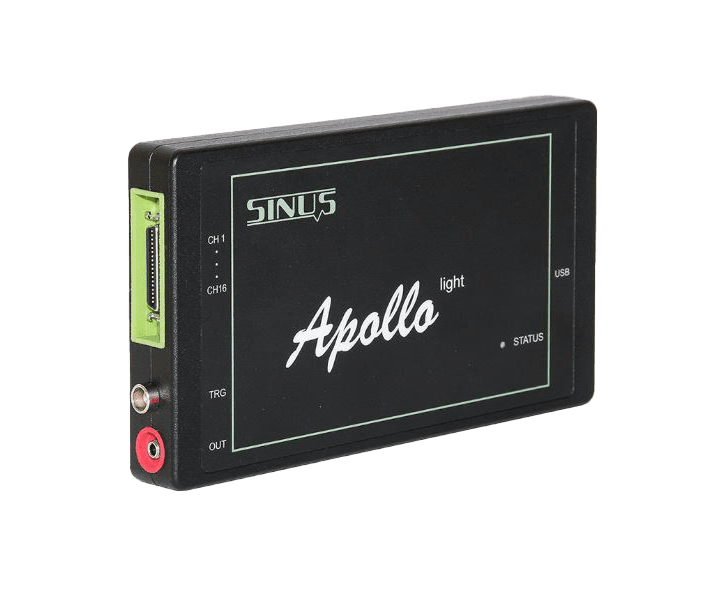
Apollo Light
The Apollo Light is the light version of Sinus' versatile Apollo black box. It is handy and robust with a USB interface. The Apollo Light…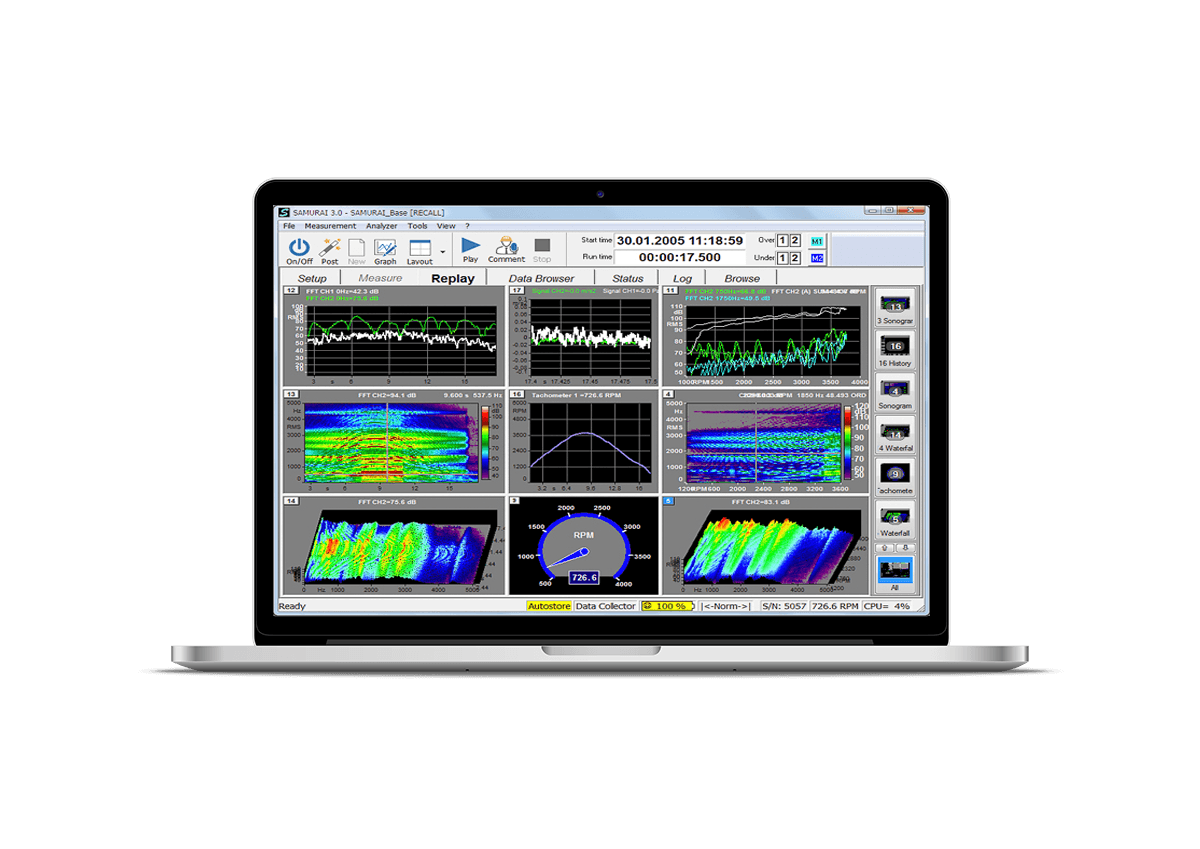
SAMURAI
SAMURAI is a universal software package from Sinus for sound and vibration measurements as well as real-time analysis with their measurement systems.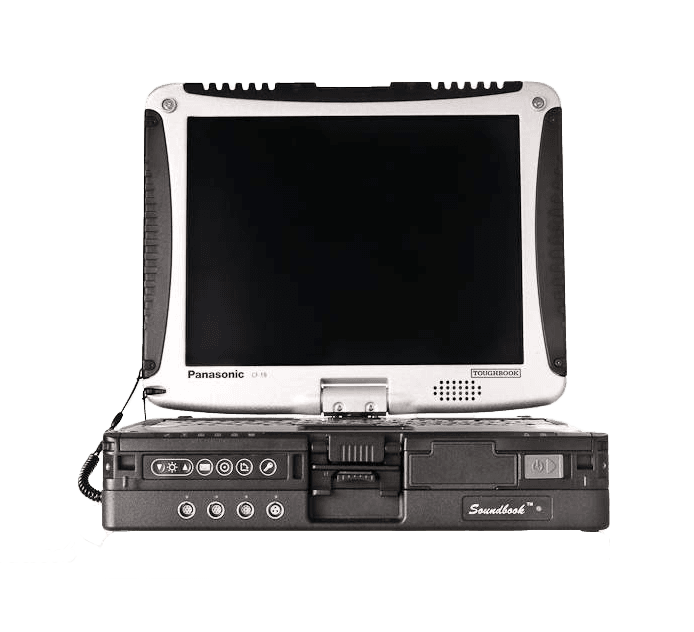
Soundbook MK2
Soundbook_MK2 is the second generation of Sinus' universal measurement system for sound and vibration measurements as well as general engineering measurements. It is based on…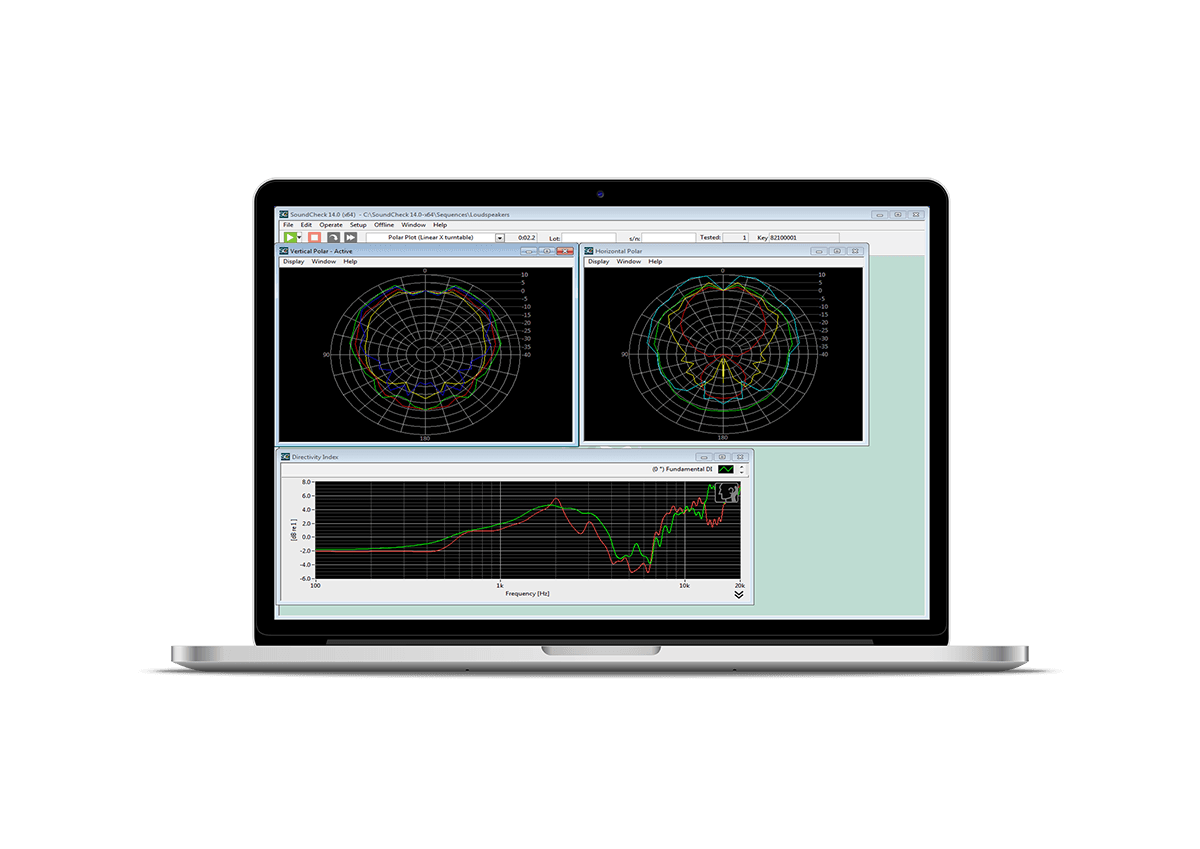
Measurement and Data Acquisition Systems for R&D and Production
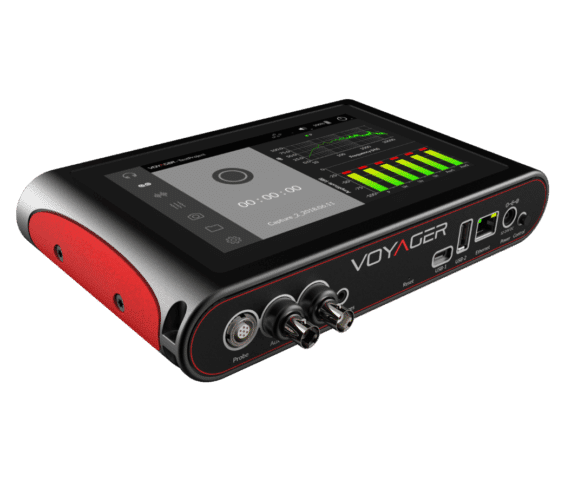
Research, development and production teams rely on accurate measurement data to understand product behaviour, validate designs and identify potential issues before they reach the next stage of development.
AcSoft provides a wide range of measurement equipment for R&D and production environments, including multichannel data acquisition systems, microphones, accelerometers, acoustic calibrators and analysis software.
From initial prototype testing through to production validation and quality control, these systems help engineers capture, analyse and compare sound, vibration and other measurement data throughout the product development process.
Data Acquisition for Research and Development
Modern R&D testing often requires multiple measurement channels to be captured and analysed simultaneously. Multichannel data acquisition systems allow engineers to bring signals from microphones, accelerometers and other sensors together within a single measurement environment.
Depending on the application, these systems can support:
- Sound and vibration measurement
- Multichannel data acquisition
- Noise and vibration analysis
- Prototype testing
- Structural vibration measurement
- Frequency and spectral analysis
- Production testing
Centralising measurement data can make it easier to compare different operating conditions, evaluate design changes and identify relationships between multiple measurement points.
Sound and Vibration Measurement for Product Development
Noise and vibration can provide valuable information about how a product or component is performing.
During product development, acoustic and vibration measurements can help engineers investigate unwanted noise, resonances, structural behaviour and other characteristics that may affect product performance or user experience.
Measurement systems can be used throughout the development process to compare prototypes, assess modifications and verify whether changes have delivered the expected result.
This can help R&D teams:
- Identify sources of unwanted noise and vibration
- Compare different prototypes or configurations
- Evaluate component and material changes
- Investigate structural behaviour
- Support troubleshooting and fault diagnosis
- Validate product performance
- Create repeatable measurement procedures
Using objective measurement data alongside engineering analysis provides a clearer basis for design decisions and can reduce reliance on subjective assessment alone.
Multichannel Measurement and Analysis
Many R&D applications require more than a single measurement point. Multichannel acquisition allows data to be collected from several sensors simultaneously, helping engineers understand how noise or vibration behaves across a product, component or test setup.
AcSoft supplies measurement systems ranging from compact portable acquisition hardware through to more comprehensive multichannel analysis solutions.
Systems can be configured with suitable microphones, accelerometers and other transducers depending on the signals being investigated.
This flexibility makes multichannel data acquisition suitable for laboratory testing, engineering development, troubleshooting and production environments where several measurement parameters need to be evaluated together.
Measurement Microphones and Accelerometers
The quality of a measurement system depends on more than the data acquisition hardware. Selecting the correct transducers is equally important when building a system for research and development.
Measurement microphones can be used for accurate acoustic testing, while accelerometers provide vibration measurements directly from structures, components and machinery.
AcSoft offers a range of measurement microphones and accelerometers suitable for different engineering applications.
These sensors can form part of complete measurement chains for:
- Acoustic testing
- Noise measurement
- Vibration analysis
- NVH testing
- Machinery and component testing
- Structural measurements
- Research and laboratory applications
Choosing appropriate sensors for the expected frequency range, measurement level and operating environment helps ensure useful, repeatable data throughout testing.
Real-Time Analysis for Faster Engineering Decisions
Capturing measurement data is only part of the process. Engineers also need to interpret results efficiently.
Real-time analysis allows sound and vibration behaviour to be assessed while a test is taking place, helping teams identify areas that require further investigation without waiting for extensive post-processing.
Depending on the measurement system and software configuration, engineers can analyse frequency content and other measurement parameters while simultaneously recording data for later review.
This can help shorten the feedback loop between testing and development. Engineers can make a modification, repeat the measurement and compare the results, providing objective evidence of whether the change has improved performance.
From Prototype Testing to Production Validation
Measurement requirements often continue beyond the initial R&D stage.
Once a product or component moves towards production, established measurement procedures can provide a consistent way to verify performance and identify unexpected variation.
The same underlying measurement principles used during development can therefore support:
- Prototype evaluation
- Design verification
- Pre-production testing
- Benchmarking
- Production validation
- Troubleshooting
- Quality control
Developing repeatable measurement processes during R&D can make it easier to transfer engineering knowledge into later production and testing activities.
Remote Monitoring and Centralised Data Collection
Engineering and production operations are increasingly distributed across multiple laboratories, facilities and production sites.
Modern acquisition systems can support networking and remote access, allowing measurement information to be collected and reviewed without engineers needing to remain physically beside each system.
Centralised data collection can be particularly useful where multiple test systems or production locations need to follow consistent measurement procedures.
For organisations operating across several locations, this can make it easier to manage measurement programmes while maintaining visibility of testing and production data.
Measurement Software for Sound and Vibration Analysis
Measurement software provides the link between data acquisition hardware and engineering analysis.
AcSoft supplies software solutions designed for sound and vibration measurement, real-time analysis and post-processing. Systems such as SAMURAI can be used alongside compatible measurement hardware to create an integrated workflow for acquiring and analysing engineering data.
A combined hardware and software approach allows engineers to configure measurements, view results and carry out further analysis within a consistent environment.
Calibration and Measurement Confidence
Reliable engineering decisions depend on reliable measurements.
Acoustic calibrators provide a known reference level that can be used to check sound measurement equipment before or after testing. Regular calibration helps ensure that measurement systems continue to provide dependable results.
AcSoft supplies Class 1 acoustic calibrators alongside microphones, accelerometers, acquisition hardware and analysis software, allowing complete measurement systems to be configured for professional R&D applications.
AcSoft also provides calibration services for sound, vibration and associated measurement equipment, helping organisations maintain confidence in instruments used across development and production environments.
Building the Right Measurement System
There is no single measurement configuration suitable for every research and development application.
The appropriate solution depends on what needs to be measured, the number of measurement channels required, the sensors being used and how the resulting data needs to be analysed.
Factors to consider when specifying an R&D measurement system include:
- Number of measurement channels
- Acoustic or vibration measurement requirements
- Required microphones, accelerometers and other sensors
- Frequency range
- Portability
- Real-time analysis requirements
- Data storage and post-processing
- Remote access
- Integration with existing test environments
- Future expansion requirements
Considering the complete measurement chain helps ensure that individual components work together effectively and that the system can continue to meet testing requirements as projects develop.
Why Choose AcSoft for R&D and Production Measurement?
AcSoft supplies measurement hardware, sensors and software for a wide range of professional engineering applications.
Our product range includes:
- Multichannel data acquisition systems
- Sound and vibration analysers
- Measurement microphones
- Accelerometers
- Acoustic calibrators
- Sound and vibration analysis software
- Portable measurement systems
- Audio and product testing solutions
With access to equipment from specialist measurement manufacturers, we can help organisations configure systems around specific research, development and production requirements.
Frequently Asked Questions
What is a data acquisition system used for in R&D?
A data acquisition system collects measurement signals from sensors such as microphones and accelerometers. In R&D applications, this allows engineers to record and analyse acoustic, vibration and other engineering data during prototype development, testing and validation.
What is multichannel data acquisition?
Multichannel data acquisition allows several measurement signals to be captured at the same time. This is useful when engineers need to compare multiple microphones, accelerometers or measurement locations during the same test.
Can the same measurement equipment be used for R&D and production testing?
Depending on the application, measurement methods developed during R&D can also support production validation and quality control. Establishing repeatable procedures during development can help organisations compare results consistently as a product progresses towards production.
What sensors are used for noise and vibration testing?
Measurement microphones are commonly used for acoustic and noise measurements, while accelerometers are used to measure vibration from structures, components and machinery. The appropriate sensor depends on the application, measurement range and test environment.
Why is calibration important for R&D measurements?
Calibration helps verify that measurement equipment continues to operate correctly against a known reference. This supports repeatable testing and provides greater confidence when comparing measurements between prototypes, test stages or different systems.
Can measurement systems be accessed remotely?
Modern data acquisition systems can support networking and remote access depending on their configuration. This can allow organisations to centralise data collection, monitor testing remotely and coordinate measurements across different locations.
How do I choose an R&D measurement system?
The appropriate system depends on factors including what needs to be measured, the required number of channels, sensor types, frequency range, analysis requirements and whether the equipment needs to be portable or remotely accessible. AcSoft can help configure a measurement system around the specific requirements of an application.
Discuss Your R&D Measurement Requirements
Whether you require a compact acquisition system for individual engineering tests or a larger multichannel measurement solution, AcSoft can help you identify suitable hardware, sensors and software.
Contact the AcSoft team to discuss your research, development or production measurement requirements and find the right solution for your application.