Home Products Building Acoustics & STiPA

Building Acoustics & STiPA

Improve speech intelligibility in a theatre, restaurant or railway station and enhance the quality of music in a concert hall.

Building acoustics is generally about achieving good speech intelligibility in a theatre, restaurant or railway station, enhancing the quality of music in a concert hall or recording studio, or suppressing noise to make offices and homes more productive and pleasant places to work and live in.

A key parameter in building acoustics is reverberation time which is a measurement of the way space ‘sounds’ and hence gives an indication of the intelligibility of sound in that space. A high reverberation time, for example, can make a room sound muffled, loud and noisy. Rooms designed for speech typically have a low reverberation time whereas a higher reverberation time can add depth, richness and warmth to the music.

The reverberation time of a room is defined as the time it takes for sound to decay by 60 dB after an abrupt termination. We can provide a range of solutions for building acoustics and STiPA measurements.

  • Improve sound quality and speech intelligibility in spaces like theatres, offices, and public buildings
  • Measure key parameters such as reverberation time to assess and optimise acoustic performance
  • Solutions available for building acoustics assessments and STIPA measurements across varied environments

Understanding Building Acoustics and STiPA

Building acoustics is the study and control of sound within buildings. It addresses how sound travels through air and structures and how it is absorbed or reflected by different materials. Whether you’re designing a concert hall or apartments, understanding building acoustics ensures that sound supports, rather than disrupts, its intended purpose.

Types of Noise in Buildings: Airborne & Impact

There are two main sources of noise within built environments: airborne noise and impact noise. Airborne noise includes things such as speech, music, and even mechanical sounds that are transmitted through the air, whilst impact noise typically originates from building structures, for example, footsteps on a floor or doors slamming shut.

What does STIPA Stand For?

STIPA stands for Speech Transmission Index for Public Address systems. It is a standardised test used to assess speech intelligibility in spaces where voice alarm or public address (PA) systems are in use. The STIPA test signal simulates real speech patterns, making it a reliable and repeatable method for measuring how easily spoken messages are delivered and understood.

Why STIPA Testing Is Essential In Certain Types Of Buildings

Buildings with voice alarm systems or PA announcements must ensure that any messages are clearly understood during emergencies. Measuring speech intelligibility using the STIPA method provides a quantifiable measure of clarity. It is especially important in environments such as transport hubs, factories, and schools, where unclear instructions could have severe consequences.

Performing a STIPA Test

A STIPA test involves playing a standardised text signal through a PA system and measuring how intelligible the signal remains at different points within a space. A sound level meter with STIPA capability is used to analyse the signal. This identifies areas with poor clarity and allows adjustments to be made to improve system performance.

Equipment Required for STIPA Measurements

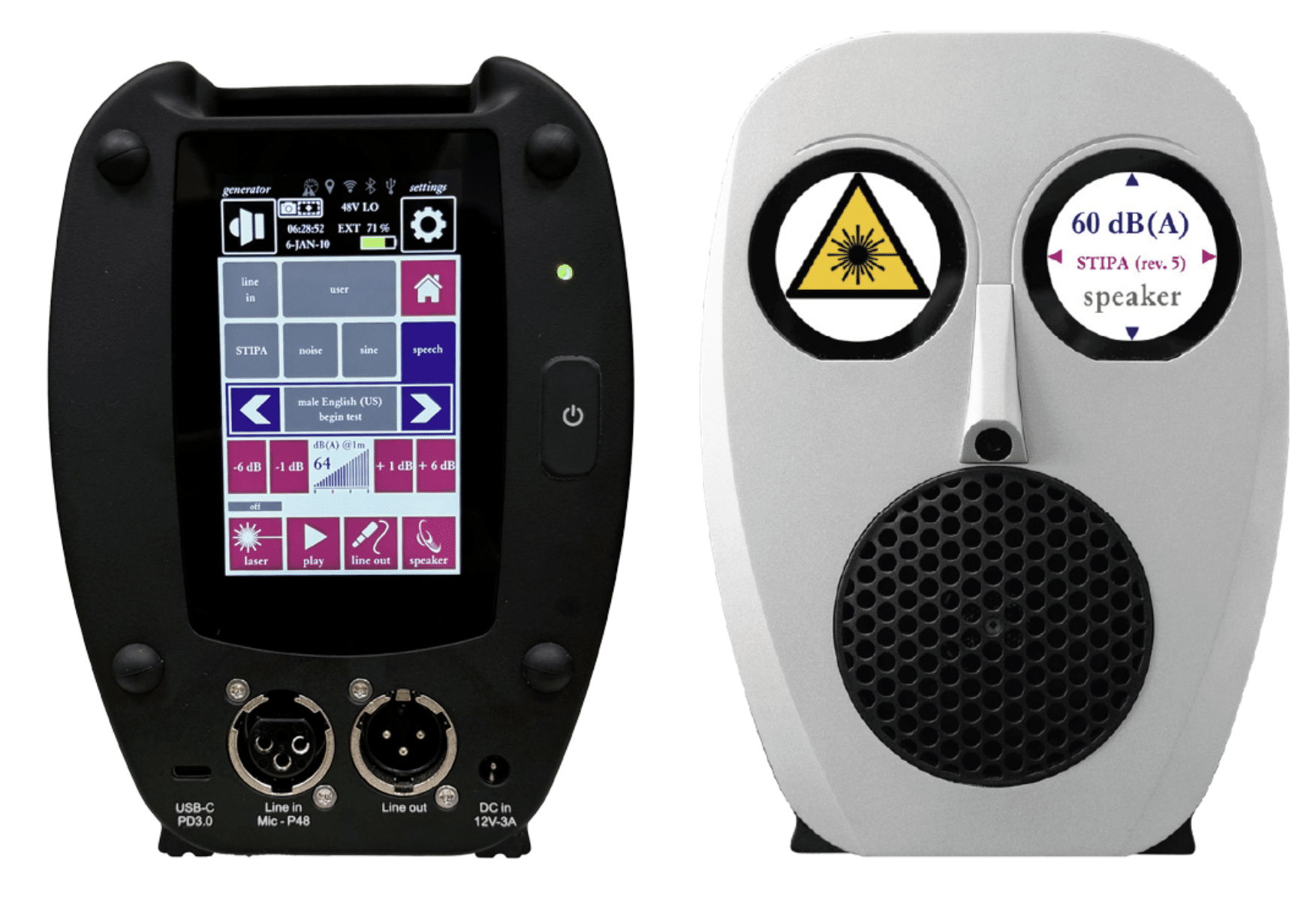
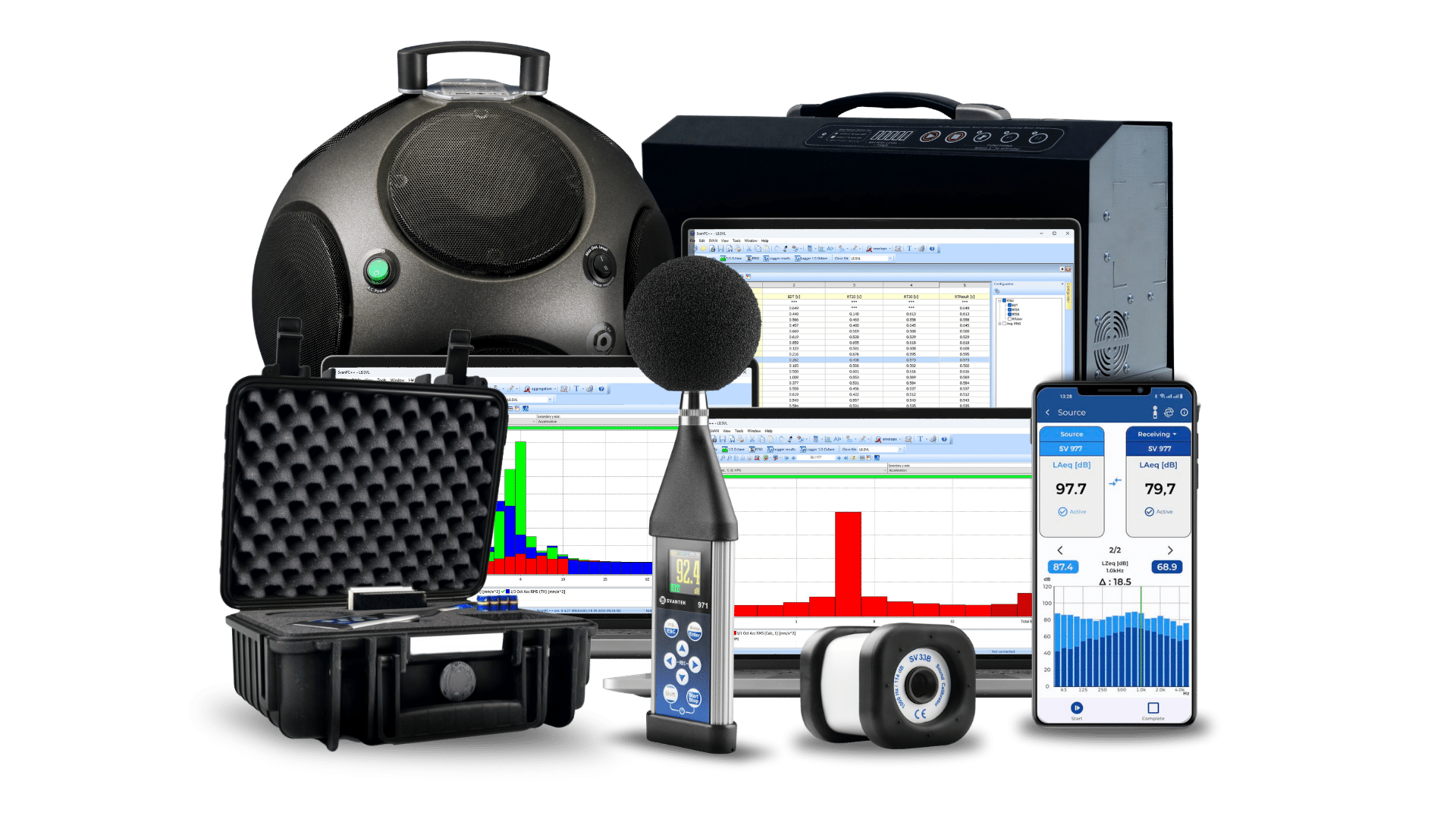
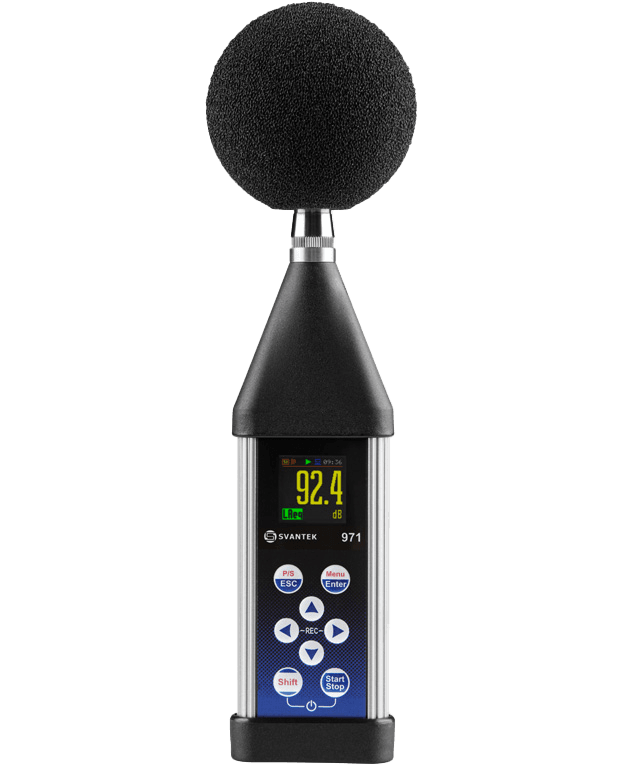
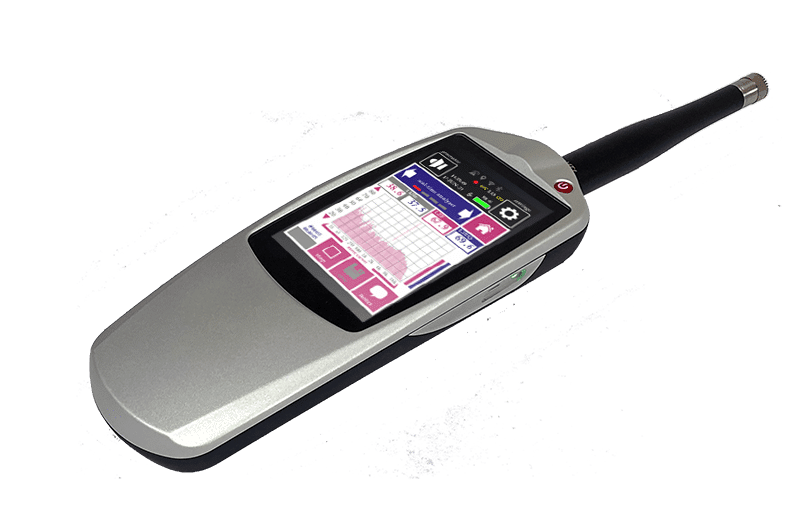
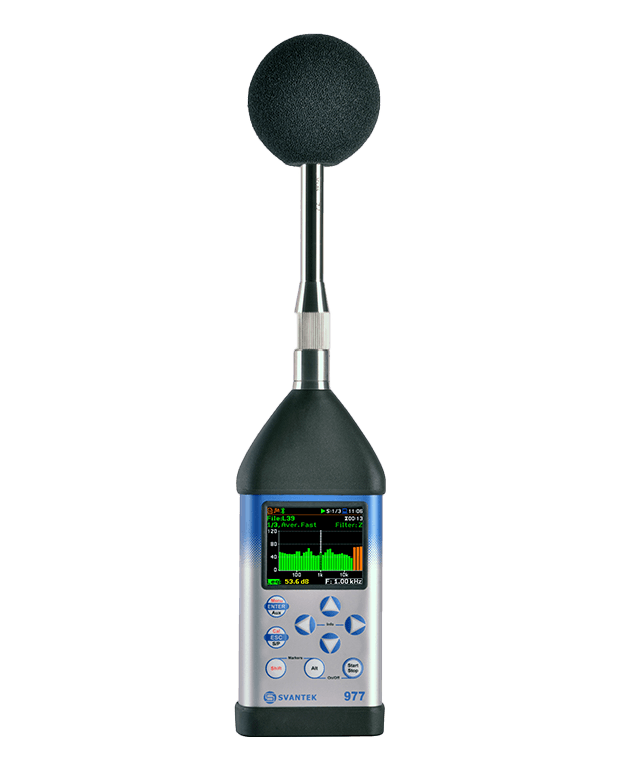
Accurate STIPA measurements require specific equipment, such as a STIPA test signal source, a calibrated sound level meter, or a measurement microphone. AcSoft provides high-quality instrumentation and calibration services to ensure compliance and precision. You can explore our calibration and rental options to find the best solution for your needs.

How AcSoft Support Speech Intelligibility Testing

At AcSoft, we offer a comprehensive range of equipment for building acoustics and STIPA measurements, supporting professionals in sectors such as healthcare, education, and manufacturing. Our expertise helps clients meet acoustic regulations with confidence. You can find more on our About Us page or reach out directly via our Contact page.

Building Testing

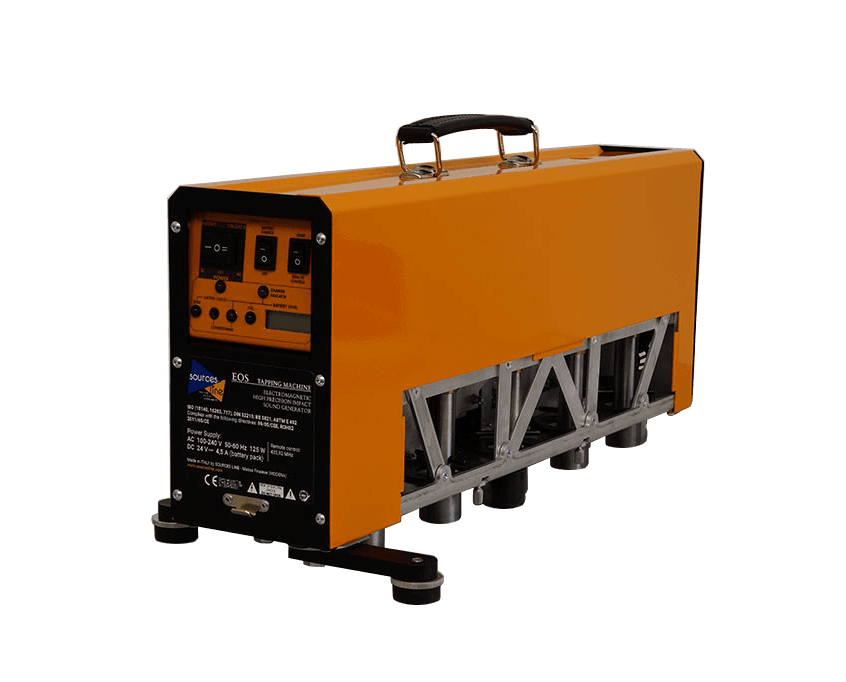
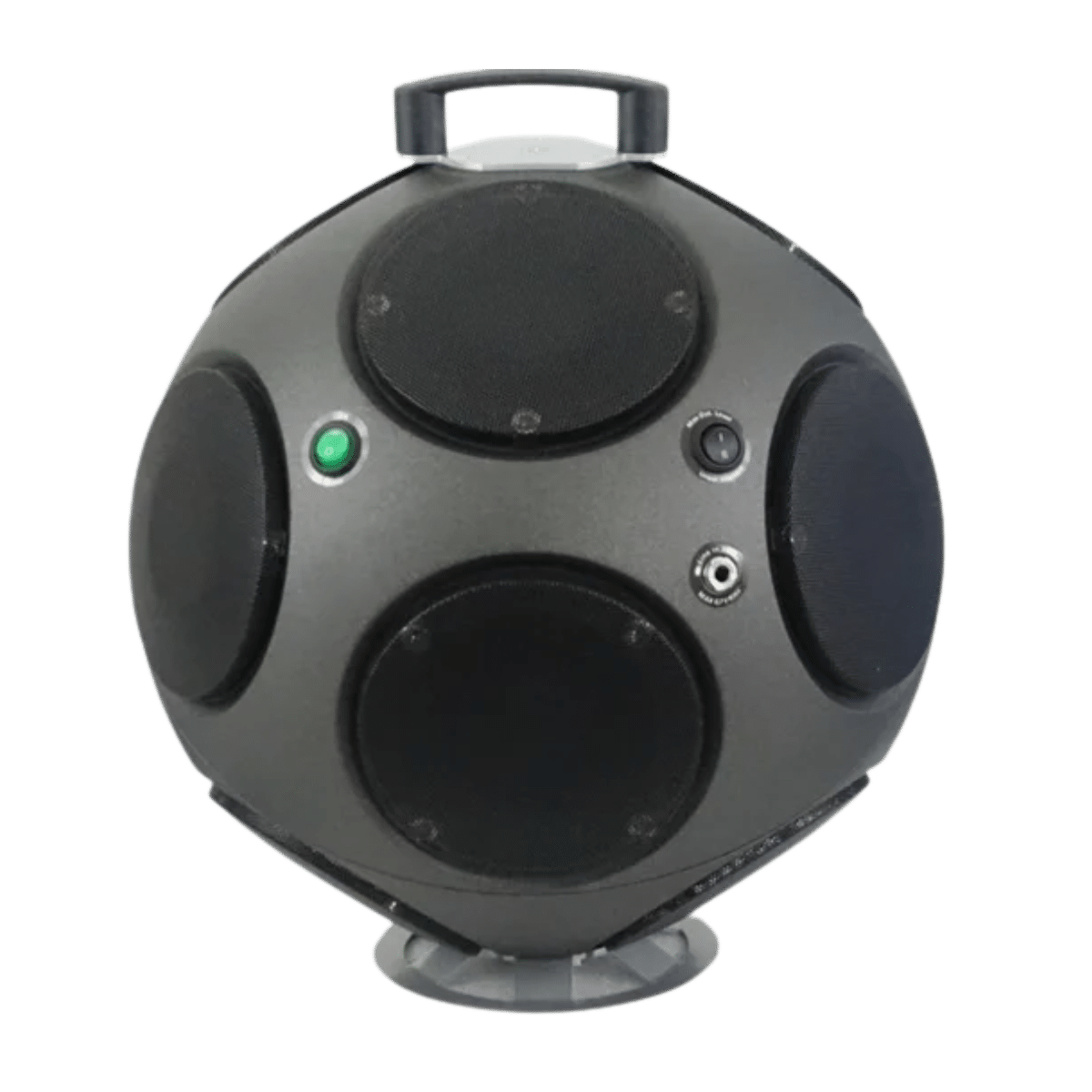
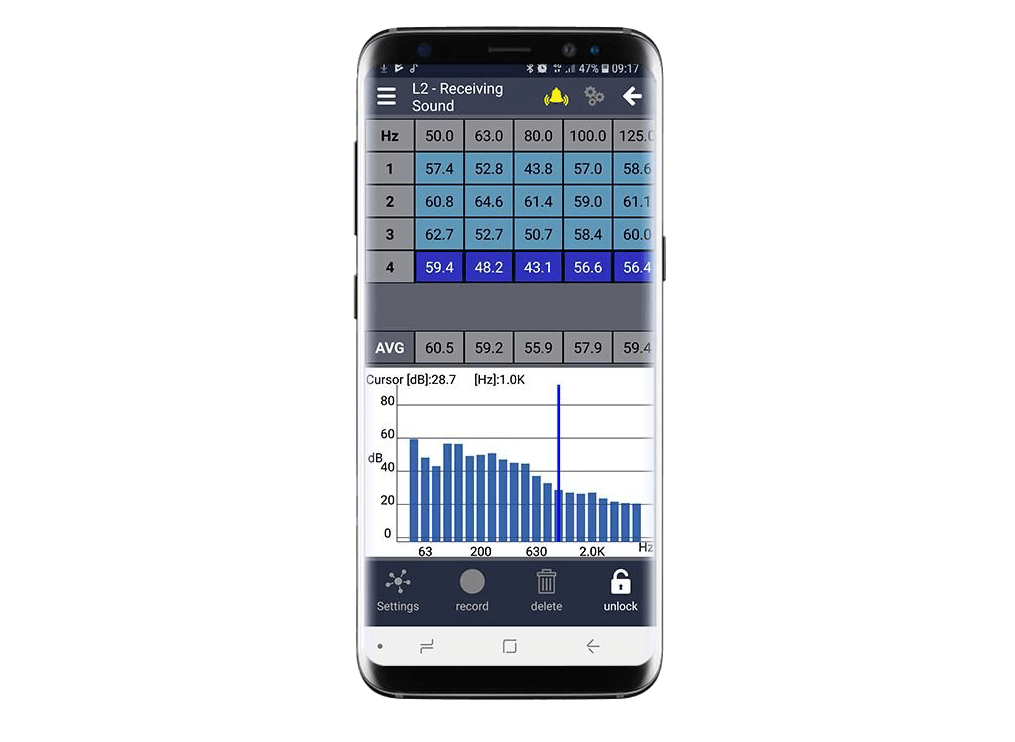
Measurements to evaluate and improve Building Acoustics are normally made to analyse and design noise control between rooms or from outside to inside.

Knowledge Hub

A Deep Dive into Scan&Paint 2D

April 15, 2026

NVH Engineers face acoustic challenges every day. This could be troubleshooting noise, optimising products or improving soundproofing. Identifying the true source of unwanted sound is rarely straightforward. Traditional acoustic measurements can tell you how loud something is, but they often struggle to clearly show where the noise is coming from.…

read article

A Deep Dive Into the SV 307A

April 13, 2026

Managing environmental noise is a key part of modern construction, infrastructure projects, and urban development. But how do you measure it reliably, over long periods, without constant site visits? Well, with a permanent noise monitoring station. Introducing the SV 307A, giving consultants, construction companies and environmental professionals a dependable way…

read article

Why Turnaround Time of Calibration Services Matters

April 1, 2026

At AcSoft we understand the frustrations of waiting weeks and paying unnecessary fees for the calibration of your systems. That’s why we’ve refined our calibration process to prioritise speed (turnaround time), cost and knowledge. Our service is built to ensure your instruments are back in action without delay. Why Turnaround…

read article

Introducing Our New Calibration Portal

March 25, 2026

We are excited to announce the launch of our brand new calibration portal, designed to make accessing and managing your calibration certificates easier than ever before. Our portal provides a secure, central location for all certificates, giving you instant access whenever you need them. Whether you are preparing for an…

read article