

Home Support Acoustics Glossary Reverberation Time

What is Reverberation Time?

Reverberation Time — commonly referred to as RT60 — is the time it takes for sound to decay by 60 decibels after a sound source stops.

Why does sound linger in some rooms more than others? It’s one of the most important measurements in room acoustics, shaping how we hear speech, music, and ambient sound in different spaces. There are also shorter versions of this metric: RT20 and RT30, which measure decay over 20 dB and 30 dB ranges, respectively. These are often used in practical measurements where achieving a full 60 dB decay isn’t feasible, helping to provide accurate estimates of RT60.

Whether you’re designing a lecture hall, assessing classroom acoustics, or tuning a recording studio, reverberation time is crucial for clarity, comfort, and compliance. In this video, we break down RT60, RT20, and RT30 — what they mean, how they’re measured, and why they matter. Want more practical insight into the world of acoustics? Visit the AcSoft Knowledge Hub — packed with FAQs, guides, and expert advice on everything sound-related.

FAQ's

Reverberation Time is critical for ensuring speech clarity, audio quality, and regulatory compliance in spaces like auditoriums, classrooms, hospitals, and industrial facilities. Excessive reverberation can reduce intelligibility or increase noise exposure, while too little can make a space sound “dead.” Acoustic standards, such as ISO 3382 and building codes, specify recommended ranges for different room types and applications.

Reverberation Time is important in Occupational Health and Safety becuase high reverberation increases background noise and can mask warning signals or alarms. Monitoring RT60 helps ensure worker safety and contributes to noise control strategies.

Auditoriums, concert halls, and recording studios require precisely tuned RT60 for optimal sound quality. Too long → sound becomes muddy; too short → sound lacks richness. Continuous monitoring allows designers to adjust materials, layouts, and diffusers for ideal acoustic performance.

Need to measure Reverberation Time in your building?

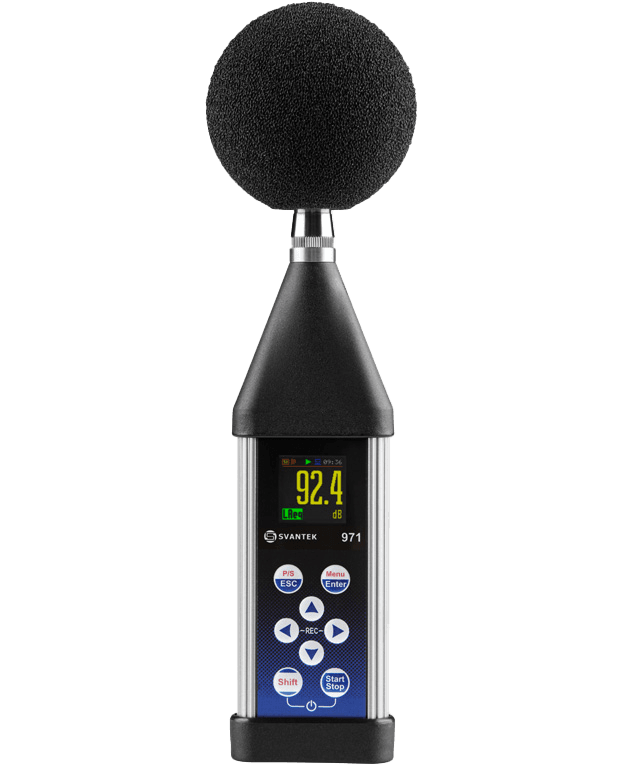
Our range of professional noise and vibration monitoring products provides accurate measurement to ensure compliance and clear acoustics. 

Building Acoustics & STiPA

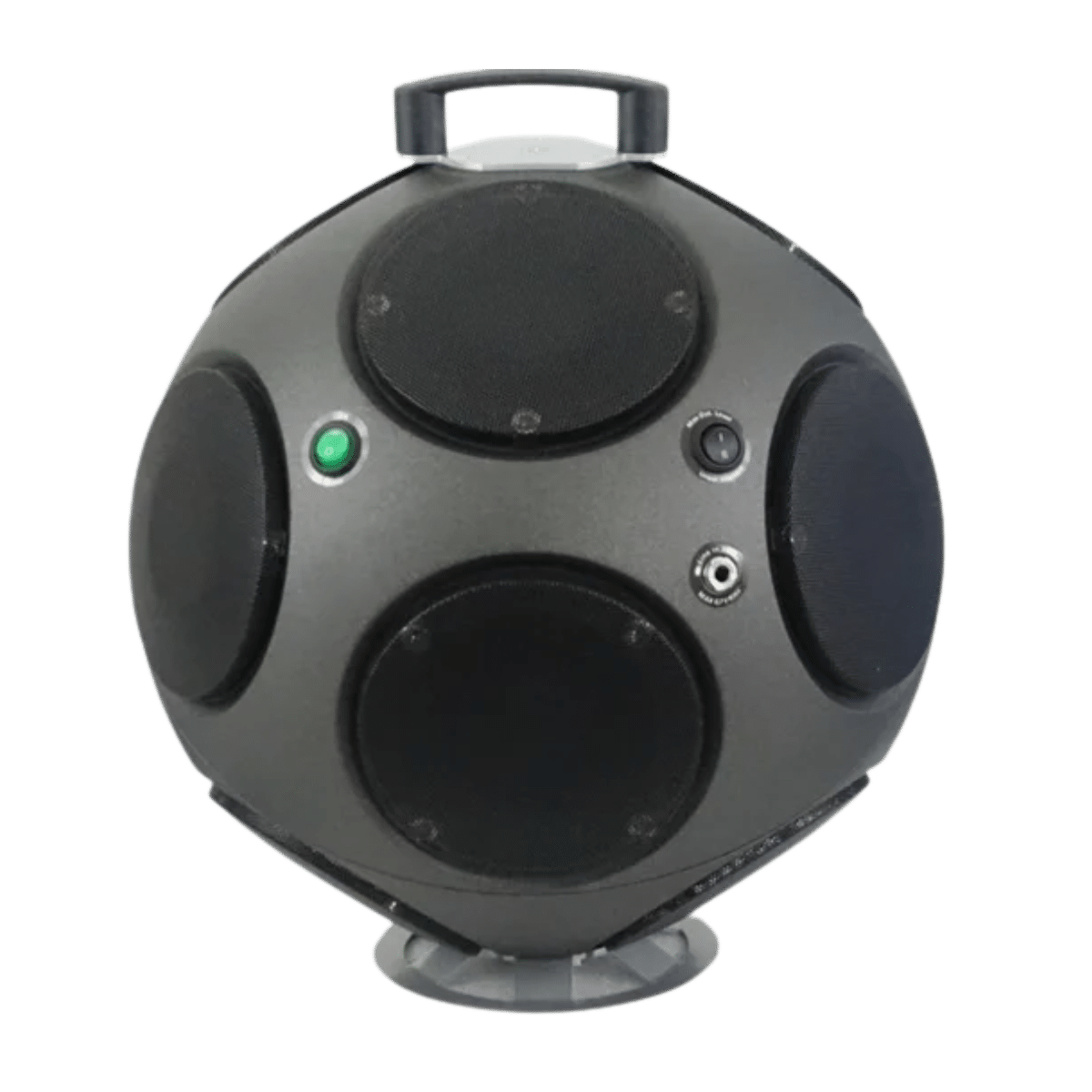
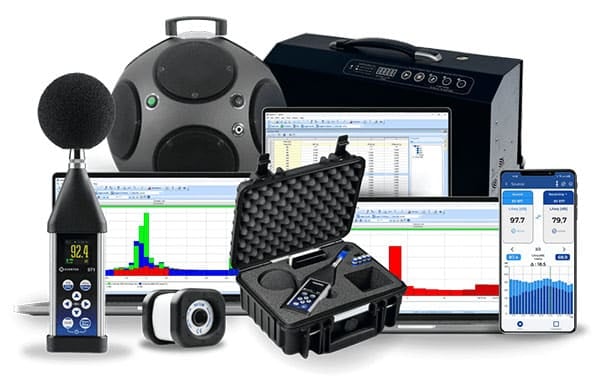
The Building Acoustics Kit

Knowledge

Understand more about RT60

Building Acoustics: What, When, Where and How to Measure?

January 18, 2022

Under the Building Regulations, Approved Document E (ADE) 2003 (as amended 2010, 2013, 2015) sound testing between residential dwellings is a requirement for building control sign-off. What to test? Under ADE, a full set (comprising of 2x airborne wall tests, 2x airborne floor tests and 2x impact floor tests) is…

read more

Introducing the SV 973 Sound Level Meter for Measuring Occupational Noise

October 5, 2020

New Class 2 instrument boasts patented MEMS microphone, lifetime warranty and measurement range up to 141dB Peak Svantek has launched its SV 973 sound level meter for reliable and accurate measurement of noise in the workplace. The new Class 2 instrument features a patented MEMs microphone with lifetime warranty and…

read more

What Makes Good Building Acoustics?

February 24, 2020

Good building acoustics is about controlling the quality of sound inside a building so that it is kept at a reasonable and comfortable level, while also suppressing noises coming from outside of the building. This will include: Achieving good speech intelligibility in a theatre, restaurant or railway station Enhancing the…

read more

AcSoft Introduces Noisepad Acoustics & Vibration Analyser

September 5, 2019

Combination of robust 8” tablet and DSP-based analyser is ideal for range of occupational health and environmental monitoring applications Reinforcing its position at the forefront of sound and vibration instrumentation and software, AcSoft has introduced the latest NoisePAD four-channel real time Acoustics & Vibration Analyser from SINUS. The combination of…

read more