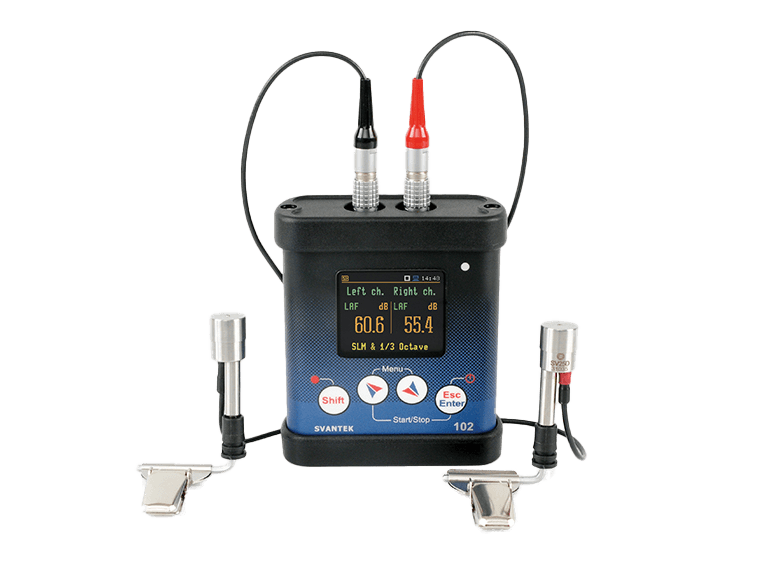
Understanding Noise Dosimeters
Accurately assessing occupational noise exposure is vital across industries, especially where employees are exposed to loud noises during their working day. Noise exceeding 85dBA over an 8 hour shift is considered a critical threshold because it significantly increases the risk of hearing loss. Noise dosimeters play a central role in this process, offering a portable, real-time solution for monitoring individual noise exposure.
What Is A Noise Dosimeter?
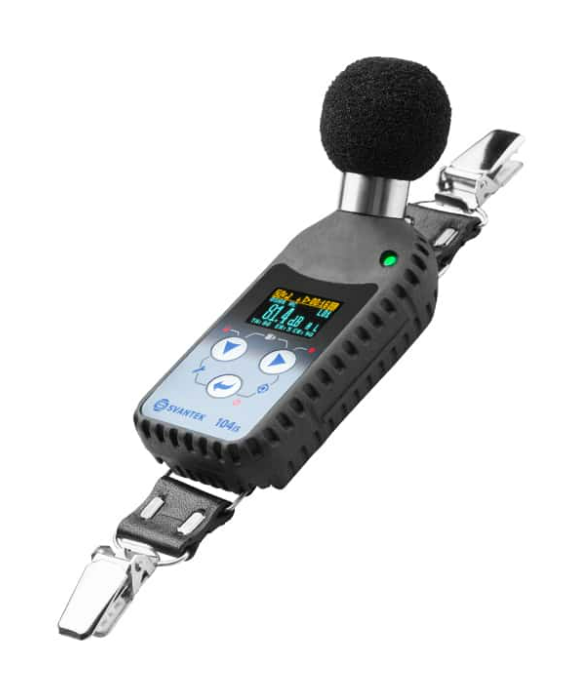
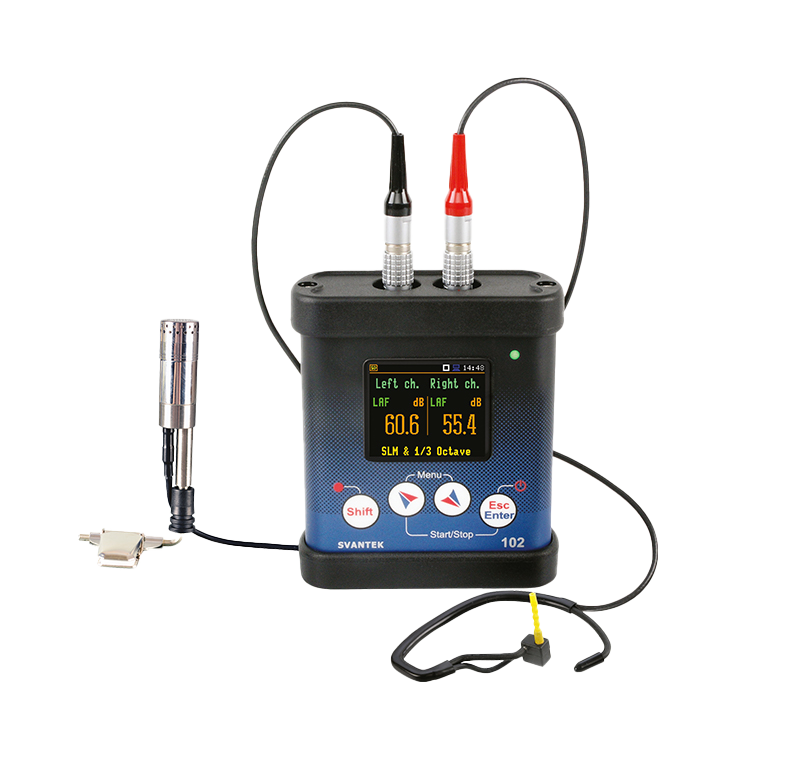
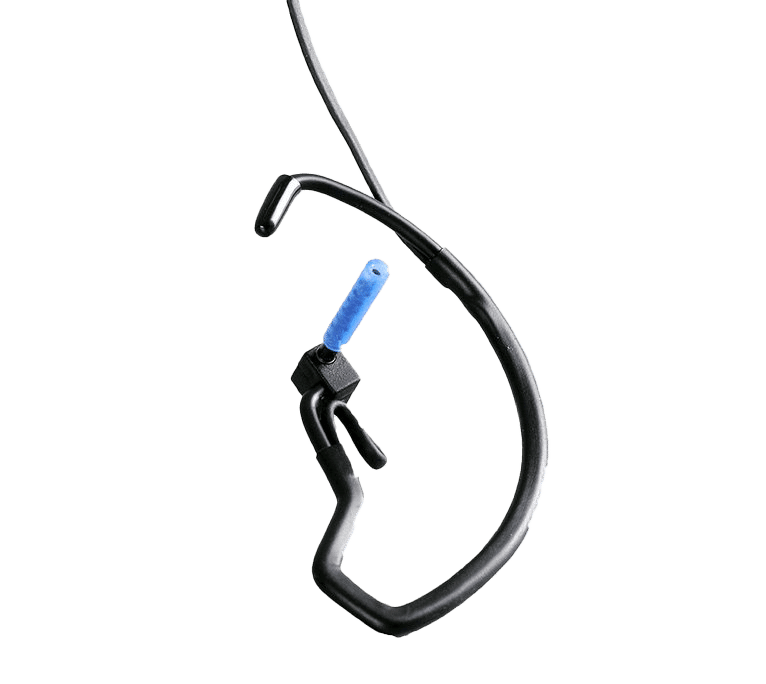
A noise dosimeter is a compact, wearable device designed to measure and record a person’s cumulative exposure to noise over time. Worn on the shoulder or attached near the ear, dosimeters provide continuous monitoring, aligning with standards such as the Control of Noise at Work Regulations 2005.
How Does It Differ From A Sound Level Meter?
While both instruments assess sound, a noise dosimeter differs significantly from a standard sound level meter. Sound level meters provide spot measurements at a fixed location, useful for general environmental assessments. Dosimeters, by contrast, track personal exposure as the wearer moves through varied sound environments, offering a far more detailed and representative picture of risk.
Who Uses Noise Dosimeters?
Noise dosimeters are widely used by health and safety professionals, occupational hygienists, site managers, and environmental consultants. Industries such as construction, manufacturing, transport, energy, and mining depend on dosimeters to ensure regulatory compliance and protect long-term hearing health.
How Do Noise Dosimeters Work?
These devices operate by continuously sampling ambient sound, calculating the average noise level (Leq), peak levels, and dose over time. Modern dosimeters often feature integrated data logging and wireless connectivity, allowing users to download measurements for analysis or reporting. As part of standard maintenance, dosimeters require regular noise dosimeter calibration to ensure accuracy.
Understanding Class 1 vs Class 2 Dosimeters
Noise dosimeters are typically categorised by their accuracy and tolerance. Class 1 dosimeters offer the highest precision and are suitable for laboratory-grade or regulatory-level assessments. Class 2 dosimeters, whilst they are still accurate, are more commonly used in a general occupation setting where Class 1 precision may not be necessary. Both classes require periodic calibration.
Do You Need One Per Employee?
Not always. While personal monitoring is ideal, many businesses share dosimeters across shifts, assigning them to representative workers in their respective roles. This approach still provides a reliable indication of exposure, as long as user profiles and time periods are clearly documented, which is possible using software such as Svantek’s health and safety software, Supervisor.
Support Noise Risk Assessments
Noise dosimeters are an invaluable tool when it comes to supporting a thorough noise risk assessment. By capturing exposure data across a full shift, these devices help health & safety officers make informed decisions about hearing protection zones, PPE requirements, and administrative controls. They can also help demonstrate compliance during audits or inspections.
Choosing The Right Dosimeter
When selecting a noise dosimeter, consider the environment, data requirements, and compliance obligations. Key factors include battery life, memory capacity, Class rating, ease of data transfer, and warranty periods. AcSoft offers a wide range of Svantek devices and can help you select the most suitable option based on your industry, budget, and needs.
How Can AcSoft Help
With decades of experience in the acoustic and environmental monitoring field, AcSoft provides tailored solutions for professionals working in health and safety. Our selection of noise dosimeters is backed by expert advice, ongoing support, and a comprehensive calibration service. For short-term needs or trial assessments, our rental options provide a flexible, cost-effective route. Whether you require guidance on regulatory compliance or wish to discuss the right dosimeter for your specific work environment, our team is here to help – get in touch now.