
What is LPEAK?
LPeak (Peak Sound Level) is the maximum instantaneous sound pressure level recorded during a measurement,
What does LPeak actually measure? LPeak (Peak Sound Level) is the maximum instantaneous sound pressure level recorded during a measurement, without any time averaging. It captures the sharpest, most intense moment of a noise event, making it especially important in industries where sudden loud sounds can cause hearing damage.
Unlike other metrics like Leq or LMax, LPeak shows the true peak pressure, not smoothed or averaged, which is critical in environments with impulsive noise — such as hammering, explosions, or impact machinery. In this video, we break down what LPeak means, how it’s different from other sound level readings, and why it matters for health and safety assessments.
In this video, we break down what LPeak means, how it’s different from other sound level readings, and why it matters for health and safety assessments.
Want to explore more technical acoustic terms? Head over to the AcSoft Knowledge Hub — full of FAQs, expert insights, and practical guides on noise and vibration.
Related Products
Related to products in Noise Measurement
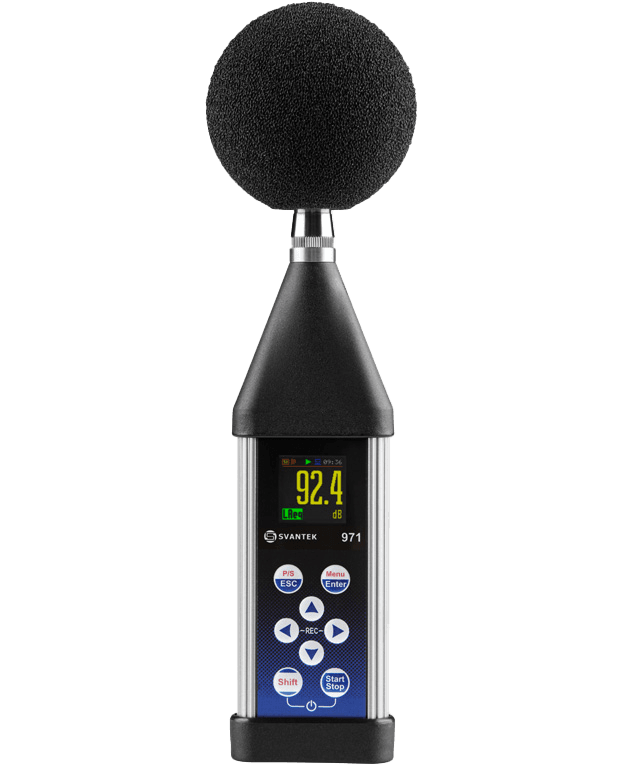
SV 971A Class 1 Sound Level Meter
The new SV 971A Class 1 Sound Level Meter has been designed for both occupational noise and building acoustics measurements.
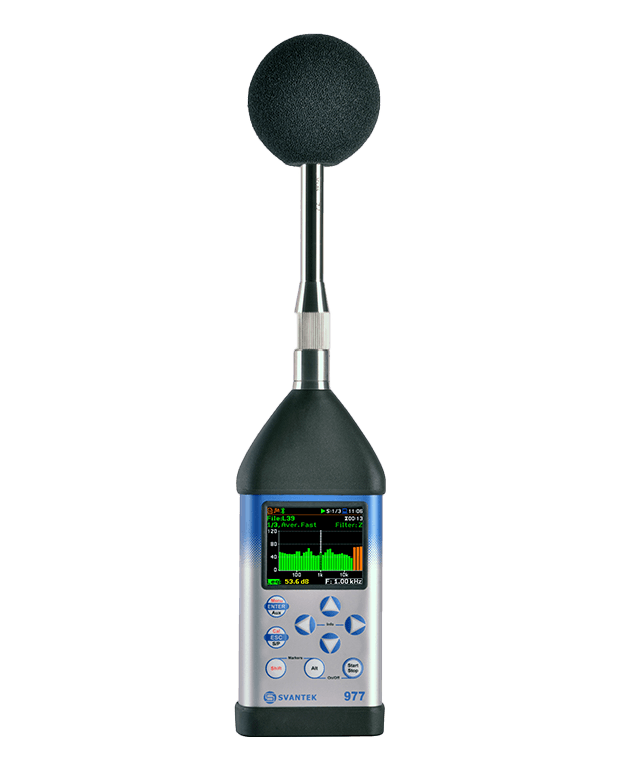
SV 977 Sound and Vibration Analyser
The SV 977D is a Class 1 Sound and Vibration meter designed for building acoustics, occupational noise and environmental noise measurements.
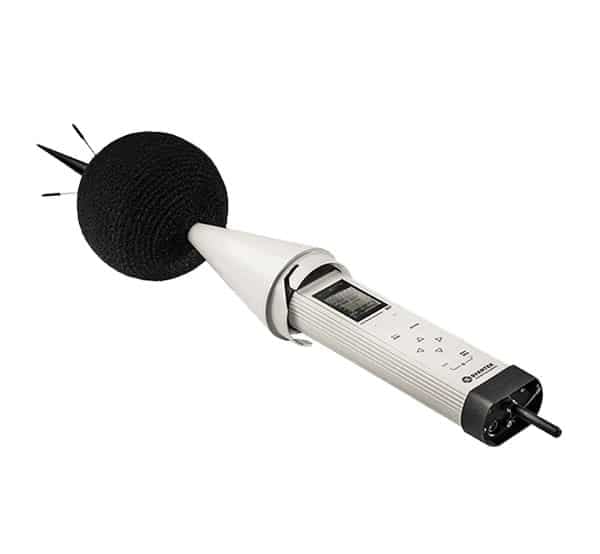
SV 307A Outdoor Noise Monitoring Station
The SV307A is the newest version of the all-in-one noise monitoring station based on a patented MEMS microphones technology covered by a life-time warranty.
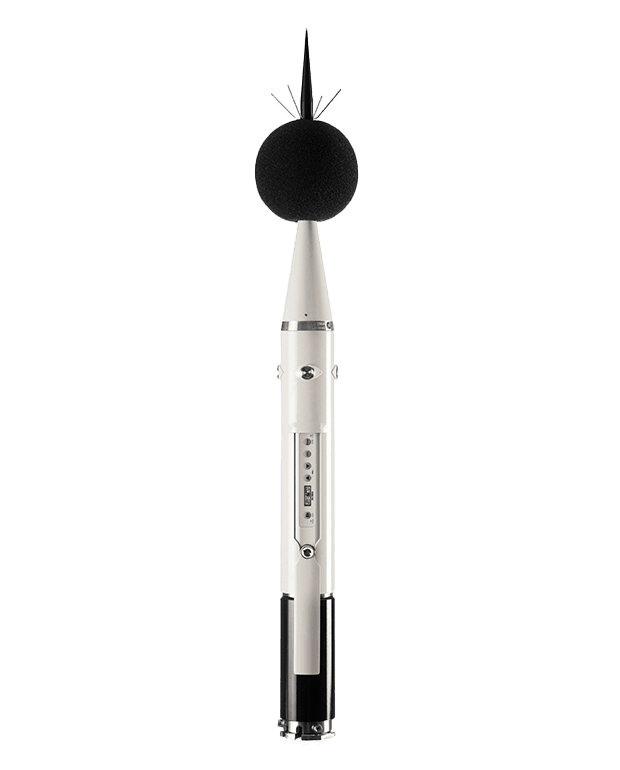
SV 200A Outdoor Noise Monitoring Station
SV 200A is the top-of-the range noise monitoring station with built-in microphones for noise directivity detection. This revolutionary solution enables identification of dominant noise sources…
FAQ's
What industries need to monitor LPEAK sound pressure?
LPeak shows the true peak pressure, not smoothed or averaged, which is critical in environments with impulsive noise, such as:
- Industrial: Metal-on-metal impacts, pile driving, and heavy stamping machines.
- Construction: Explosive-actuated tools (nail guns) and jackhammers.
- Environmental/False Positives: High Lpeak readings on a personal noise dosimeter can sometimes be caused by wind hitting the microphone or the microphone rubbing against a shirt collar
Why is LPEAK so important?
The most important reason for monitoring Lpeak is to prevent acoustic trauma. While regular noise exposure (Leq) causes hearing loss gradually over the years, a single excessively high Lpeak event—such as an explosion, a loud bang, or a pneumatic tool—can cause permanent hearing damage in a single instance by physically damaging the hair cells or the eardrum.
What are the laws around LPEAK?
- 135 dB(C): The lower exposure action value where hearing protection must be made available.
- 137 dB(C): The upper exposure action value where hearing protection becomes mandatory.
- 140 dB(C): The absolute exposure limit; no individual should ever be exposed to a peak noise level at or above this threshold