


Strategic Air Quality Management with Airly Pure
Hyperlocal Data for Informed Decision Making
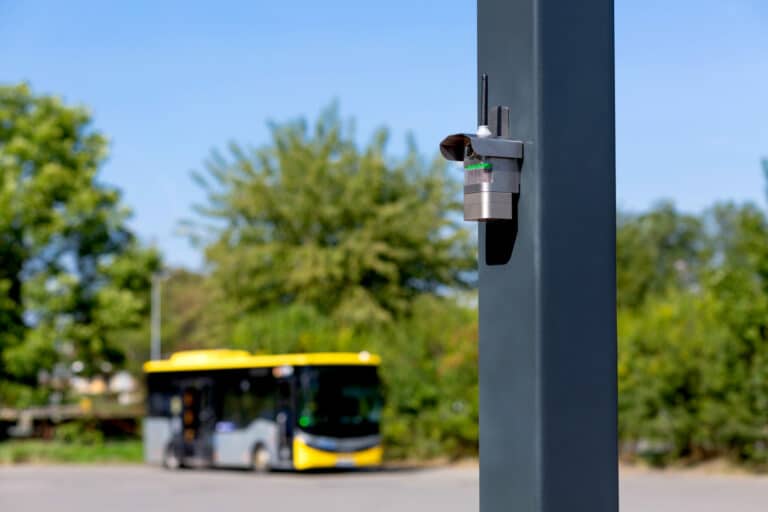
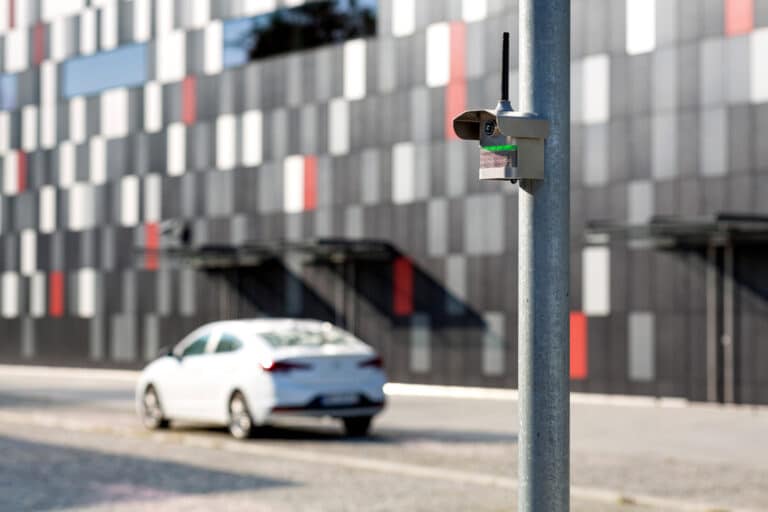
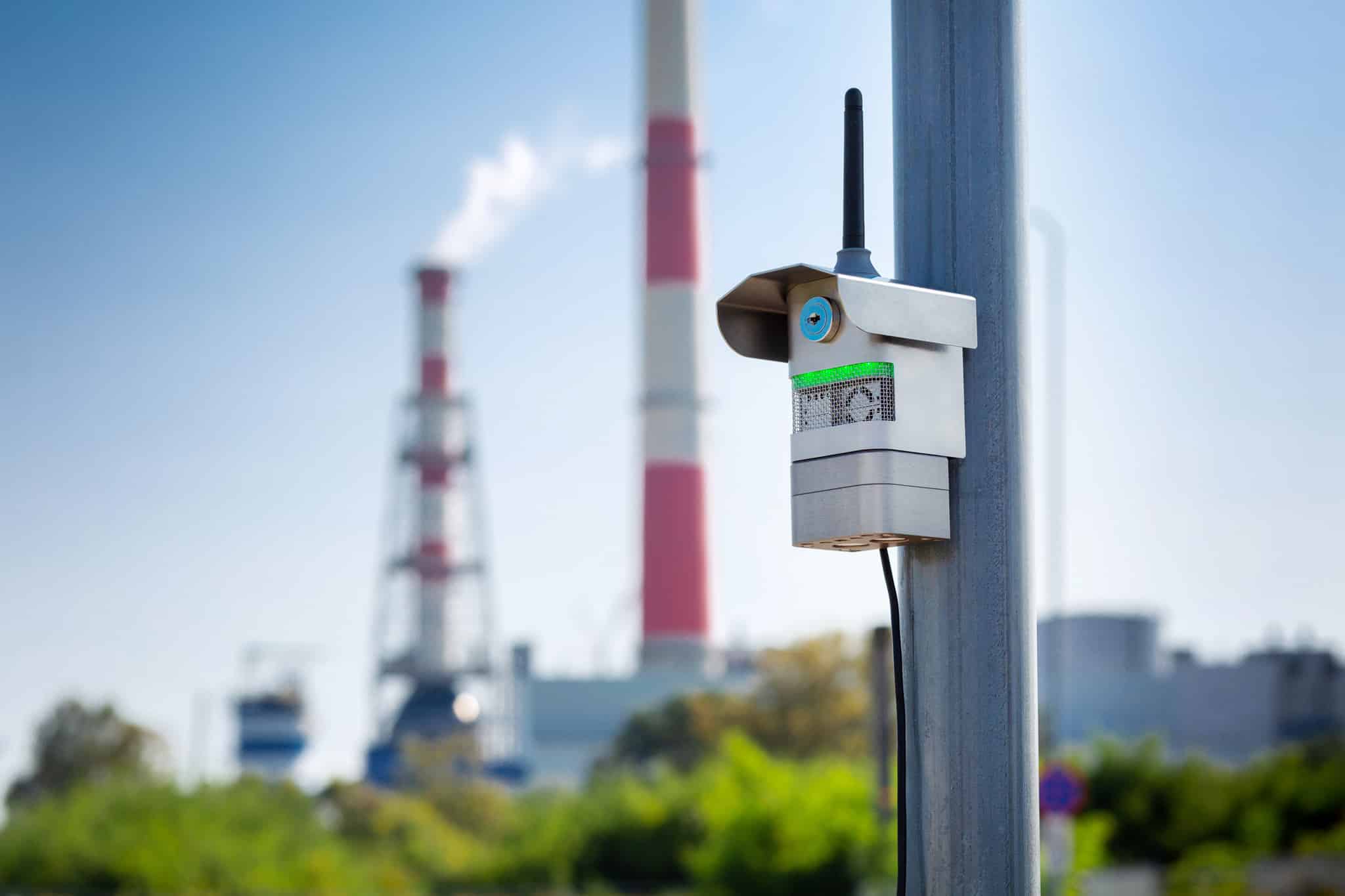
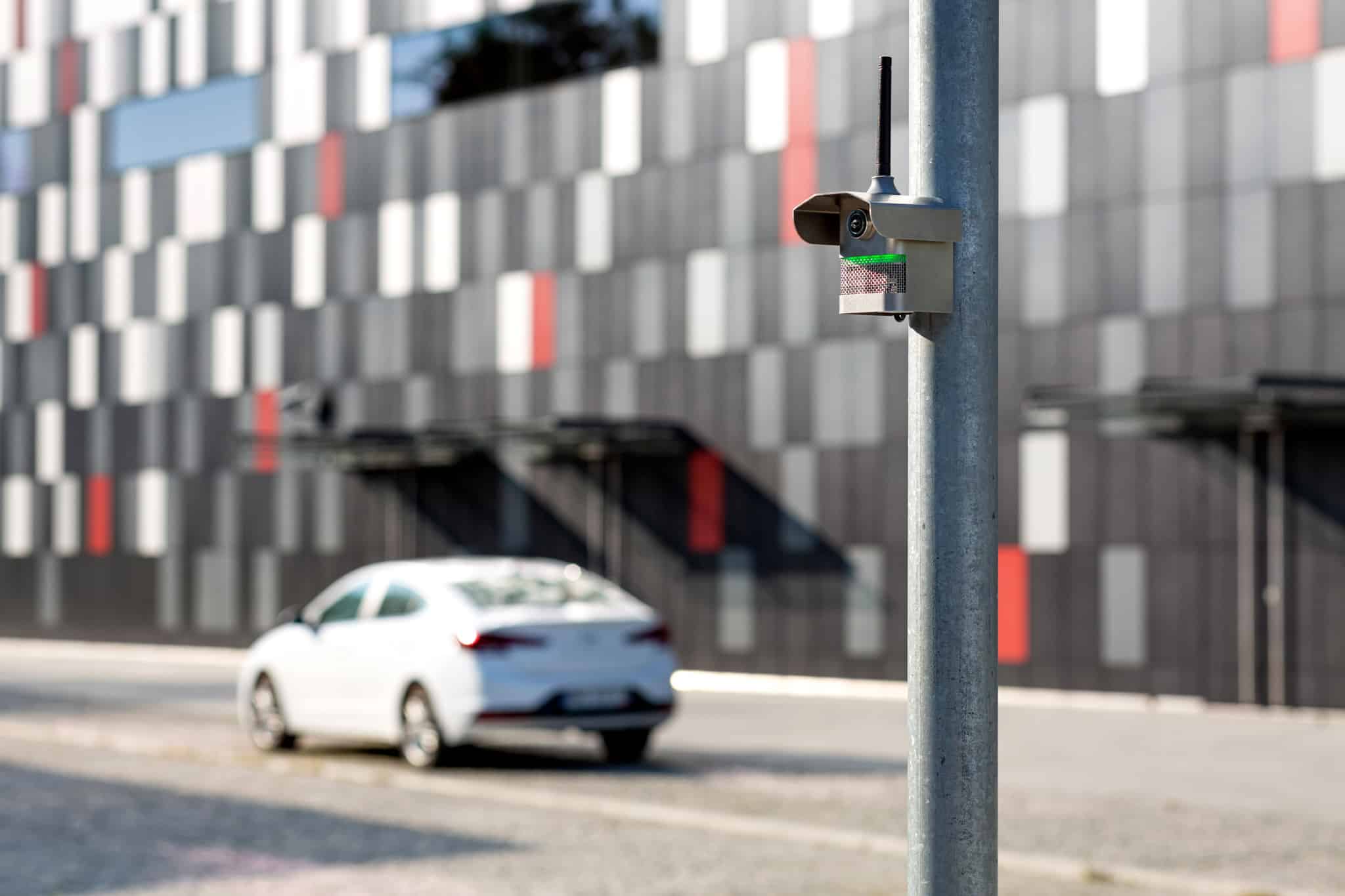
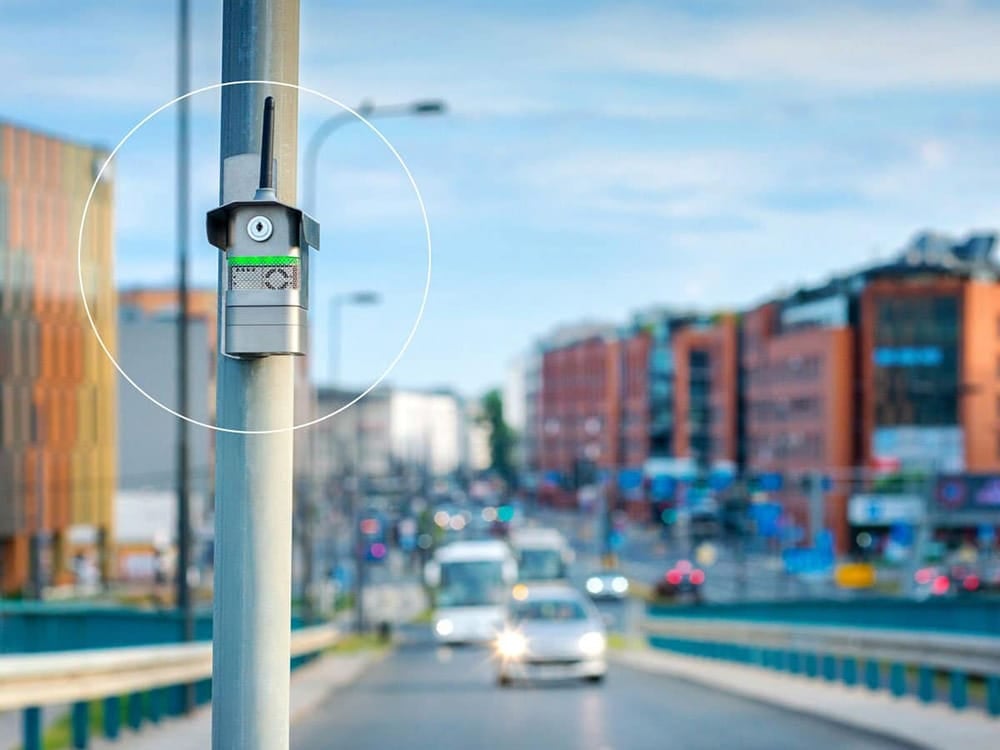
Standard regional air quality stations often miss the “street canyon” effects and localised pollution hotspots that impact public health. The Airly Pure bridges this gap by providing hyperlocal air quality data. By deploying a dense network of sensors, local authorities and private enterprises can transition from reactive measures to proactive environmental management.
Understanding MCERTS Certification and Data Reliability
When investing in air quality instrumentation, data integrity is paramount. The Airly Pure is MCERTS certified, ensuring that the hardware meets the rigorous performance standards set by the Environment Agency.
- Validation: Regular automated calibration ensures that gas and particulate matter (PM) readings remain accurate across varying climatic conditions.
- Granularity: Monitor PM1, PM2.5, and PM10
Technical Excellence in Environmental Monitoring
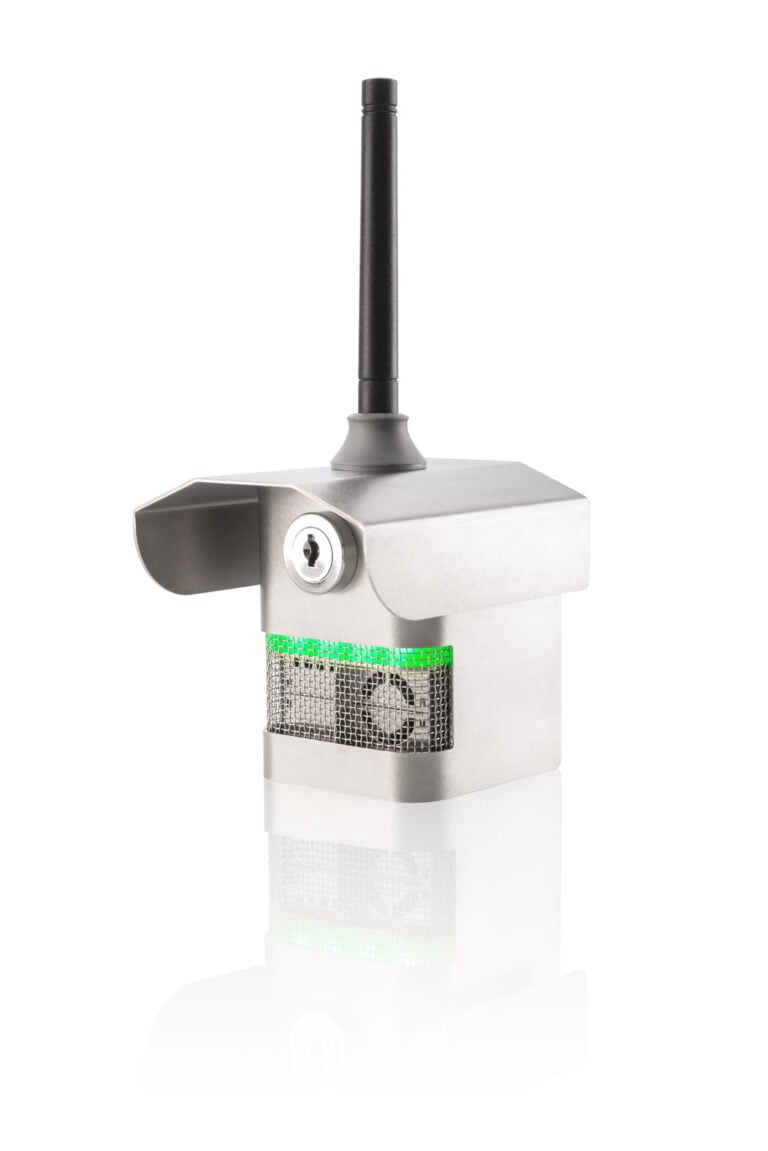
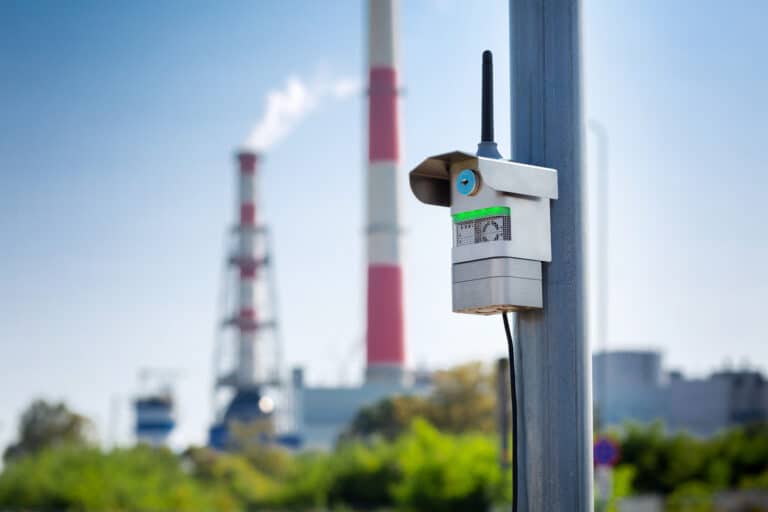
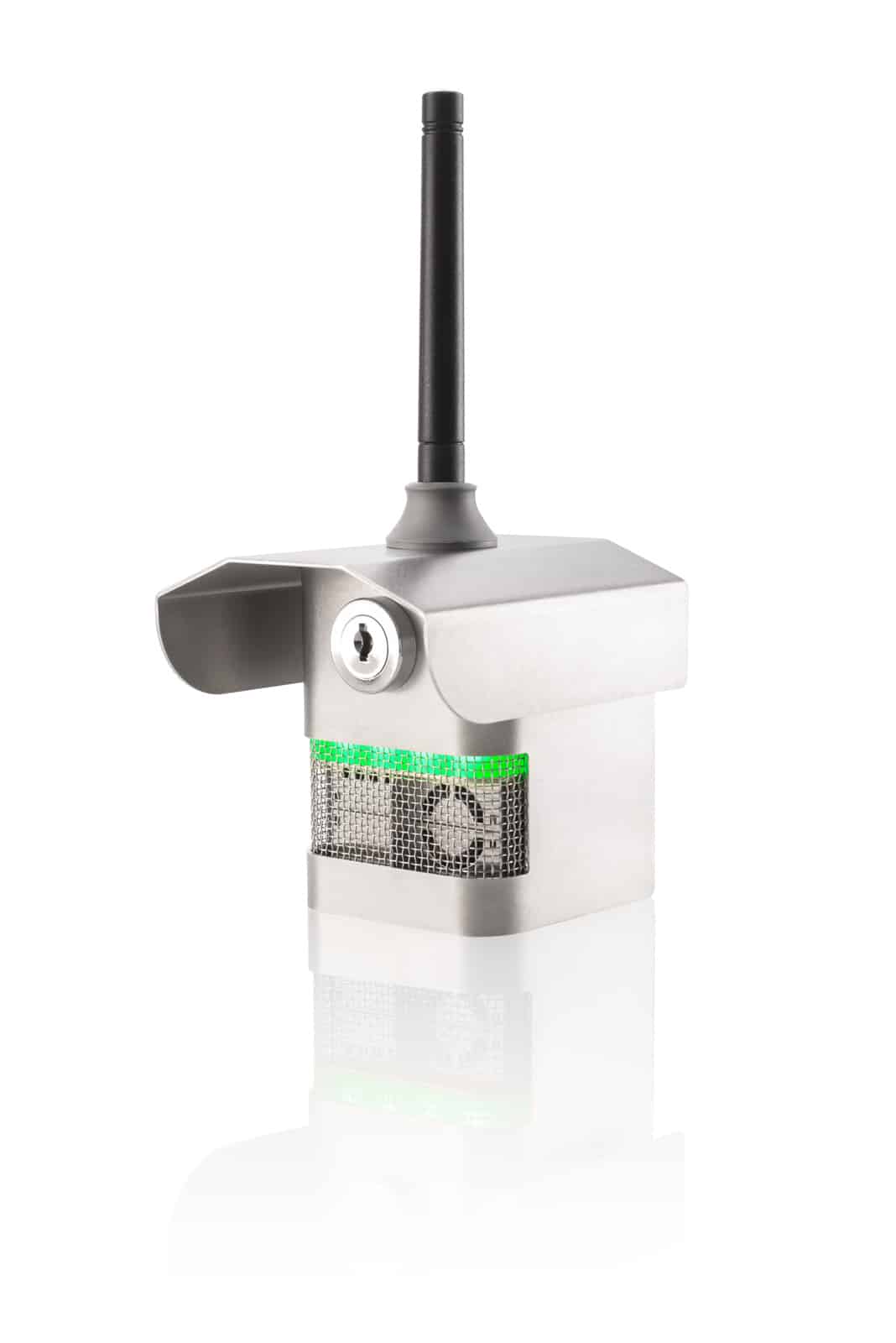
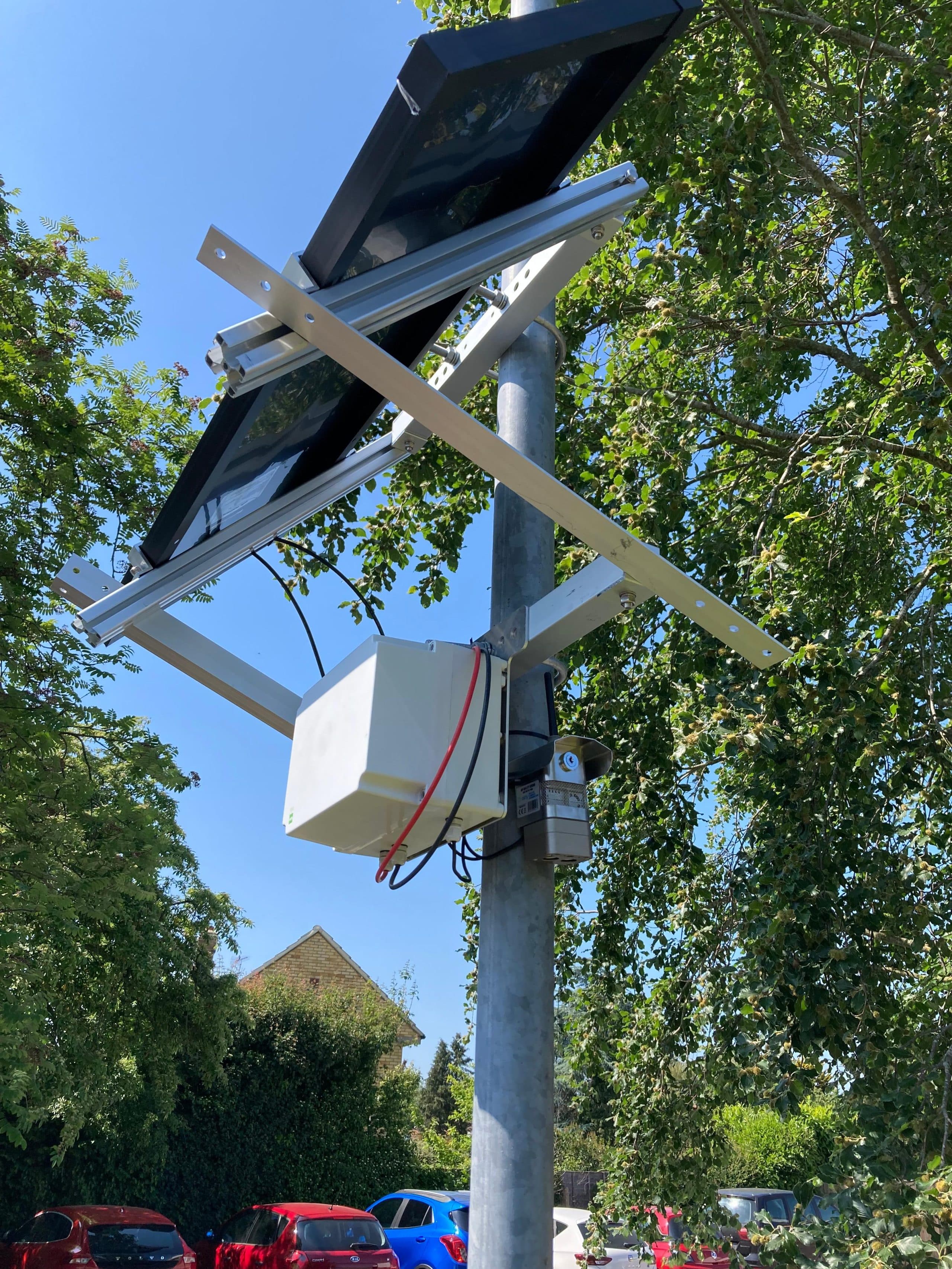
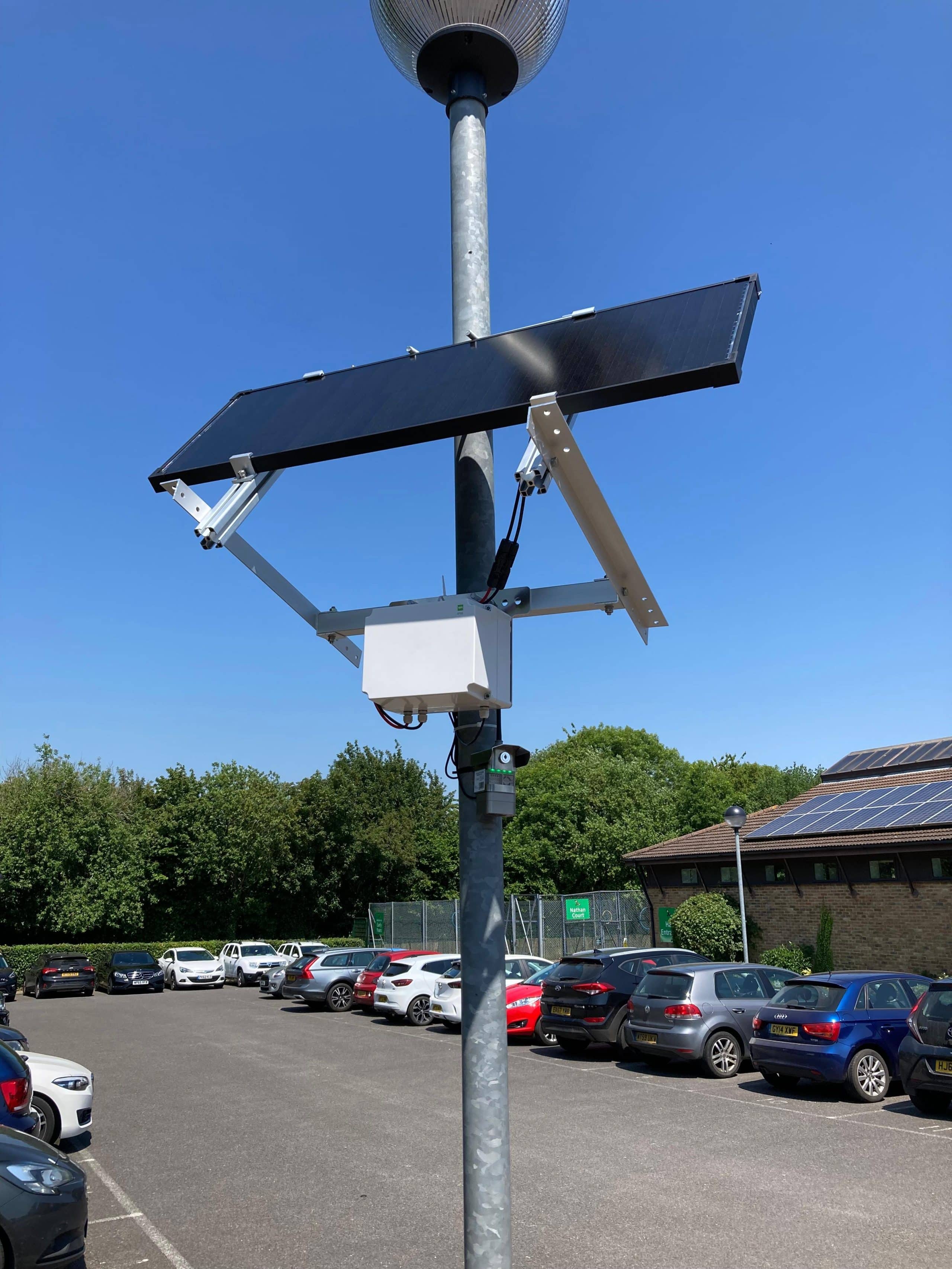
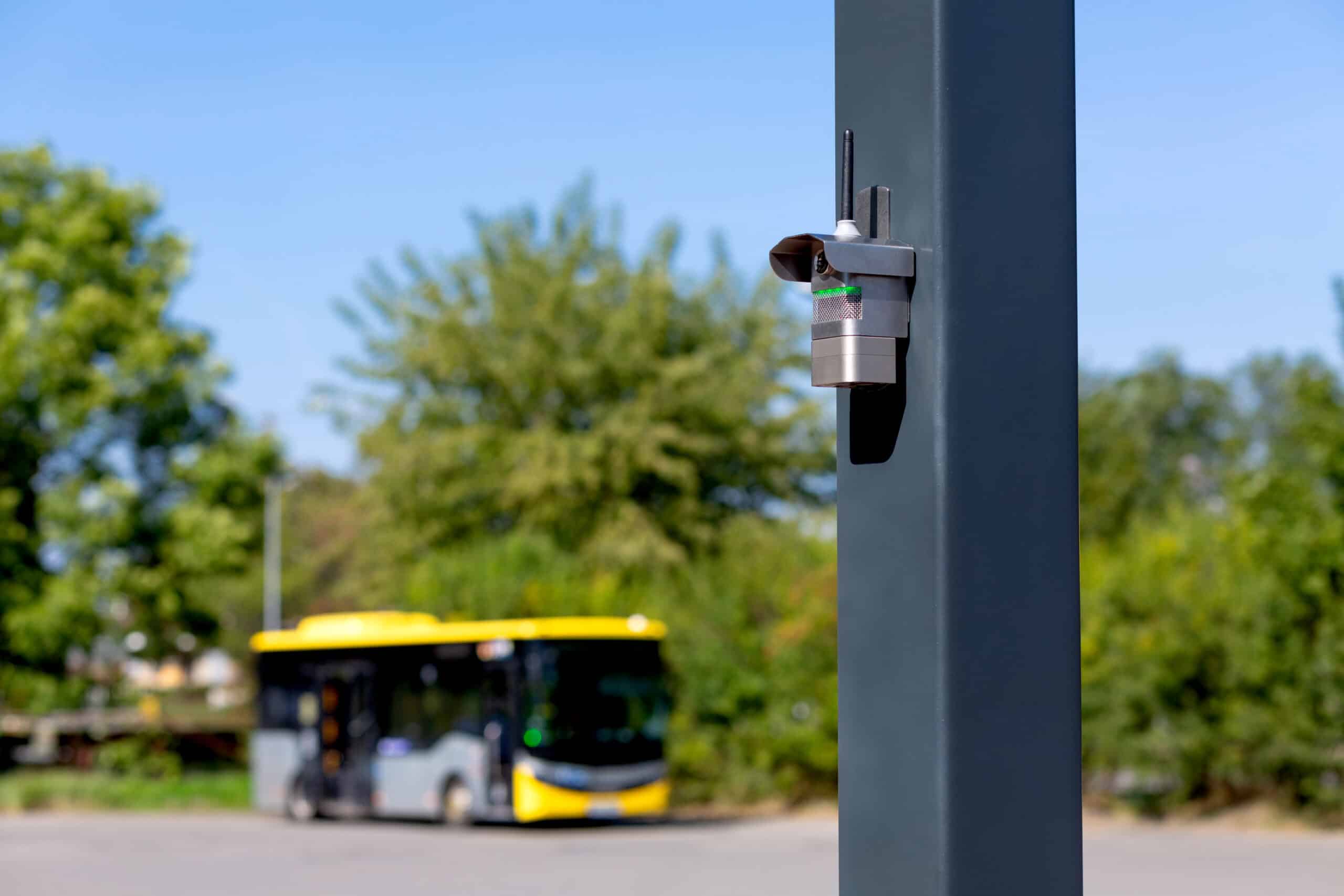
The Airly Pure is designed for longevity and ease of use in harsh urban and industrial environments. Encased in marine-grade stainless steel, it is built to withstand temperature extremes from -40°C to +80°C. The use of GSM protocol ensures that data transmission remains secure and independent of local Wi-Fi fluctuations, making it a “plug-and-play” solution for rapid deployment.
Driving ESG and Corporate Responsibility
For modern enterprises, environmental impact is a key metric of success. Integrating Airly sensors into your infrastructure supports:
- ESG Reporting: Provide transparent, real-time data on air quality improvements for sustainability audits.
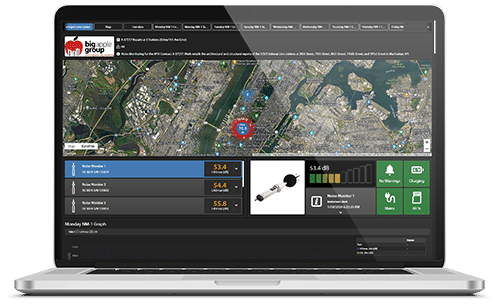
- Public Engagement: Use the Airly Map and Mobile App to share air quality insights with employees and local communities, fostering a culture of transparency.
- Smart City Integration: Seamlessly feed data into existing management systems via a robust API for automated ventilation or traffic control responses.

The Role of Predictive Analytics in Pollution Control
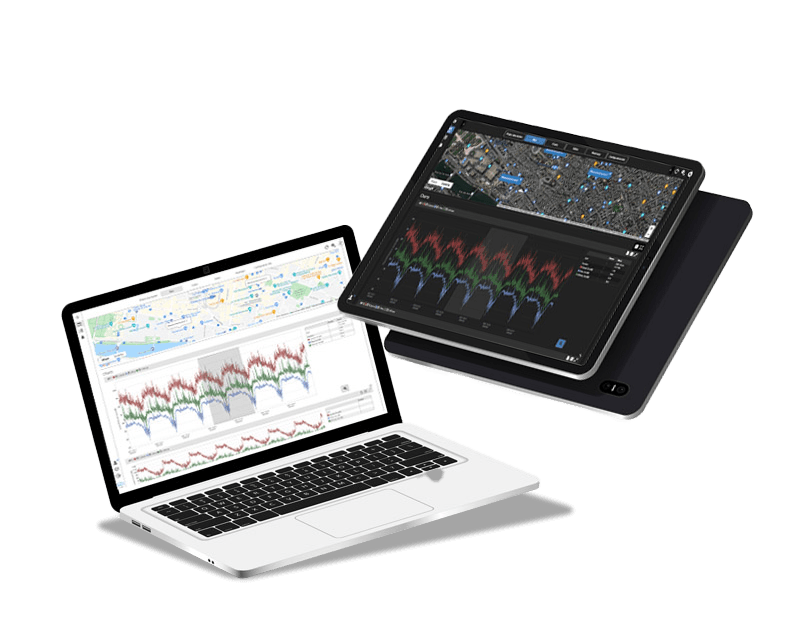
Beyond real-time monitoring, the Airly Data Platform utilises advanced algorithms to provide predictive air quality insights. By analysing historical data alongside weather parameters like wind speed and humidity, the system can forecast pollution peaks up to 24 hours in advance. This allows for:
- Targeted warnings for sensitive groups (schools, hospitals).
- Data-driven planning for low-emission zones.