
Managing vibration exposure is a core part of controlling HAVS and whole-body vibration risks. But how does one do this accurately and consistently?
Well, with a human vibration monitor. The SV 106D gives health and safety professionals a reliable way to measure, assess, and manage vibration exposure in line with international standards.
This guide explains what the SV 106D is, how i t’s used, and why its design matters in real-world H&S work.
What Actually is the SV 106D?
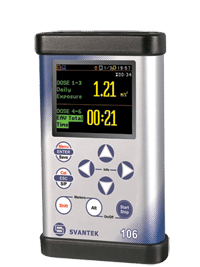
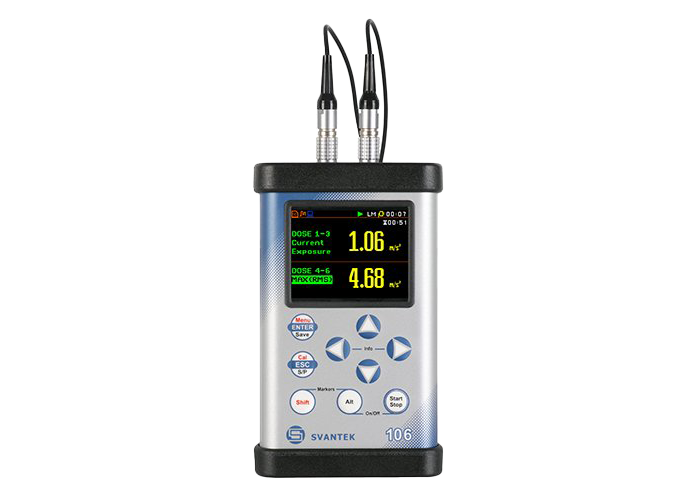
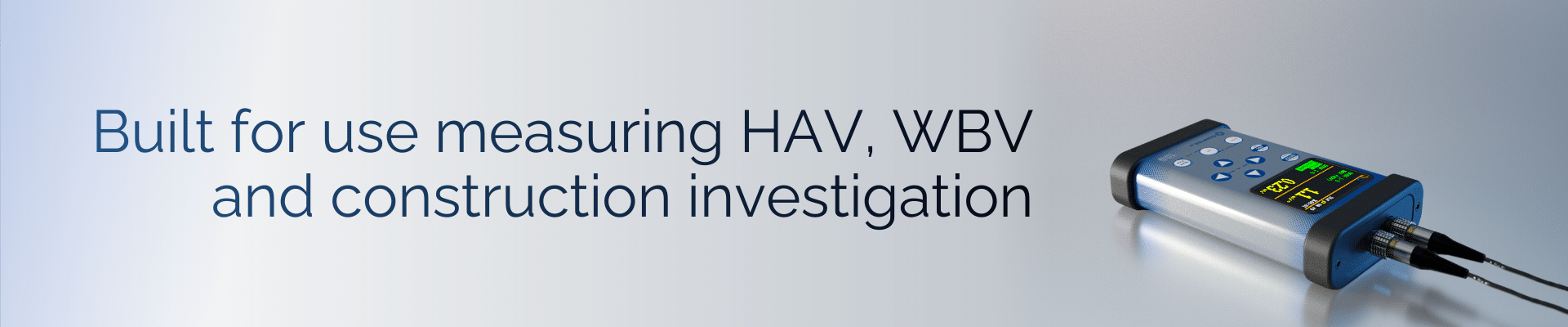
The SV 106D is a six-channel human vibration meter and analyser designed for measuring hand–arm vibration (HAV) and whole-body vibration (WBV).
It also meets the requirements of SIO 8041-1:2017, which is essentially an international standard that ensures consistency in human vibration meters through specific performance, tolerance limits, and calibration requirements.
The 106D is also used in accordance with other regulations, such as:
- ISO 5349 (hand–arm vibration)
- ISO 2631 (whole-body vibration)
- European Directive 2002/44/EC
In simple terms, the SV 106D measures how vibration from tools, machinery, or vehicles is transmitted into the human body, allowing exposure to be assessed against legal action and limit values.
However, despite its capabilities, the 106 is very compact and portable, making it ideal for daily site work, rather than just laboratory work.
The Main Features of the SV 106D
The SV 106D is built around features that support compliance, risk assessment, and prevention. Some of these features are:
- Real-time exposure calculations, including A(8), VDV, RMS, and time to EAV/ELV
- Six measurement channels, supporting complex vibration assessments
- Wide frequency range, including low-frequency vibration down to 0.1 Hz
- Optional 1/3 octave analysis and WAV recording for detailed investigation
- Long battery life, running up to 16 hours on 2 AA batteries
But Where Can You Use It?
The SV 106D is used across a wide range of industries where vibration exposure is a concern. Construction, engineering, farming etc.
Hand Arm Vibration
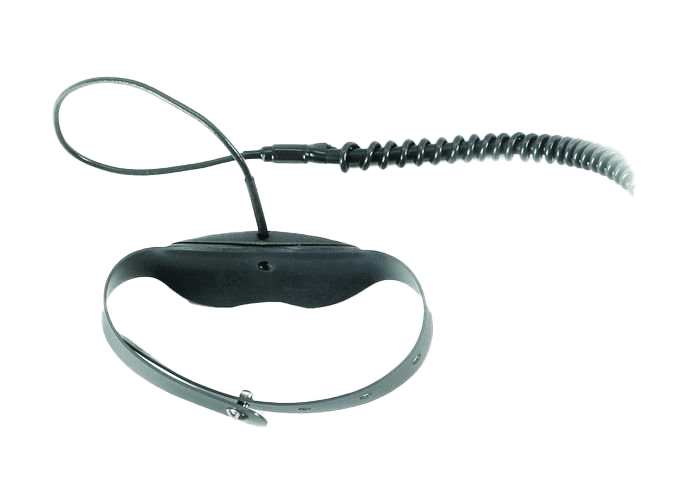
It connects to our SV 105 hand monitor, to maintain consistent vibration level monitoring of:
- Measurement directly at the tool handle or hand
- Assessment of daily exposure for HAVS prevention
- Monitoring use of grinders, breakers, drills, and other hand-held tools
Whole-Body Vibration
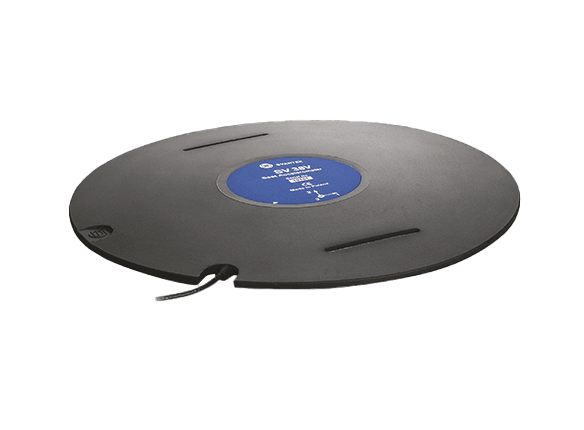
The 106D can also connect to a SV 38V seat pad, allowing it to measure the entire body’s vibration exposure:
- Measurement at the seat, floor, or backrest
- Common in vehicles, plant machinery, and mobile equipment
- Supports both RMS and VDV-based assessments
Construction and Engineering Investigations
Lastly, the 106D can be used in construction and engineering, this is due to its more advanced features that provide regulators high quality data to make decisions on staff safety.
- Peak Particle Velocity (PPV) measurements
- Time-history logging and waveform recording
- Frequency analysis to understand vibration sources
This makes the SV 106D suitable for both occupational health assessments and more detailed vibration investigations.
Why 2 Inputs Is So Important
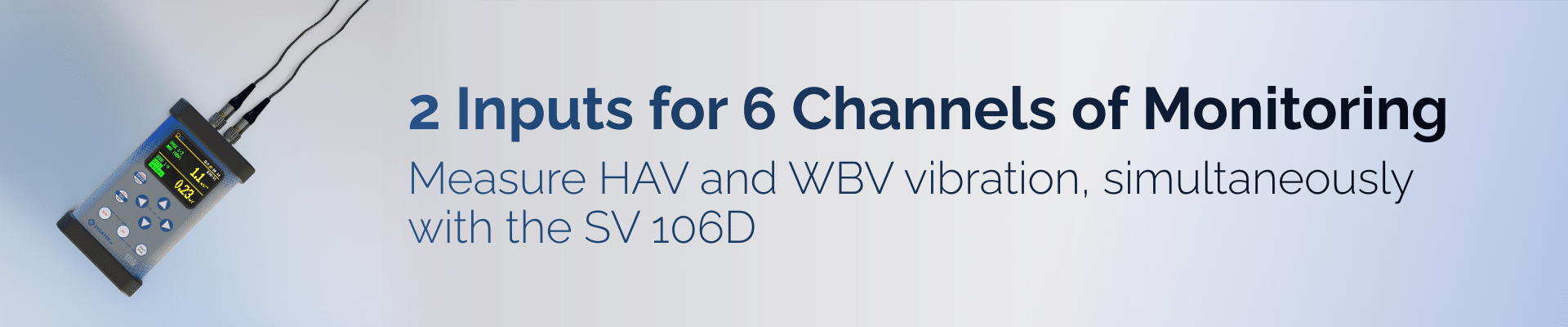
One of the most important design aspects of the SV 106D is its support for two triaxial (3-axis) sensors at the same time.
Vibration acts in multiple directions. Measuring only one axis can significantly underestimate exposure. Triaxial measurements capture vibration in the X, Y, and Z directions, as required by ISO standards.
2 Inputs allows for custom setup of the SV 106D in accordance with your accessories.
This means that you could connect 2 hand arm sensors to monitor both arms, 1 seat and 1 backrest monitor for whole body, or even 1 hand arm monitor and 1 seat and backrest monitor to do both.
This reduces uncertainty, saves time on site, and produces data that more accurately reflects real exposure.
Connecting to Software
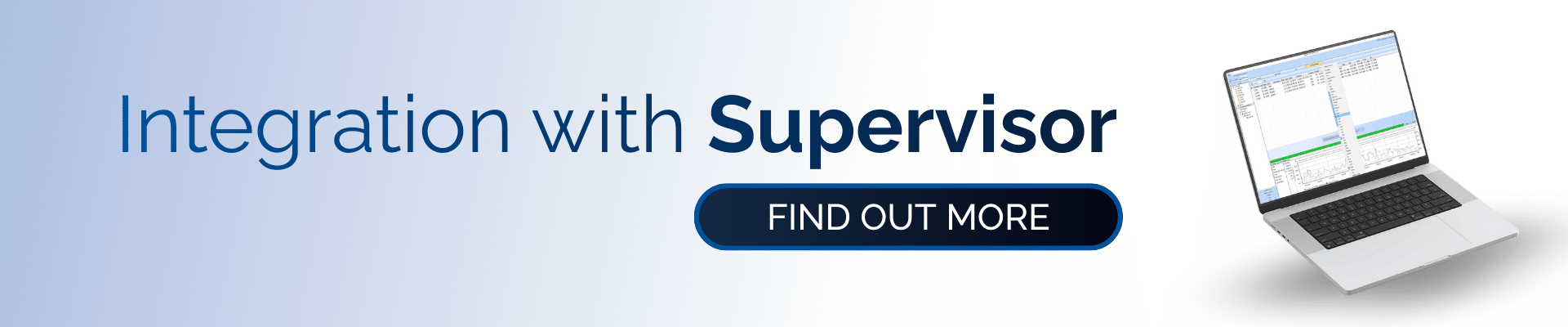
Measurement is only part of vibration management. The real value comes from organising, analysing, and reporting the data, which is where Supervisor and SvanPC++ are used.
Supervisor Software
Supervisor is a program designed specifically for occupation noise and vibration management.
It provides automatic recognition and configuration of connected instruments, clear organisation of measurements by user, task or instrument as well as powerful tools for analysis and reporting.
Supervisor Lite is also available for users who want a simpler interface without losing core functionality.
SvanPC++
SvanPC++ is used for more advanced post-processing and analysis.
It focuses on more detailed reports, with detailed waveform and frequency analysis, 1/3 octave and FFT analysis, comparison of results against reference data and custom reporting using Word-based templates.
For users who need deeper investigation or long-term data analysis, SvanPC++ adds flexibility beyond routine compliance checks.
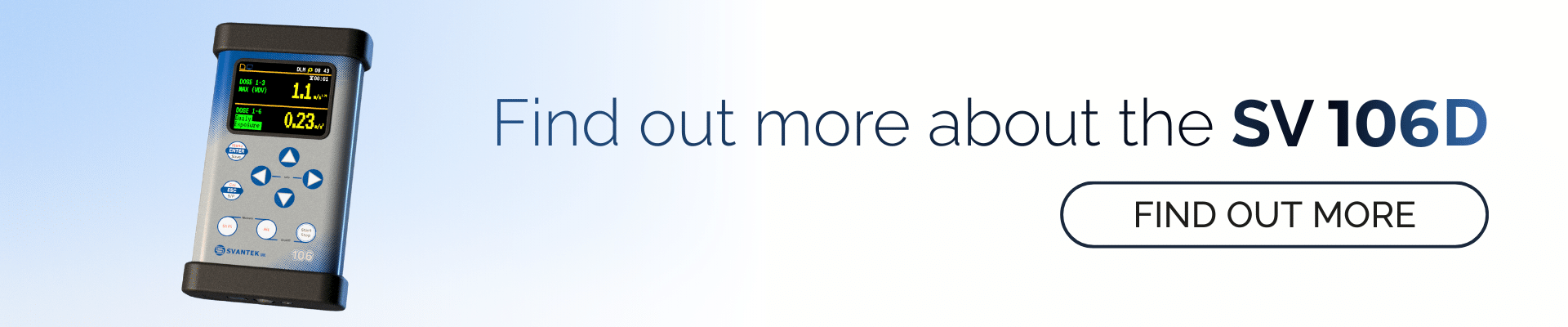
The SV 106D is designed for professionals who need to conduct reliable, accurate vibration measurements.
Its ability to handle both hand–arm and whole-body vibration, combined with dual triaxial inputs and dedicated software, makes it a practical tool for managing HAVS and WBV risk in real working environments.
Accurate measurement, clear reporting, and early intervention remain the most effective ways to prevent long-term vibration-related injury.
Find out more about the SV106D on our website