
What is LMAX?
LMAX, or Maximum Sound Level, is the highest averaged sound pressure level recorded during a measurement period, based on a selected time weighting (like Fast or Slow).
It tells you how loud the noisiest moment was, not the instantaneous peak, but the loudest value that’s been smoothed over a short period.
LMAX is commonly used in noise assessments for workplaces, events, and construction sites where understanding the most disruptive or hazardous noise levels is essential. It’s especially important when comparing against regulatory limits or guidelines.
In this video, we explain how LMAX is different from LPeak, why time-weighting matters, and where LMAX fits in acoustic monitoring. Want more straightforward explanations of technical terms?
Check out the AcSoft Knowledge Hub, packed with expert insights, FAQs, and practical resources for noise and vibration monitoring.
Related Products
Related to products in Noise Measurement
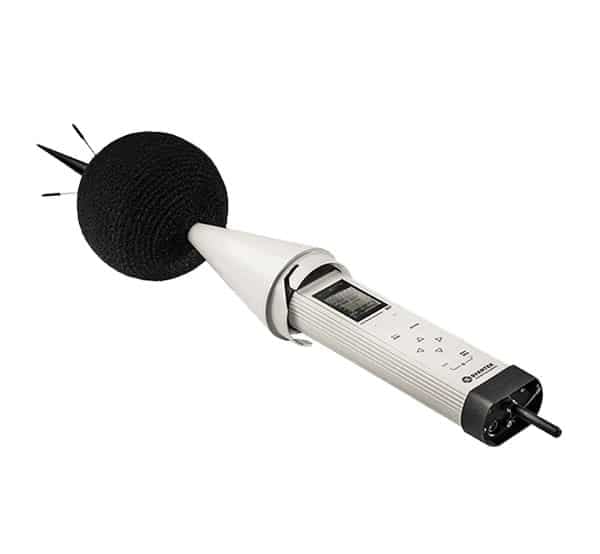
SV 307A Outdoor Noise Monitoring Station
The SV307A is the newest version of the all-in-one noise monitoring station based on a patented MEMS microphones technology covered by a life-time warranty.
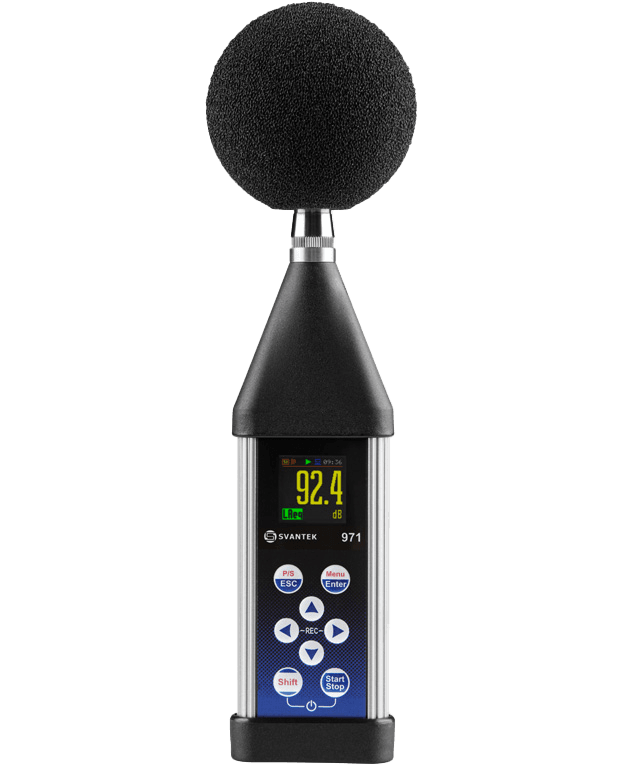
SV 971A Class 1 Sound Level Meter
The new SV 971A Class 1 Sound Level Meter has been designed for both occupational noise and building acoustics measurements.

SV 104A Personal Noise Dosimeter
The SV 104A is a personal noise dosimeter with a Bluetooth® communication supported by the Smartphone application called Assistant. For measurements of noise at work in…

SV 303 Class 1 Urban Noise Monitoring Terminal
The SV 303 is a state-of-the-art Noise Monitoring Terminal designed to revolutionise urban noise management in smart cities