

Soundcam Mikado Acoustic Camera

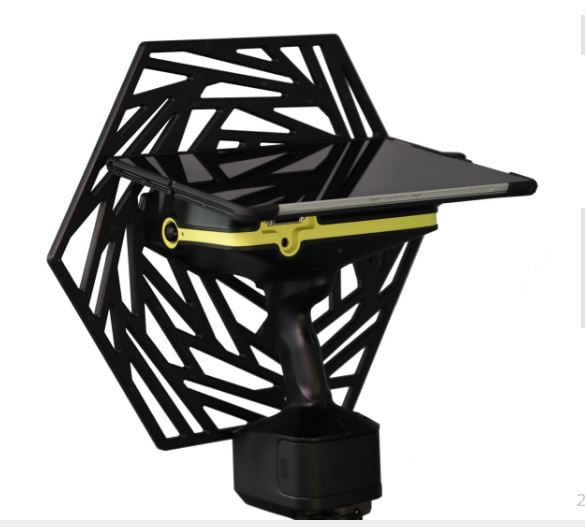
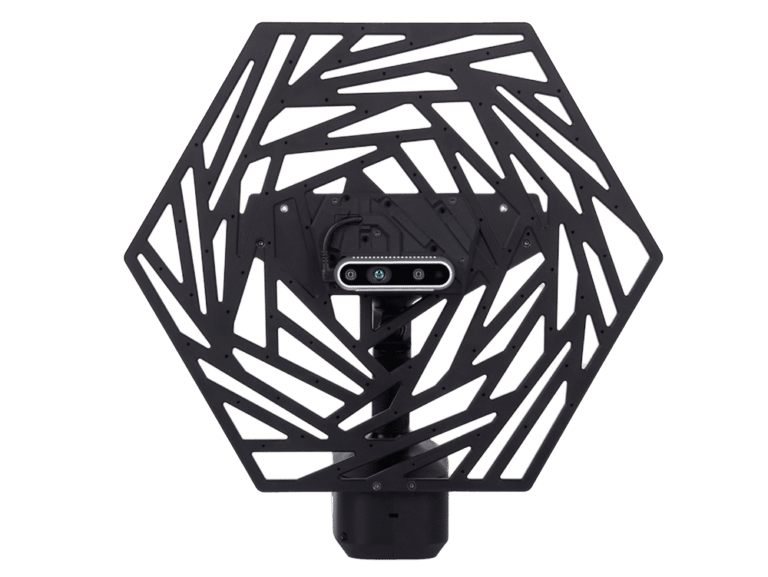
The SoundCam Mikado Acoustic Camera is a portable system for locating and investigating noise sources in machinery, components and finished products. Its 96-microphone array combines acoustic measurements with camera images, helping engineers see where sound is coming from.

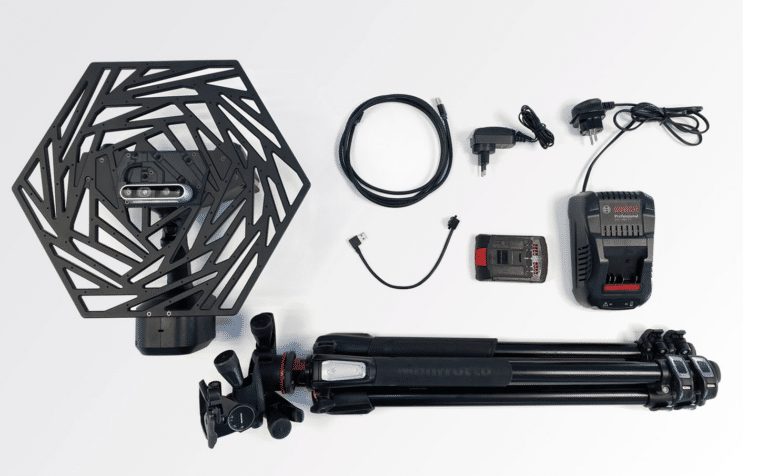
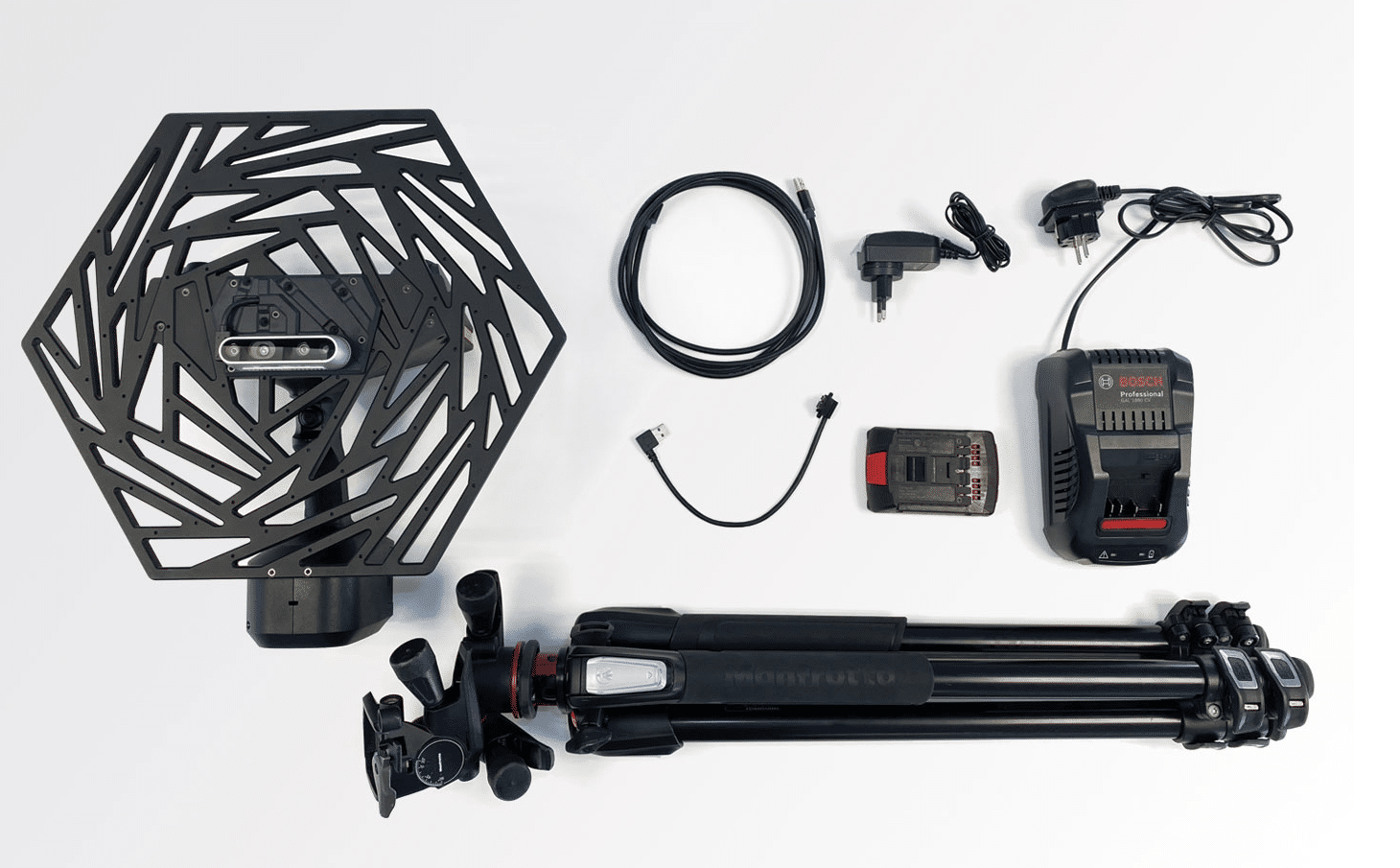
With onboard data acquisition, a Microsoft Surface Pro tablet and NoiseImage Mobile software, Mikado supports measurement and analysis directly at the test location. Its battery-powered design allows users to investigate sound sources from different positions and angles.

Interested

For more information on Soundcam Mikado Acoustic Camera or to request a quote, contact our team now:

Microphone Array

Randomised and algorithmically optimised distribution of microphone positions ensure high dynamics. Therefore, 96 digital MEMS microphones are distributed over a 35 cm diameter surface.

Data Acquisition

On-board data acquisition is provided via the brand new DMC402L data recorder, developed by gfai tech in Berlin.

Sound Analysis

Your data can be analysed in real-time, right on the spot: NoiseImage Mobile running on a Microsoft Surface Pro tablet allows efficient data recording and evaluation. For further analysis, your data can be transferred onto a workstation running NoiseImage4.

Power

In battery powered mode this Acoustic Camera will run for up to three hours on one battery.

Practical features such as the touchpad and the trigger button on the handle ensure fast localisation and documentation of the sound sources. This guarantees ease of use while in the field. Time and effort are further reduced as Mikado comes in a practical carry-case, all set up and ready to go. This device ensures good results for any Acoustic Camera user – and turns beginners into experts.

Array-body dimensions40 x 40 x 18 cm (without Microsoft ® Surface)
40 x 40 x 27 cm (with Microsoft ® Surface)
Weight2.2 kg (4.1 kg incl. batt ery and Microsoft ® Surface)
Video CameraIntel® RealSense™ Depth Camera D435 opening angle 77°
Resolution1920 x 1080 (Full HD)
Sampling Rate48kS/s
MicrophonesMEMS (Knowles)
Frequency response10 Hz – 24 kHz
100 Hz – 5 kHz (< 0.5 dB)
100 Hz – 11 kHz (< 3 dB)
Max. sound pressure level121 dB at 10% THD
Noise level30 dB(A)
Sensitivity (1 kHz, 94 dB SPL)-26 dBFS
Channels96
Recommended measurement distance> 0.3 m (beamforming)
< 0.15 m (acoustic holography)
Acoustic maps from …9 dB – 120 dB
Recommended mapping frequencies514 Hz – 24 kHz (beamforming)
30 Hz – 2 kHz with near field (acoustic holography)
Dynamic range
(Distance to the source: 1 m;
calculation points: 90,000)
15 dB – 27 dB, up to 50 dB with
Advanced Algorithms
Ingress protection codeIP40
Operating environment0 °C – 35 °C, up to 80 % RH (handheld operation)
-10 °C – 45 °C, up to 80 % RH (desktop operation)

Find the Source of Unwanted Noise

When several components operate together, listening alone may not reveal which part is responsible for an unwanted sound. Mikado’s acoustic maps help engineers identify areas that need closer investigation.

Typical applications include:

  • Investigating noise from machinery and industrial equipment
  • Locating unwanted sounds in household appliances
  • Comparing components and prototype designs
  • Supporting fault diagnosis and acoustic troubleshooting

Visualising sound sources helps teams focus their investigation before deciding which design changes or maintenance actions to evaluate.
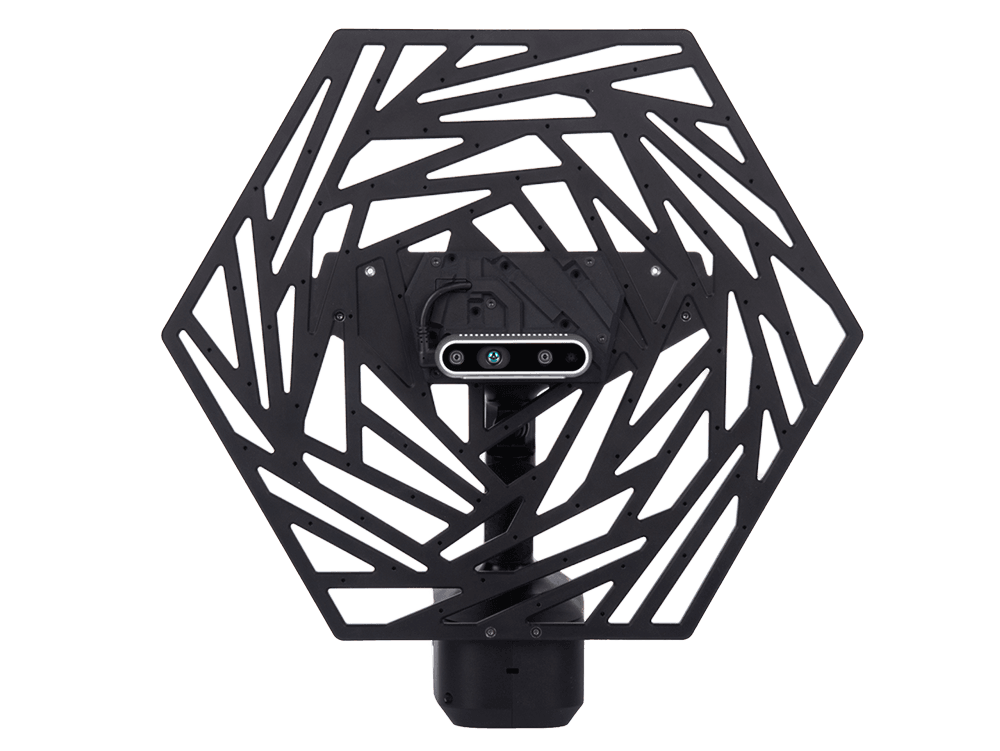
Mikado Acoustic Camera

Support Product Development and Noise Reduction

Acoustic imaging can help engineers understand how different parts of a product contribute to its overall sound. This is useful when investigating operating noise, comparing designs or evaluating a modification.

For meaningful comparisons, measurements should use consistent operating conditions, positions and analysis settings. Recording these details alongside the acoustic results helps teams assess whether a change has addressed the original noise source.

Explore how acoustic measurement supports R&D and production.

Analyse Results on Site and in the Office

NoiseImage Mobile allows users to record and evaluate measurements on the integrated tablet. Data can then be transferred to a workstation running NoiseImage4 for further analysis.

This connects initial troubleshooting with more detailed investigation, allowing engineers to retain measurements for subsequent review.

To discuss your sound source, measurement environment and analysis requirements, contact AcSoft. Our team can help you compare Mikado with other acoustic imaging solutions.