Choosing Air Quality Monitoring Equipment
Selecting an air quality monitoring system starts with understanding what you need to measure and how the results will be used.
Consider the following when planning your monitoring:
- Target pollutants: particulate matter such as PM₂.₅ and PM₁₀, or specific gases.
- Monitoring purpose: local environmental conditions and site-boundary monitoring.
- Deployment: the number of locations, project duration, power supply and connectivity.
- Data requirements: how frequently measurements are needed and who requires access.
- Performance requirements: the measurement method, accuracy and any certification specified for the project.
Environmental monitoring and personal exposure assessment require different approaches. Equipment should be selected for the intended task rather than assuming one monitor covers every application.
Local Air Quality Monitoring with Airly
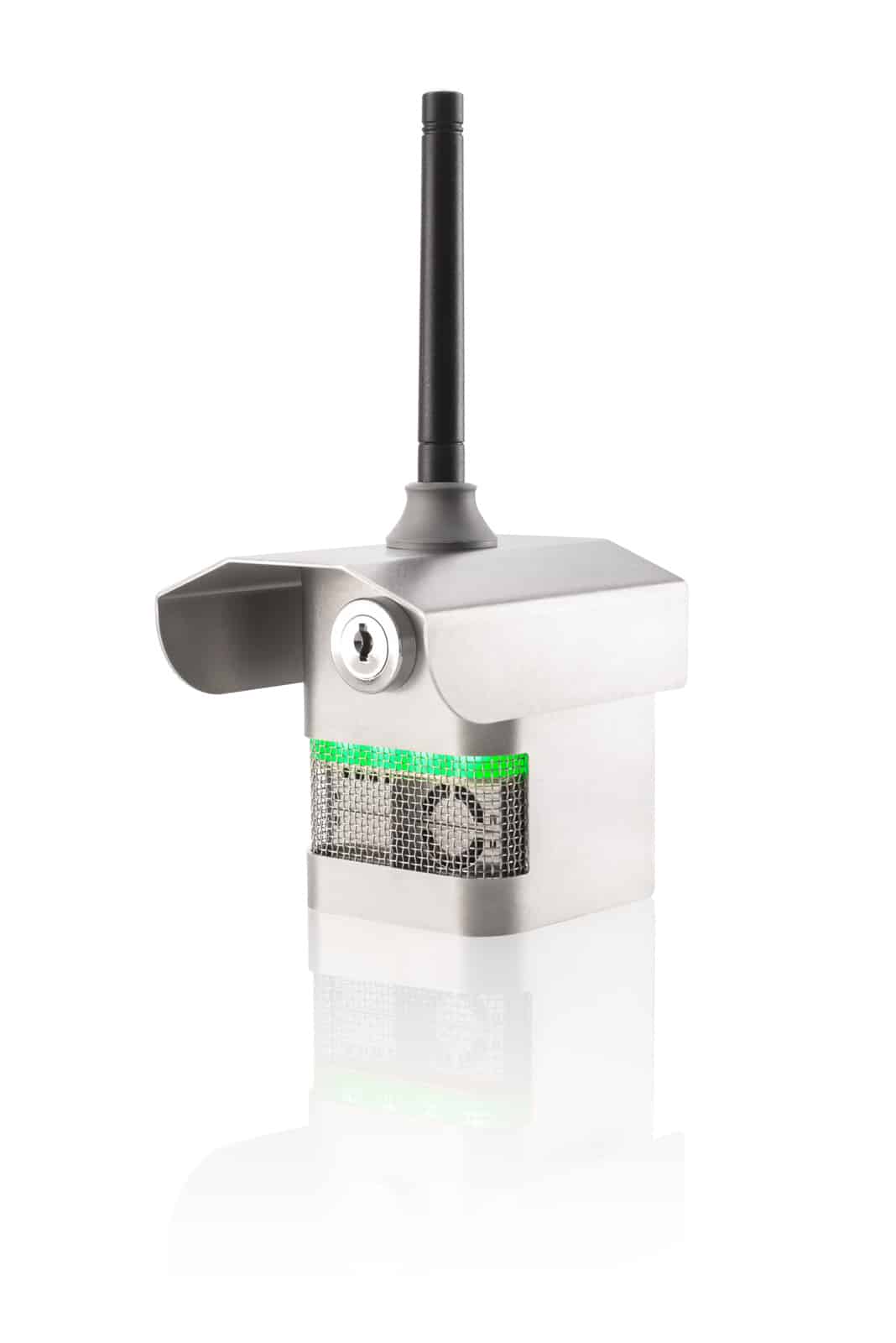
Airly Pure measures PM₁, PM₂.₅ and PM₁₀ alongside temperature, humidity and atmospheric pressure. Gas measurements depend on the sensor configuration selected.
Explore our Airly monitoring systems or ask our team which configuration suits your application.
Turn Monitoring Data into Useful Information
A monitoring plan should establish where instruments will be installed, how measurements will be reviewed and what action may follow changes in recorded levels.
Consistent records help teams compare locations and identify patterns over time. Installation, maintenance and data interpretation should reflect the equipment’s operating requirements and the purpose of the assessment.
Discuss Your Air Quality Monitoring Project
Tell us what you need to measure, where the equipment will operate and how long monitoring is required. Include any specified measurement methods, certification or reporting needs.
Contact AcSoft for help selecting suitable air quality monitoring equipment.
View our full air quality monitoring equipment range.