
Pascals vs Decibels
We explain how Pascals relate to decibels, why the conversion is needed, and how the dB scale makes it easier to compare sounds across environments.
Pascals vs Decibels – what’s the difference? Sound pressure itself is measured in Pascals — a unit of physical pressure. But because the range of pressures we can hear is so huge, from 20 micropascals to over 100 Pascals, acoustics uses a logarithmic scale to make those numbers more practical. That’s where decibels (dB) come in. Decibels express the ratio of a measured sound pressure to a reference value of 20 micropascals — the quietest sound the average human ear can hear. This lets us describe sound levels in manageable numbers, from 30 dB in a quiet room to 120 dB near a jet engine.
In this video, we explain how Pascals relate to decibels, why the conversion is needed, and how the dB scale makes it easier to compare sounds across environments. Want to learn more about sound measurement terms?
Visit the AcSoft Knowledge Hub, full of FAQs, how-tos, and practical insight into noise and vibration monitoring.
Related Products
Related to products in Noise Measurement
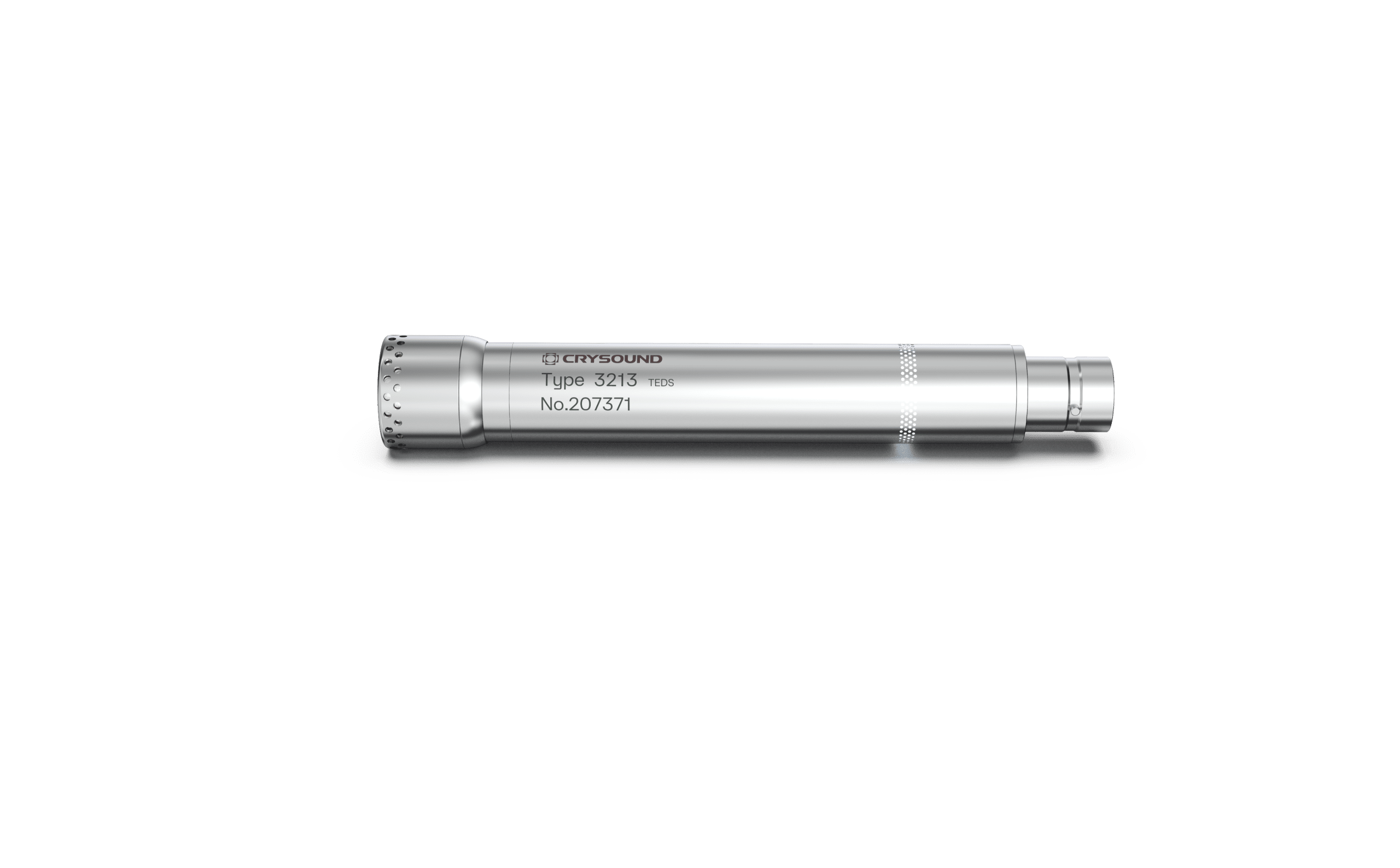
CRY3213 Ruggedised Measurement Microphone Set
The CRY3213 Measurement Microphone Set is a high-precision free-field microphone engineered for demanding NVH, environmental, and aerospace testing where accuracy, stability, and durability are critical.…

CRY3201-S01 Measurement Microphone Set
CRY3201-S01 is a 1/2-inch free-field prepolarized measurement microphone and preamplifier set, specifically designed for high-frequency and high dynamic range acoustic measurements.
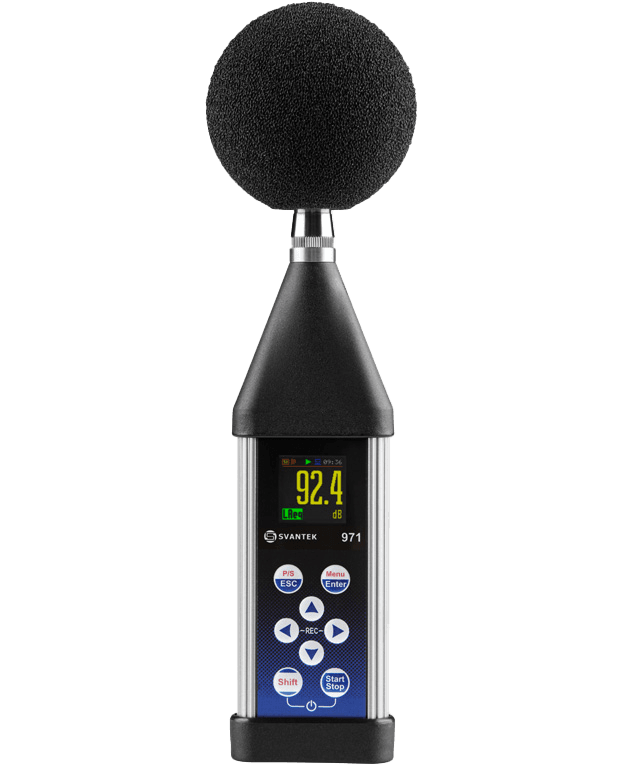
SV 971A Class 1 Sound Level Meter
The new SV 971A Class 1 Sound Level Meter has been designed for both occupational noise and building acoustics measurements.
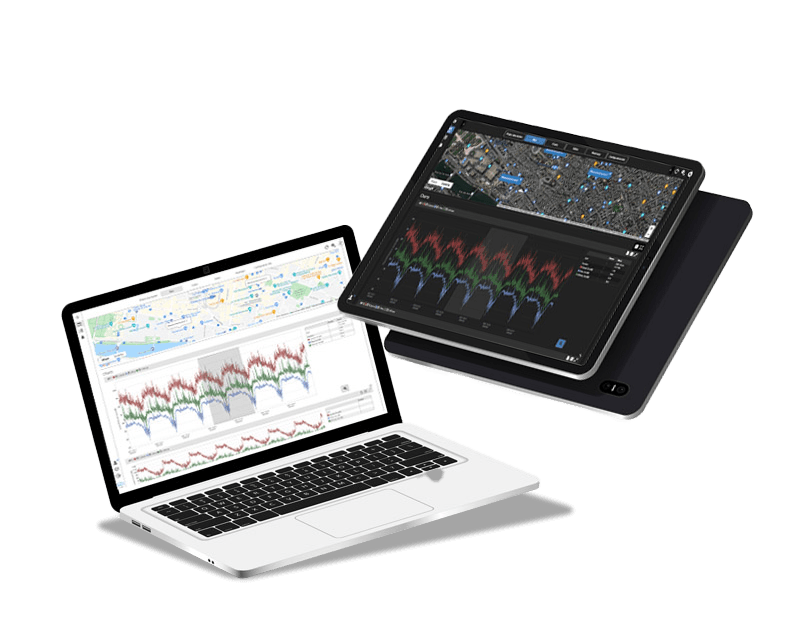
SvanNET Cloud Monitoring Service
SvanNET Automatic Monitoring Services is an online solution that supports multi-point connection with Svantek’s noise & vibration monitoring stations including SV 307A, SV 200A, SV 803 and…