

What is Particle Velocity?
Particle velocity describes the back-and-forth motion of air particles when a sound wave passes through.
What is Particle Velocity in acoustics? Particle velocity describes the back-and-forth motion of air particles when a sound wave passes through. Instead of looking at pressure alone, it focuses on how fast and how far the particles move. It’s closely linked with sound pressure, but not the same thing.
While sound pressure is measured in Pascals, particle velocity is measured in metres per second. Together, they give us a clearer picture of how sound behaves in a space. Particle velocity is especially important in near-field measurements, sound intensity studies, and when assessing how energy flows in a sound field.
In this video, we explain what particle velocity is, how it differs from sound pressure, and why it’s a useful parameter in acoustics.
Want to learn more about sound measurement terms? Visit the AcSoft Knowledge Hub, full of FAQs, how-tos, and practical insight into noise and vibration monitoring.
Related Products
Related to products in Noise Measurement
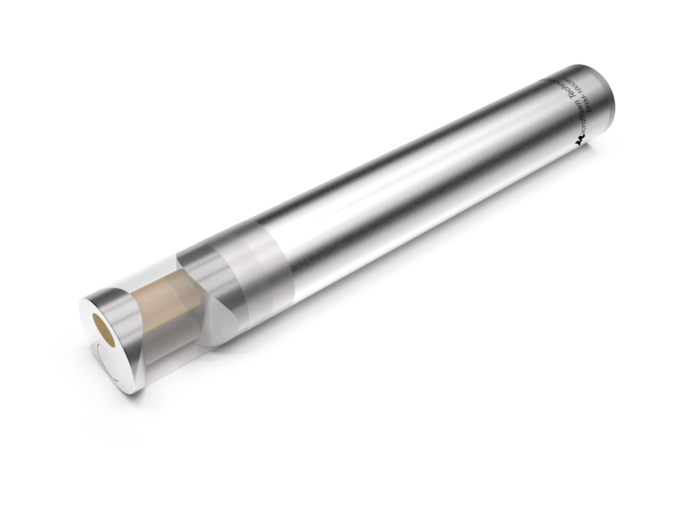
PU Regular Particle Velocity Probe
The PU Regular is the world’s first probe to measure sound pressure and particle velocity physically at the same point. Give your product an edge…
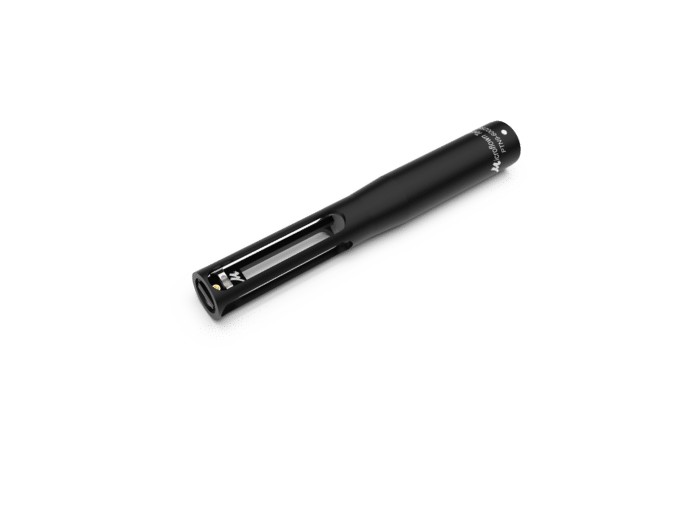
PU Match Probe
The PU Match, the smallest and the newest addition to the PU family is packed with all the abilities of the PU Regular to measure…
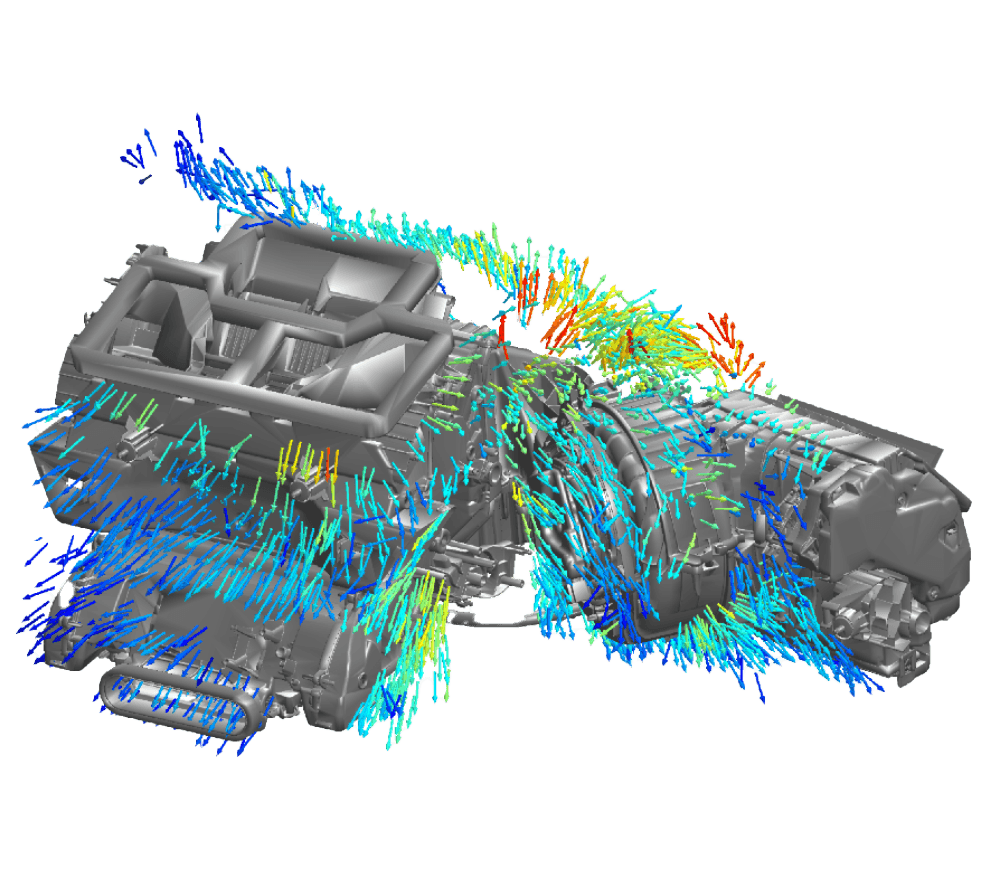
Scan&Paint 3D
A unique tool for acoustic troubleshooting and sound source localisation, allowing you to visualise what you hear. It makes complex problems simple and easy to…
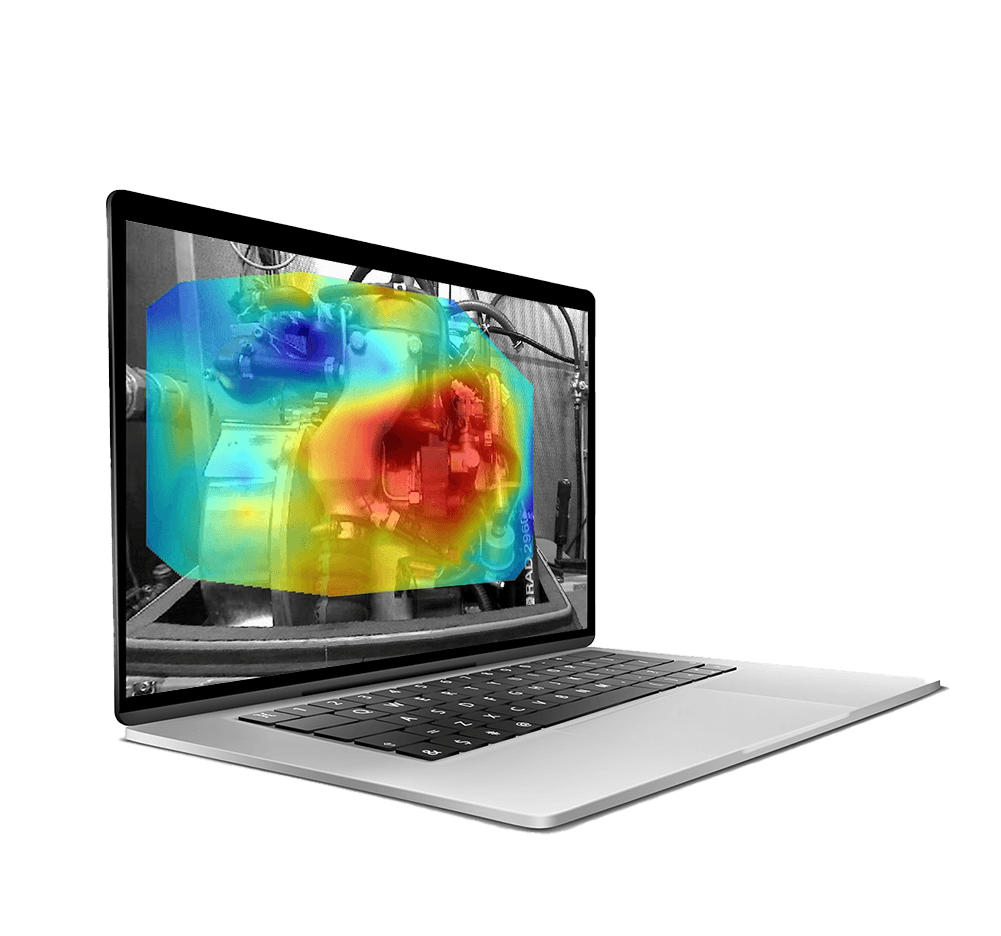
Scan & Paint 2D
Scan&Paint 2D is a tool to visualise stationary sound fields with an unmatched spatial resolution in full acoustic bandwidth. The system is a superb engineering…