
What is Dynamic Range
Dynamic range is the span between the quietest and loudest sounds a microphone or sound level meter can measure accurately.
Go below it, and the signal gets lost in noise. Go above it, and distortion kicks in.
It’s defined by two limits: the noise floor (the lowest measurable level) and the overload point (the highest level before distortion). A wider dynamic range means a system can capture subtle details and handle powerful sounds without clipping.
In this video, we explain how dynamic range works, what sets the limits in microphones and measurement systems, and why it’s crucial for reliable acoustic data.
Want to learn more about sound measurement terms? Visit the AcSoft Knowledge Hub, full of FAQs, how-tos, and practical insight into noise and vibration monitoring.
Related Products
Related to products in Noise Measurement

CRY3201-S01 Measurement Microphone Set
CRY3201-S01 is a 1/2-inch free-field prepolarized measurement microphone and preamplifier set, specifically designed for high-frequency and high dynamic range acoustic measurements.
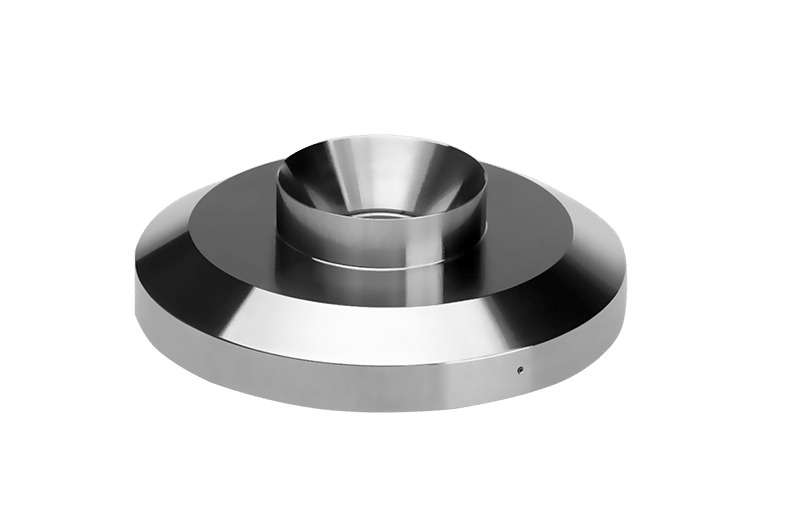
CRY318 Ear Simulator Set
The CRY318 ear simulator is a type of human ear simulator that simulates the average human ear impedance.
.28.png)
CRY3202-S02 Measurement Microphone Set
The CRY3202-S02 is a 1/2-inch pressure-field prepolarized measurement microphone and preamplifier set designed to be used in conjunction with a coupler chamber for conducting relevant…
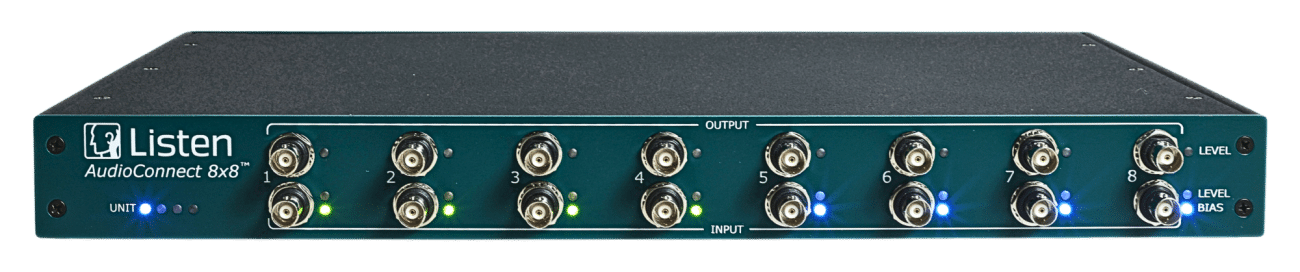
AudioConnect™ 8×8
AudioConnect 8×8 is Listen’s first 8-in, 8-out audio measurement interface. Designed specifically for precision audio measurements, it delivers high-resolution performance and ease of use –…