
Why is this important?
Typically, original air quality monitoring relied on large and expensive monitoring stations that often only provided the measurements for a wide region. The data provided was often intermittent, it would only show daily if not weekly. While this was effective data, the systems would require regular maintenance, often becoming quite costly. It also meant it was difficult to understand how air quality changes across various streets, buildings and indoor spaces as it could only monitor a certain radius.
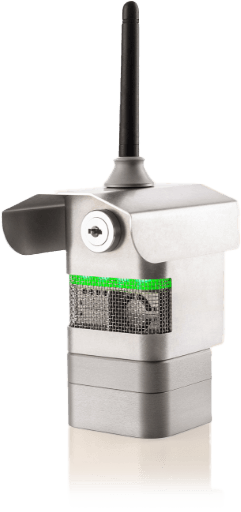
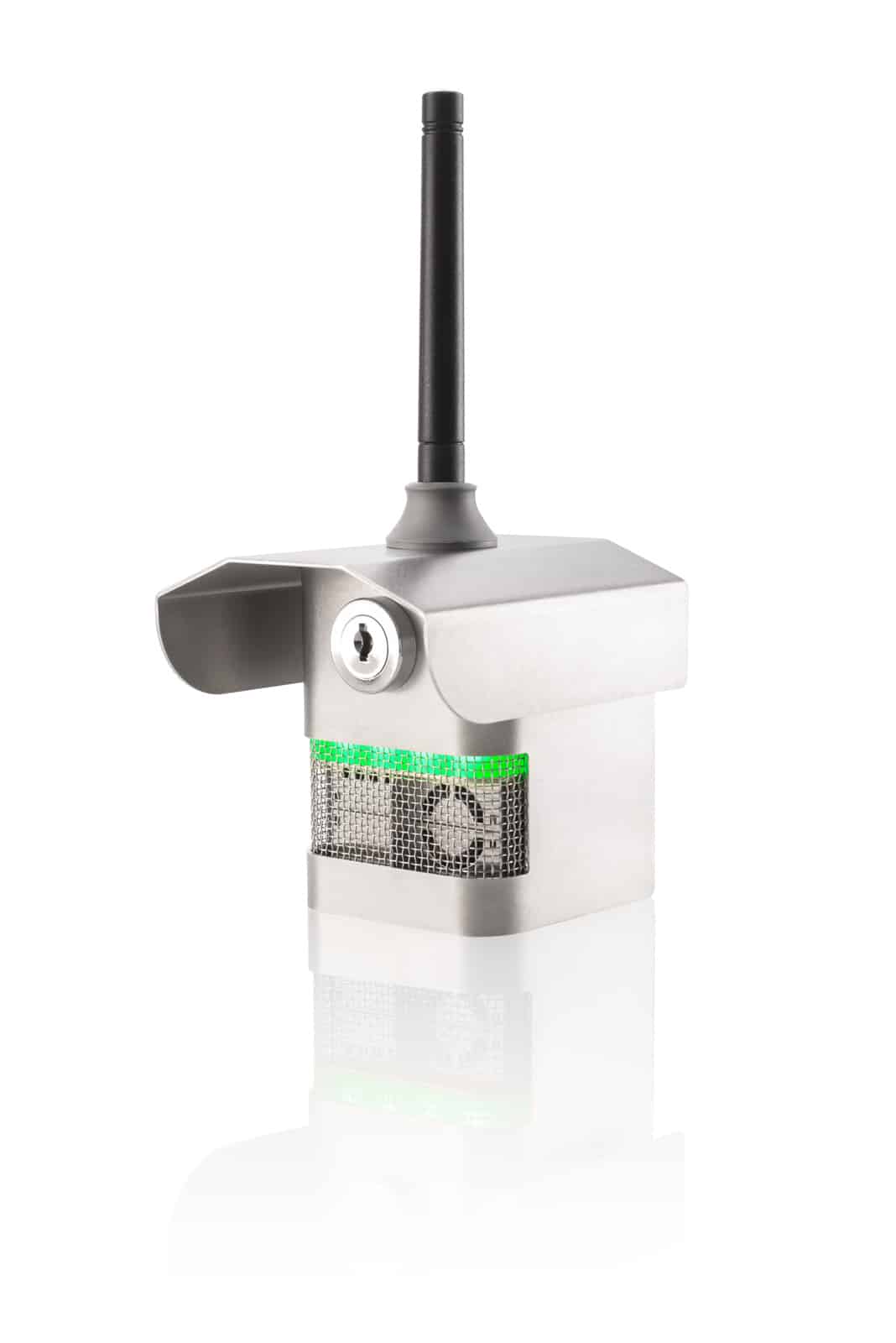
As monitoring needs have become more extensive, technology has had to adapt. Sensors have become smaller, more cost effective and easier to use. From large, bulky and heavy monitoring units, to accurate, compact and versatile units the size of a phone, these changes have drastically reduced the complexity of air quality monitoring; it has made installation significantly cheaper all while not compromising the data quality but improving the delivery of real-time data as it happens.

What will you learn?
In the webinar, Wiktor will discuss how evolved sensors such as the Airly Pure and Airly Aura are helping companies to move beyond the traditional air quality monitoring approach, allowing them to have access to hyper-local real-time data accurate to the second, compared to the conventional data that shows daily and weekly updates.
You’ll discover how sensors a fraction of the traditional cost is changing the industry with rapid deployment, hyperlocal data collection, identification of polluted areas and overall continuous monitoring of environmental conditions.