

What is Polarisation in Microphones?
Polarisation is the electrical charge applied to a microphone’s diaphragm to make it sensitive to sound.
Without it, the diaphragm wouldn’t respond properly to pressure changes in the air. There are two main types: externally polarised microphones, which need a 200-volt supply from specialised equipment, and pre-polarised microphones, which have a permanent charge built in.
Pre-polarised designs are more convenient for portable gear, while externally polarised mics are often preferred in lab settings for their long-term stability. In this video, we explain what polarisation means, the difference between the two types, and why it matters when choosing the right microphone for your measurements.
Want to learn more about sound measurement terms? Visit the AcSoft Knowledge Hub, full of FAQs, how-tos, and practical insight into noise and vibration monitoring.
Related Products
Related to products in Noise Measurement

CRY3101-S01 Measurement Microphone Set
The CRY3101-S01 is a 1-inch free-field prepolarized measurement microphone and preamplifier set, specifically designed for sensitive acoustic testing in low-noise environments such as anechoic chambers…

CRY3261-S01 Measurement Microphone Set
The CRY3261-S01 is a 1/2-inch free-field prepolarized measurement microphone and preamplifier set widely used in acoustic testing environments such as anechoic chambers and quiet rooms.

CRY3201-S01 Measurement Microphone Set
CRY3201-S01 is a 1/2-inch free-field prepolarized measurement microphone and preamplifier set, specifically designed for high-frequency and high dynamic range acoustic measurements.
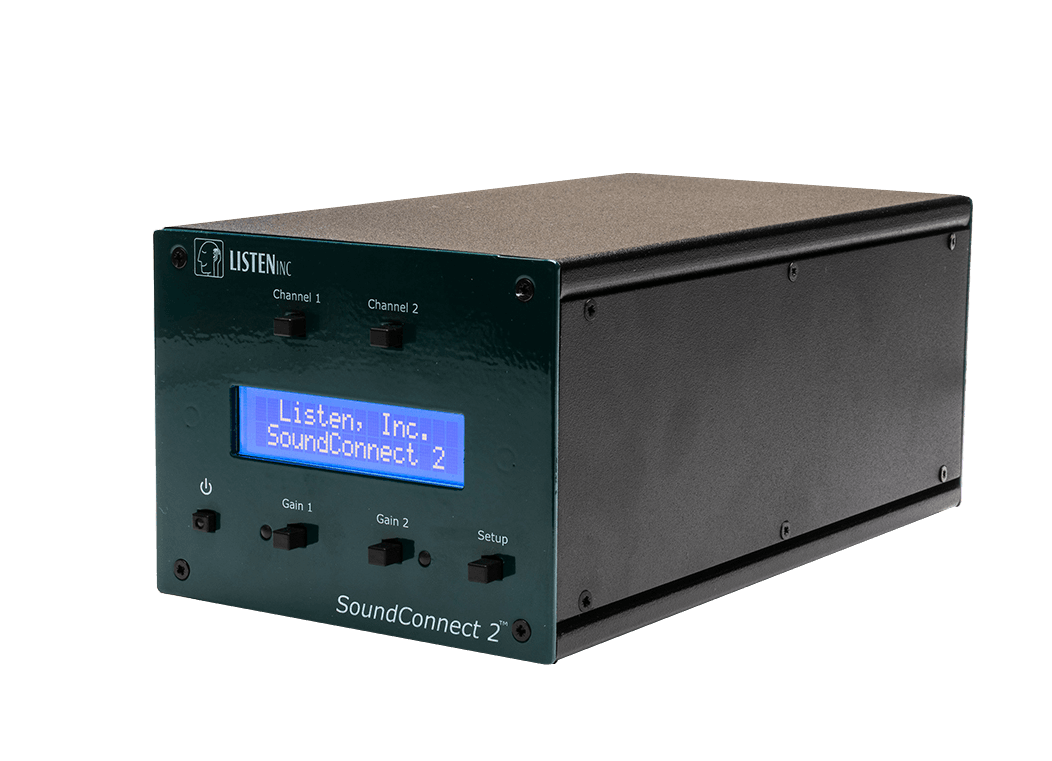
SoundConnect 2 Mic Power Supply
SoundConnect 2 is a compact and rugged USB controlled microphone power supply and conditioning amplifier. It can power either one or two microphones, so it…